

Why Your SaaS Stack Needs an AI‑Enhanced Toolchain Right Now
When I first walked into a conference room armed with a whiteboard and a stack of Post‑it notes, I felt like a one‑man orchestra trying to conduct a symphony. Fast‑forward a few years, and the same orchestra is now a remote ensemble spread across continents, each musician wielding a different instrument: a low‑code builder here, an observability dashboard there, a conversational AI assistant somewhere else. The chaos is real, but so is the opportunity.
In the Tools category, the conversation has often revolved around “what should I buy?” or “which platform has the best integrations?” Today, I’m shifting the lens to how we stitch those tools together into a cohesive, AI‑augmented toolchain that learns, adapts, and ultimately does the heavy lifting for us. This isn’t about swapping one spreadsheet for another; it’s about redefining the very workflow DNA of modern SaaS teams.
From Disparate Apps to a Living Ecosystem
Most SaaS organizations start with a patchwork of point solutions: a ticketing system, a CI/CD pipeline, a CRM, a analytics suite, and a handful of niche utilities. Each tool does its job well, but the hand‑off between them is often manual, error‑prone, and frustratingly slow. The result? Context switching fatigue and a hidden cost that rarely shows up on the balance sheet.
Enter the AI‑enhanced toolchain. Think of it as a nervous system for your software stack—sensing, processing, and reacting in real time. The AI layer watches the flow of data, predicts bottlenecks, and automates mundane steps before a human even notices the friction.
Core Pillars of an AI‑Powered Toolchain
- Contextual Orchestration: A central orchestrator that knows the state of every connected tool and can trigger actions based on business logic, not just simple “if‑then” rules.
- Intelligent Observability: Unified logs, metrics, and traces that are enriched with AI‑driven anomaly detection and root‑cause suggestions.
- Adaptive Knowledge Base: A living repository that ingests documentation, tickets, and chat logs to surface the right answer at the right moment.
- Proactive Automation: Bots that don’t just follow scripts but evolve based on usage patterns, learning which steps can be safely skipped or combined.
- Human‑in‑the‑Loop Governance: Controls that let you set guardrails, approve high‑risk changes, and audit AI decisions for compliance.
Choosing the Right Building Blocks
Building this ecosystem starts with picking tools that expose robust APIs and support event‑driven architectures. Low‑code integration platforms (think Zapier‑like but enterprise‑grade) are great for quick wins, yet they often lack deep AI capabilities. Conversely, AI‑centric platforms may excel at predictive analytics but require more engineering effort to hook into legacy systems.
My rule of thumb: Start with a “smart” integration layer, then layer AI on top. For example, you can use a platform that offers visual workflow design and then plug in a machine‑learning service that evaluates each step’s success probability. The result is a flow that not only moves data but also self‑optimizes.
Case Study: Reducing Incident Resolution Time by 40%
One of our customers, a mid‑size SaaS provider, was grappling with a 30‑minute average time‑to‑resolution for production incidents. Their stack included a monitoring tool, a ticketing system, and a Slack channel for alerts. By introducing an AI‑enhanced orchestrator that automatically correlated alert data with recent code changes, the system could suggest the most likely culprit and even draft a rollback plan.
Within weeks, the team saw a 40% reduction in mean time to resolution. The key wasn’t a new monitoring product—it was the intelligence added on top of existing tools, turning raw alerts into actionable insights.
How to Get Started Without Overhauling Everything
Here’s a practical, three‑step roadmap you can adopt:
- Map the Current Flow: Document every hand‑off, trigger, and data exchange. Tools like human‑centric SaaS brand data playbook can help visualize end‑to‑end processes.
- Identify High‑Friction Points: Look for steps that involve manual copy‑pasting, repeated approvals, or frequent errors. Those are low‑hanging fruit for AI augmentation.
- Prototype a Smart Connector: Use a low‑code platform to create a connector that adds a simple AI check—like verifying data consistency or flagging anomalous values. Deploy it in a sandbox, measure impact, then iterate.
Repeat the cycle. Each iteration adds a new “brain” to the chain, gradually evolving a static toolbox into a dynamic, self‑healing ecosystem.
The Role of Generative AI in Tooling
Generative AI isn’t just for writing copy or code snippets; it’s a catalyst for contextual assistance. Imagine a developer opening a pull request and instantly receiving a summary of related tickets, recent performance regressions, and a suggested test suite—generated on the fly. Or a product manager receiving a concise briefing of user sentiment extracted from support tickets, all without leaving their dashboard.
These capabilities hinge on two technical foundations:
- Embedding‑based Retrieval: Converting documents, logs, and messages into vector embeddings that can be queried semantically.
- Prompt Engineering: Crafting prompts that guide the LLM to produce concise, accurate, and actionable outputs.
When paired with your existing toolchain, generative AI becomes the “concierge” that surfaces the right piece of knowledge exactly when you need it, shaving minutes—or even hours—off routine tasks.
Balancing Automation with Human Insight
Automation is seductive, but over‑automation can backfire. You’ll encounter scenarios where the AI makes a recommendation that seems plausible but is contextually off. That’s why human‑in‑the‑loop checkpoints remain essential, especially for compliance‑heavy industries.
Design your workflow so that high‑risk decisions trigger a manual review, while low‑risk, repetitive actions are fully automated. Over time, as the AI’s confidence scores improve, you can gradually shift more decisions into the autonomous lane.
Security and Governance in an AI‑Driven Stack
Integrating AI across tools raises valid concerns around data privacy, model drift, and auditability. Here are three guardrails you should enforce from day one:
- Data Minimization: Only feed the AI what it needs—avoid sending entire databases through external APIs.
- Model Versioning: Track which model version produced a given recommendation, enabling rollback if a regression occurs.
- Explainability: Choose AI services that provide confidence scores and rationale, making it easier for teams to trust and verify outputs.
Future‑Proofing Your Toolchain
The tech landscape evolves faster than any single team can keep up. By adopting an AI‑enhanced, modular toolchain, you create a foundation that can absorb new tools without a massive re‑architecting effort. When a new CI/CD platform emerges, you simply plug its webhook into your orchestrator, teach the AI the new event schema, and you’re good to go.
In practice, this means you’ll spend less time “shopping for tools” and more time “solving problems.” Your stack becomes a living platform, capable of learning from every deployment, support ticket, and user interaction.
Wrapping Up: The Competitive Edge of an Intelligent Toolchain
In a market where speed to market and operational efficiency are decisive factors, the teams that invest in an AI‑augmented toolchain will outpace those that rely on manual glue code and siloed apps. The payoff isn’t just faster releases; it’s a deeper alignment between product, engineering, and customer success—driven by data, empowered by AI, and governed by human insight.
If you’re still stuck toggling between spreadsheets and Slack messages, consider this your invitation to start the transition. Map, automate, augment, and watch your SaaS organization evolve from a collection of tools into a single, intelligent engine of growth.

Jimmy Stewart is a content creator that gets inspired by many aspects of life, internet or whatever inspires him at that moment. When he's not online he's gaming and when he is not gaming he is online trolling discussion boards.
Related Posts
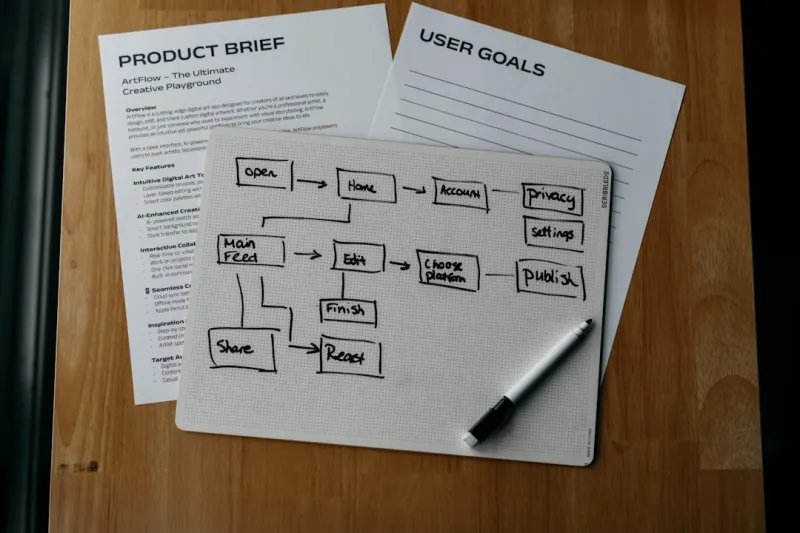
Trending Tools That Are Redefining Sustainable Workflows in 2026
Explore the latest sustainable tools reshaping digital workflows in 2026, from eco‑optimized plugi... Read More

Micro‑Integrations: The Tiny Tools Driving Massive Business Wins
Micro‑integrations let companies stitch together specialized, lightweight tools via APIs and event... Read More
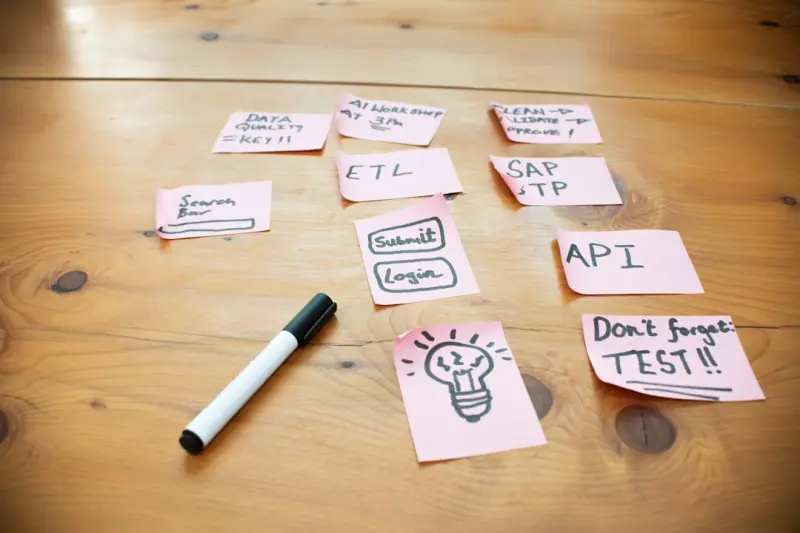
Turning Your SaaS Toolbox into an Agile Experiment Lab
A step‑by‑step guide to re‑imagining your SaaS stack as a living lab, with practical tactics f... Read More
Top Posts

Cleaning Green: How Small Swaps Can Revolutionize Your Home's Health
Explore how simple changes—like reusable tools, DIY cleaners, and smart habits—can transform your cleaning routine into a sustainable, health‑boosting pra...Read More

Navigating the New Travel Ecosystem: From Hyper‑Local Data to Digital Nomad Hubs
Discover the emerging travel ecosystem where hyper‑local data, community‑driven recommendations, and smart nomad hubs blend to create personalized, safe, an...Read More

Strategic Networking for the Hybrid Era: Turning Connections into Opportunities
Learn how intentional networking, trust‑first digital presence, and micro‑communities can transform your professional connections into lasting opportunities...Read More

Tech Meets Sustainability: Trends Shaping 2024
Mei Chen reveals how emerging tech—from AI‑driven energy grids to sustainable gaming—are reshaping our digital world, offering actionable steps for a gree...Read More
0 Comments
Post Comment
You will need to Login or Register to comment on this post!