
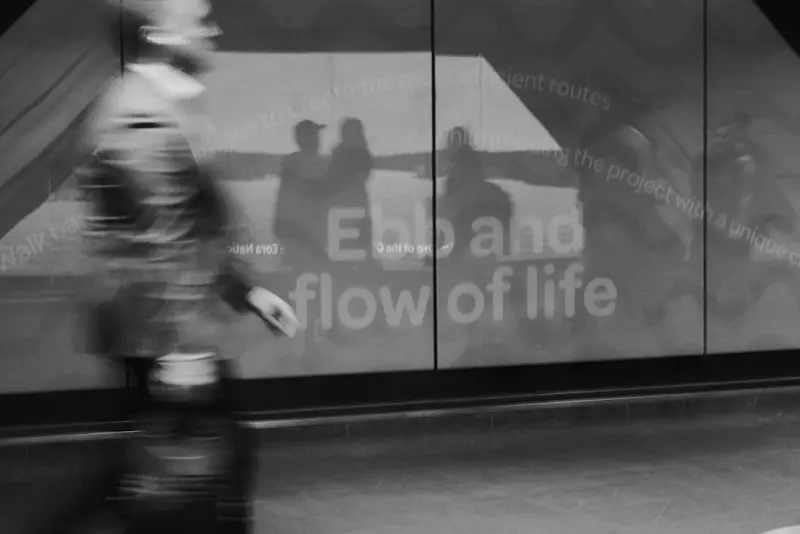
When Borders Blur: How Digital Nomads are Redefining Urban Life
It feels like I’m living in a world where the concept of “home” is no longer a static address but a fluid collection of cafés, co‑working spaces, and rooftop terraces. Over the past few years I’ve watched friends trade nine‑to‑five office desks for passport stamps, and I’ve felt the ripple of that shift in the very streets where I walk. The rise of digital nomads isn’t just a tech trend; it’s a societal transformation that rewrites how we think about community, culture, and the economics of the cities we love.
The Migration of Work from Cubicles to Coastlines
When I first heard the term “digital nomad,” I imagined a lone traveler with a laptop perched on a beach. The reality is richer, messier, and far more communal. Professionals from software development to marketing are swapping corporate headquarters for shared apartments in Lisbon, bamboo‑filled work pods in Chiang Chiang, and art‑laden lofts in Medellín. The allure is simple: flexibility. Yet the pull is also social. People are seeking environments where the line between work and life feels intentional rather than imposed.
One of the most striking patterns is the emergence of micro‑communities within these nomadic clusters. A group of data scientists in Bali might meet every Friday for a “code‑and‑coconut” session, while a cohort of designers in Berlin gathers around a mural‑splashed warehouse to brainstorm brand identities for local startups. These gatherings create a sense of belonging that rivals traditional neighborhood associations.
Community Hubs: The New Public Squares
In many cities, the old town square has been replaced by co‑working hubs that double as social lounges. Think of a space that offers high‑speed Wi‑Fi, ergonomic chairs, and a kitchen stocked with locally sourced snacks. These venues act as modern agorae, where ideas are exchanged as freely as the espresso. The quiet influence of mobile devices on community building plays a pivotal role: a push notification about a pop‑up meetup can attract a dozen strangers who end up collaborating on a joint venture by sunset.
Beyond the obvious networking benefits, these hubs also become cultural incubators. Local artisans display handcrafted goods, language exchange nights pop up organically, and community gardens sprout on rooftops. The result is a hybrid ecosystem where technology‑driven work life coexists with tactile, place‑based experiences.
Cultural Fusion: A Two‑Way Street
Digital nomads don’t merely absorb the culture they encounter; they actively contribute to it. In many places, you’ll find a coworking space that hosts a weekly “global lunch” where members bring dishes from their home countries. This culinary exchange turns a simple meal into a lesson in geography, history, and identity.
At the same time, host cities gain fresh perspectives. Start‑ups benefit from the influx of talent that brings diverse problem‑solving approaches. Local governments, once wary of “transient” populations, are beginning to see the value in supporting visa‑friendly policies and infrastructure upgrades that cater to this new demographic.
Economic Ripple Effects: From Street Vendors to Real Estate
The economic impact of digital nomadism is both visible and subtle. Street vendors near popular coworking districts report higher sales during weekday mornings when nomads grab breakfast before diving into their tasks. Meanwhile, short‑term rental platforms see a surge in bookings for apartments that offer work‑ready amenities, prompting landlords to retrofit older buildings with sound‑proofing and ergonomic furniture.
On a macro level, cities that position themselves as nomad‑friendly often experience a modest boost in tourism revenue, extended stay rates, and even tax contributions. However, this growth is not without tension; rising rents can displace long‑time residents, and the demand for high‑speed internet can strain existing infrastructure. The challenge lies in balancing the benefits of a vibrant, mobile workforce with the needs of the established community.
The Role of Technology: Beyond the Laptop
Technology is the silent catalyst behind this societal shift. While the laptop remains the workhorse, it is the ecosystem of apps, platforms, and services that enable a seamless transition from one city to the next. For instance, visual discovery tools are reshaping how nomads locate work‑friendly cafés, parks, or networking events. The way visual discovery changes how we find local experiences is directly tied to the rise of location‑based work culture.
Moreover, collaborative platforms that support asynchronous communication—think shared whiteboards, cloud‑based design suites, and AI‑enhanced project managers—allow teams spread across continents to function as if they were sitting across a single conference table. The result is a fluid, borderless workflow that mirrors the nomadic lifestyle itself.
Challenges and Critiques: Not All Smooth Sailing
It would be disingenuous to paint the digital nomad phenomenon as an unmitigated boon. Critics argue that the influx of short‑term residents can exacerbate housing shortages and inflate living costs for locals. There is also a growing conversation about “digital colonialism,” where affluent remote workers unintentionally impose their cultural norms on host communities, diluting local traditions.
Another concern is the mental health toll of constant movement. While the freedom to work from anywhere is alluring, the lack of long‑term social anchors can lead to feelings of isolation. Community organizers are experimenting with mentorship programs and “anchor‑day” meetups to mitigate these effects, but the balance between mobility and rootedness remains a delicate one.
Looking Forward: Toward a Hybrid Society
What does the future hold for this evolving social landscape? I believe we are heading toward a hybrid model where the benefits of remote, nomadic work coexist with the stability of traditional community structures. Cities might develop “nomad districts” that offer flexible housing, co‑working spaces, and cultural programming, all designed to integrate seamlessly with existing neighborhoods.
Policy makers will likely play a larger role, crafting visa programs that encourage longer stays, investing in digital infrastructure, and ensuring that economic gains are distributed equitably. Meanwhile, technology providers will continue to refine tools that make remote collaboration feel more human—augmented reality meeting rooms, AI‑driven language translators, and immersive community platforms that bridge the gap between physical and virtual interaction.
Conclusion: Redefining Home, One City at a Time
In the end, the rise of digital nomads is more than a workforce trend; it’s a societal experiment in how we define belonging, productivity, and cultural exchange. As someone who has watched a friend set up a laptop under a Parisian bridge and another launch a start‑up from a Bali beach hut, I’m convinced that the most profound change isn’t the technology itself but the human stories that unfold when borders blur.
We are witnessing the birth of a new kind of citizen—one who carries a passport, a laptop, and a curiosity for the world, and who, in turn, leaves a subtle yet lasting imprint on every city they touch. The conversation has only just begun, and the chapters ahead promise to be as vibrant and unpredictable as the streets they will walk.

Jessica Gills is a freelance writer carving a niche for herself by empowering others through her words. With a focus on careers, self-development, and business, she helps readers navigate the complexities of the modern professional landscape.
Related Posts

Time Banking: Trading Hours for Community Capital
Explore the rise of time banking—where one hour of help equals one hour of support—showcasing it... Read More
Reimagining Social Capital: The Community Time Bank Renaissance
Time banks turn every hour into a shared resource, leveling the playing field and strengthening soci... Read More
Why Co‑Living Is the Next Social Renaissance
Co‑living blends shared purpose, design, and technology to create vibrant, community‑first homes... Read More
Top Posts

Beyond the Cart: Crafting a Smarter Shopping Experience in the Age of Data
The modern shopping journey is a data‑rich experience that starts before the click and continues long after delivery. This article uncovers how AI, subscripti...Read More

Sustainable Home Makeover: Easy and Affordable Ways to Green Your Space
Discover simple and cost-effective ways to make your home more eco-friendly. Learn how to reduce your carbon footprint and create a sustainable living space tha...Read More

Designing for Purpose: The New Wave of Sustainable Web Experiences
Discover why today’s web design blends sustainability, AI, and purposeful storytelling to create engaging, responsible digital experiences that resonate with ...Read More

The Secret Architecture of SaaS Brands: Building Emotion into Every Interaction
Discover a fresh approach to SaaS branding that goes beyond visuals, focusing on purpose, daily rituals, and product tone to build lasting emotional connections...Read More
0 Comments
Post Comment
You will need to Login or Register to comment on this post!