
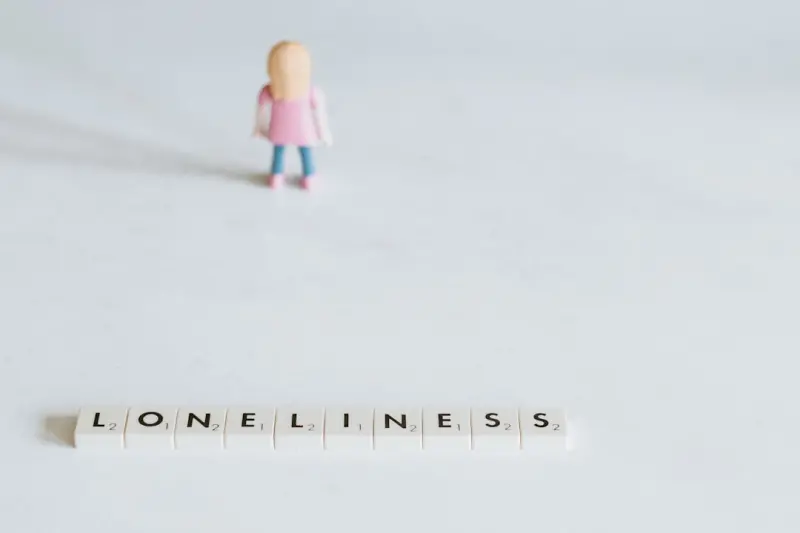
When the Inbox Silences: Reclaiming Mental Space in the Era of Constant Notification
It was a Tuesday afternoon, and the ding of a new email felt louder than the traffic outside my office window. My heart leapt, my fingers hovered over the keyboard, and before I knew it, I was diving into a thread that had begun three days earlier. By the time the meeting ended, I had answered seven messages, skimmed three newsletters, and opened a chat that turned into a 30‑minute brainstorming session. The rush subsided, but the echo lingered: “What’s next?”
That moment—repeated countless times across countless desks—captures a paradox of modern work life. Technology promises us freedom, yet the same tools can trap us in an endless loop of attention‑snatching alerts. The mental toll of this hyper‑connected existence is real, and it shows up not just in burnt‑out employees, but in the subtle erosion of focus, creativity, and even joy.
Why “Notification Fatigue” Is More Than a Buzzword
Researchers have identified “notification fatigue” as a distinct form of cognitive overload. Each ping, pop‑up, or badge forces the brain to switch tasks, a process that costs roughly 15‑25 seconds of productive thinking per interruption. Multiply that by dozens of alerts a day, and you have a recipe for mental exhaustion that no amount of coffee can fix.
- Decision fatigue: Every notification is a tiny decision—read now, snooze, or dismiss? The accumulation of these micro‑decisions drains willpower.
- Emotional contagion: An urgent‑tone email can spike stress hormones, while a celebratory Slack emoji can momentarily lift mood. The emotional rollercoaster becomes a daily commute for the brain.
- Identity drift: When work messages dominate personal time, the line between “I am the employee” and “I am a whole person” blurs, leading to a weakened sense of self.
Understanding these mechanisms is the first step toward reclaiming mental space. The good news? You don’t need to abandon every digital tool. You just need to redesign the way they interact with you.
Three Practical Shifts to Quiet the Digital Clamor
Below are three actionable strategies that have helped me, and many colleagues, transition from reactive inbox‑watching to intentional, purpose‑driven work. They are grounded in research, but I’ve tweaked them for the real‑world hustle of a mid‑size tech company.
1. Batch Your Notifications Like a Pro
Instead of letting every alert rip through your day, set designated “notification windows.” For most roles, three intervals—morning, post‑lunch, and late afternoon—are sufficient. During these windows, open your email and chat apps, process what’s urgent, and archive the rest.
To make this habit stick, use the edge AI tools already embedded in many collaboration platforms. These intelligent filters can automatically prioritize messages based on sender, keywords, and past response patterns, ensuring that only truly time‑sensitive items break through your quiet periods.
2. Create “Digital Sanctuaries” in Your Physical Space
Physical environment shapes digital behavior. If your desk is a constant visual reminder of a glowing screen, your brain will stay in “alert mode.” Designate a portion of your workspace—perhaps a small table lamp, a plant, or a minimalist notepad—as a no‑screen zone. When you sit there, the rule is simple: no email, no chat, no notifications. Use this space for deep work, reflection, or simply a mental reset.
Research shows that a change in visual cues can reset the brain’s attentional networks within minutes. Pair this with a short breathing exercise (four counts in, four out) to cement the transition from “reactive mode” to “focused mode.”
3. Adopt the “Micro‑Learning” Mindset for Communication
We often treat every email as a full‑length article that deserves a thoughtful response. Yet, most workplace messages are informational snippets that can be conveyed in a sentence or two. Borrowing from the microlearning philosophy, aim to make your own communications bite‑sized and encourage others to do the same.
- Subject line as a summary: If the recipient can understand the gist from the subject, the body can be a quick bullet list.
- Use emojis sparingly: A single, well‑placed emoji can replace a sentence of sentiment.
- Set expectations: End every message with “Action needed by EOD” or “FYI only,” so readers know how to prioritize.
When everyone embraces this approach, the overall volume of high‑priority notifications drops, freeing mental bandwidth for the work that truly matters.
Designing Organizational Policies That Support Mental Space
Individual tactics are powerful, but lasting change requires systemic support. Here are three policy ideas that senior leaders can champion without stifling the agility that modern businesses prize.
Asynchronous First Culture
Shift the default expectation from “instant reply” to “thoughtful response within the agreed window.” Encourage teams to annotate messages with “Urgent” tags only when truly necessary, and celebrate days where the inbox remains under a predefined threshold.
Mandatory “No‑Screen” Hours
Designate an hour each day—perhaps right after lunch—when all non‑essential notifications are silenced. This period can be used for deep work, professional development, or a brief walk. Companies that have piloted this see a measurable uptick in employee satisfaction scores.
Feedback Loops on Communication Practices
Implement a quarterly survey asking employees how many notifications they feel are truly necessary, and which channels feel most intrusive. Use the data to refine guidelines and provide training on concise messaging. Transparency builds trust, and trust reduces the urge to constantly check for updates.
When Technology Becomes a Mental Health Ally
It’s tempting to view every notification as an enemy, but the reality is more nuanced. The same platforms that bombard us can also be harnessed to protect our mental well‑being. Here’s how to flip the script:
- Smart Status Indicators: Many collaboration tools now allow you to set a “Do Not Disturb” status that automatically silences alerts and informs coworkers of your availability.
- AI‑Driven Summaries: Instead of reading each email, use AI assistants that generate concise summaries, letting you skim and decide what truly requires attention.
- Wellness Integrations: Some platforms integrate with mindfulness apps, prompting you to take a 2‑minute breathing break after a set number of notifications.
By treating these features not as gimmicks but as intentional safeguards, you transform the tech stack from a source of stress into a curated mental‑health partner.
The Ripple Effect: From Personal Calm to Organizational Resilience
When individuals reclaim mental space, the benefits cascade upward. Teams experience fewer miscommunications, faster decision‑making, and a stronger sense of psychological safety. Leaders notice higher engagement scores, lower turnover, and an overall boost in creative problem‑solving.
In my own experience, adopting a “notification‑light” routine didn’t just improve my focus; it gave me the mental room to mentor junior staff, contribute to cross‑functional brainstorming, and even rediscover a love for sketching during lunch breaks. Those small moments of creative recharge have, in turn, sparked ideas that directly impacted product roadmaps.
Getting Started: A 7‑Day Challenge
If you’re ready to test the waters, try this simple challenge. Each day, focus on one of the three shifts above, and record your observations in a short journal.
- Day 1‑2: Set up notification windows. Note how many messages you processed versus ignored.
- Day 3‑4: Create a digital sanctuary. Track any changes in focus duration.
- Day 5‑6: Practice micro‑learning communication. Count the reduction in email length.
- Day 7: Reflect. What felt hardest? What yielded the biggest mental relief?
At the end of the week, share your insights with a colleague or post a brief update on the company intranet. The act of externalizing your progress not only reinforces the habit but also inspires others to join the movement.
Conclusion: Choose Quiet Over Chaos
We live in an era where the next notification is always a click away, but that doesn’t mean we have to be slaves to the ping. By strategically batching alerts, carving out physical and temporal sanctuaries, and championing concise communication, we can reclaim the mental space that fuels creativity, resilience, and genuine connection.
Remember, the goal isn’t to abandon technology—it’s to curate it. When the inbox finally silences, you’ll hear something else: the steady hum of focused thought, the quiet confidence of a mind unburdened, and perhaps, the faint whisper of a new idea waiting to be born.

Miranda Murphy: Experienced freelance writer with a decade of storytelling expertise. Let's create something amazing together!
Related Posts
When Data Meets Empathy: Redesigning Workplace Mental Health with Real‑Time Sentiment
A deep dive into using real‑time sentiment analytics to proactively support employee mental health... Read More

Your Life as a Story: How Narrative Journaling Fuels Mental Resilience
Learn why storytelling and journaling are powerful tools for mental wellness, with practical steps t... Read More

Cultivating Mental Resilience Through Structured Play in the Digital Age
Structured play, when embedded into daily workflows, can transform mental health outcomes by boostin... Read More
Top Posts

Rethinking Enterprise Networking: From Static Hubs to Adaptive Meshes
Adaptive mesh networking replaces static hubs with dynamic, self‑healing pathways, delivering faster, more secure, and cost‑effective connectivity for moder...Read More
From Side Hustle to Dream Job: Crafting a Career That Aligns with Your Values
Learn to fuse passion with purpose, use sustainable trends to boost your profile, and transform side hustles into dream jobs that reflect your core values....Read More

Turning Everyday Moments into Safety Wins for Kids
Discover how tiny, consistent habits—from morning safety scans to weekly digital check‑ins—can create a robust safety culture for your children, blending ...Read More

How Data-Driven Gardening is Transforming Small Urban Spaces
Learn how to turn a balcony or windowsill into a productive garden with affordable sensors, AI-driven watering, and modular designs that blend tech and traditio...Read More
0 Comments
Post Comment
You will need to Login or Register to comment on this post!