
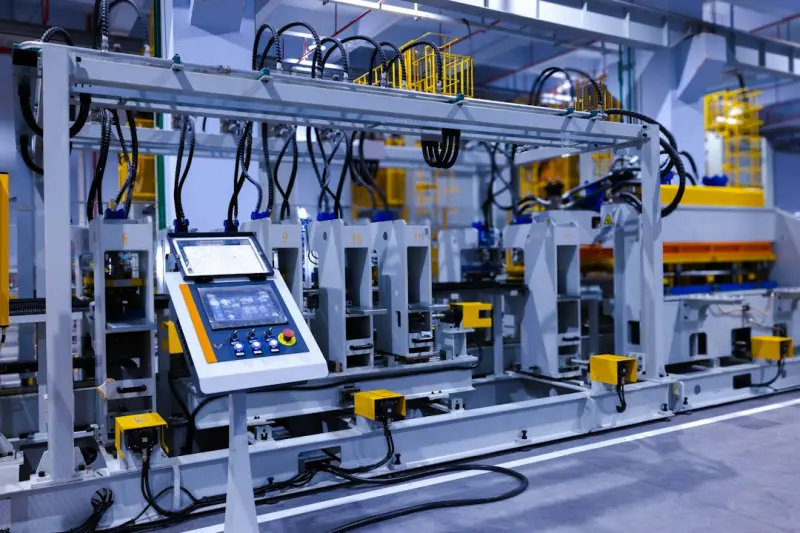
Seeing the Invisible: How a Digital Twin Mindset Is Redefining Industrial Products
When I first stepped onto the factory floor twenty‑something years ago, the most advanced piece of tech I could point to was a PLC with a blinking LED. Fast‑forward to today, and the same floor hums with edge sensors, cloud‑native analytics, and AI‑driven simulations that never sleep. The shift isn’t just about adding gadgets; it’s a fundamental change in how we think about the products we build, the machines that make them, and the data they generate. I’m calling this shift a Digital Twin Mindset—a philosophy that treats every physical asset as a living, learning counterpart in the digital realm.
From Static Blueprints to Living Models
Traditional product development has long relied on static CAD drawings and one‑off prototypes. Those artifacts are great for visualizing geometry, but they fall short when you need to answer questions like: “How will this gearbox behave under a sudden load spike tomorrow?” or “What carbon footprint will this new alloy have over a decade of operation?” A digital twin flips the script. Instead of a frozen representation, you get a real‑time, data‑rich replica that mirrors the physical product’s state, performance, and even its environment.
Imagine a turbine blade that’s not just a piece of metal on a shaft, but a virtual twin streaming vibration data, temperature gradients, and wear metrics to a cloud platform. Engineers can run what‑if scenarios on the twin—simulating fatigue, adjusting operating parameters, or testing a new coating—without ever halting production. The result is a feedback loop where insights from the digital realm flow back to the factory floor, informing design tweaks, maintenance schedules, and supply‑chain decisions.
Why the Mindset Matters More Than the Toolset
It’s tempting to think that buying a new software suite is the magic bullet. In reality, the real power comes from embedding the twin philosophy into every stage of the product lifecycle. That means:
- Designers start with a data model, not just a geometry file, ensuring that performance metrics are baked into the blueprint.
- Manufacturers treat production lines as data sources, feeding sensor streams into twin ecosystems to detect deviations instantly.
- Service teams rely on predictive alerts from the twin to schedule maintenance before a failure actually occurs.
- Supply‑chain planners use twin‑derived forecasts to align inventory with real demand, cutting waste and reducing lead times.
This holistic integration is where the mindset trumps the tool. You can have the flashiest platform, but without an organizational commitment to treat every product as a twin, you’ll only scratch the surface.
Data Is the Glue That Binds Twins to Reality
At the heart of every digital twin is data—massive, continuous, and often noisy. Capturing, cleaning, and contextualizing that data is a non‑negotiable prerequisite. One approach that’s gaining traction is federated learning. Rather than shipping raw sensor streams to a central server, edge devices train local models on‑device and share only the learned parameters. This preserves bandwidth, protects proprietary data, and accelerates model convergence across a fleet of machines.
Couple federated learning with a circular design ethos, and you have a powerful recipe for sustainable industrial products. Sensors can track material usage, wear patterns, and end‑of‑life conditions, feeding those insights back into product redesign loops that prioritize recyclability and resource efficiency.
Case Study: Revamping a Heavy‑Duty Compressor Line
Let’s walk through a concrete example that illustrates the digital twin mindset in action.
Background: A global manufacturer of oil‑field compressors faced frequent unscheduled downtime, costing millions in lost production. The equipment operated in remote, harsh environments, making on‑site diagnostics a logistical nightmare.
Digital Twin Deployment: The company equipped each compressor with vibration, temperature, and pressure sensors. Data streamed to an edge gateway, where a federated learning model continuously refined failure predictions based on localized conditions. The twin was visualized in a cloud dashboard that aggregated fleet‑wide health scores.
Outcomes:
- Predictive Maintenance: Failure predictions gave technicians a 72‑hour window to schedule interventions, slashing unplanned outages by 45%.
- Design Improvements: Analysis of twin data revealed a recurring thermal hotspot. Engineers introduced a revised cooling fin, which reduced operating temperature by 12°C and extended component life by 30%.
- Sustainability Gains: By extending component life, the company cut material waste, aligning with its broader circular‑economy goals.
This story underscores how a digital twin mindset can deliver tangible ROI while advancing sustainability—a win‑win for the bottom line and the planet.
Overcoming Common Pitfalls
Adopting digital twins isn’t a plug‑and‑play exercise. Companies often stumble on three fronts:
1. Data Silos
When engineering, operations, and maintenance each maintain separate data lakes, the twin becomes fragmented. Break down barriers with a unified data platform that enforces consistent schemas and metadata standards.
2. Over‑Engineering the Twin
It’s easy to fall into the trap of building a hyper‑detailed simulation that’s impossible to maintain. Start small—focus on the most critical performance variables—and iterate. The twin should be as simple as possible, but no simpler.
3. Ignoring Human Factors
Even the smartest twin is useless if operators don’t trust its recommendations. Involve end‑users early, provide transparent explanations for alerts, and embed twin insights into familiar workflows (e.g., SCADA screens, mobile dashboards).
The Role of AI and Edge Computing
Artificial intelligence is the engine that powers insight extraction from twin data. However, the latency requirements of industrial environments often demand edge AI—running inference locally on gateways or even on the sensor hardware itself. This reduces dependence on broadband connectivity and enables real‑time decision‑making.
Beyond predictive maintenance, AI can drive:
- Adaptive Control: Real‑time adjustments to motor speeds or valve positions based on twin feedback.
- Quality Assurance: Detecting micro‑defects in forged parts before they leave the line.
- Energy Optimization: Dynamically shifting load between machines to flatten peak demand.
Building a Twin‑Ready Culture
Technology adoption is only half the battle; the other half is cultural. Here’s a quick playbook to embed the twin mindset into your organization:
- Executive Sponsorship: Secure a champion at the C‑suite level who can allocate budget and break down departmental walls.
- Cross‑Functional Squads: Assemble teams that include designers, data scientists, operators, and supply‑chain analysts. Their diverse perspectives will shape a more robust twin.
- Iterative Pilots: Pick a high‑impact asset—like a pump or a CNC machine—and launch a pilot that runs for three to six months. Measure ROI, refine, then scale.
- Knowledge Sharing: Create an internal twin wiki where lessons learned, data schemas, and model artifacts are documented and accessible.
- Continuous Learning: Offer training modules on sensor fundamentals, data ethics, and AI interpretability to keep the workforce comfortable with new tools.
Future Glimpses: Twins Meet the Metaverse
Looking ahead, the line between digital twins and immersive virtual environments is blurring. Imagine a VR cockpit where engineers can walk through a 3D replica of a plant, toggle variables with hand gestures, and watch real‑time analytics play out in a spatial context. While still nascent, this convergence could democratize complex analyses, making them accessible to non‑technical stakeholders and accelerating decision cycles.
Wrapping Up: The Twin Mindset as a Competitive Lever
Industrial products are at a crossroads. The pressures of global supply‑chain volatility, stringent sustainability mandates, and relentless cost competition demand a smarter approach. By adopting a digital twin mindset—grounded in real‑time data, AI‑enabled insights, and a culture that embraces continuous learning—companies can transform passive assets into proactive, self‑optimizing partners.
In my experience, the most successful twins are not just software layers; they are extensions of the organization’s DNA. They speak the language of designers, resonate with operators, and whisper actionable advice to executives. When you let the twin become a shared reference point across the enterprise, you unlock a new tier of agility, resilience, and innovation.
If you’re curious about how to start this journey or want to dive deeper into specific technologies like federated learning or circular design, feel free to reach out. The future of industrial products is already here—it’s just waiting for you to twin it.

Jimmy Stewart is a content creator that gets inspired by many aspects of life, internet or whatever inspires him at that moment. When he's not online he's gaming and when he is not gaming he is online trolling discussion boards.
Related Posts
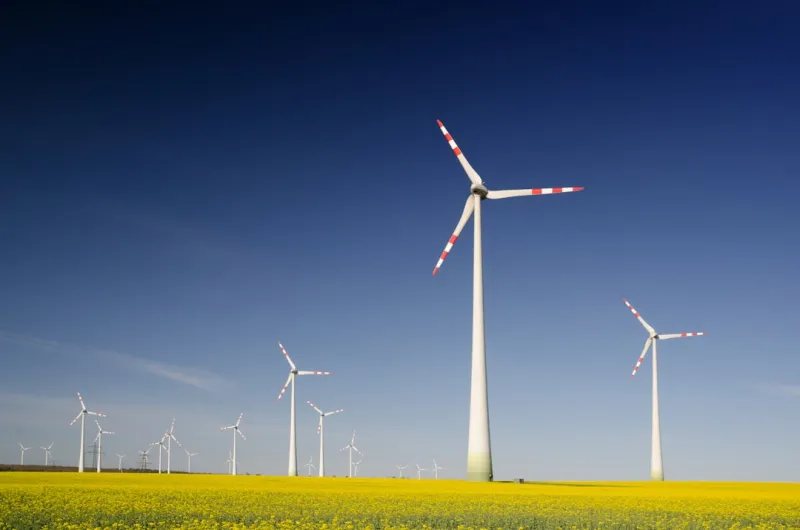
Industrial Products Powering Sustainability in 2026
Industrial products are now engineered for circularity, energy‑smart controls, and modularity, tur... Read More
The Evolution of Sustainable Industrial Products: A New Era for Manufacturers
The industrial sector plays a significant role in shaping our planet's ecological footprint. However... Read More
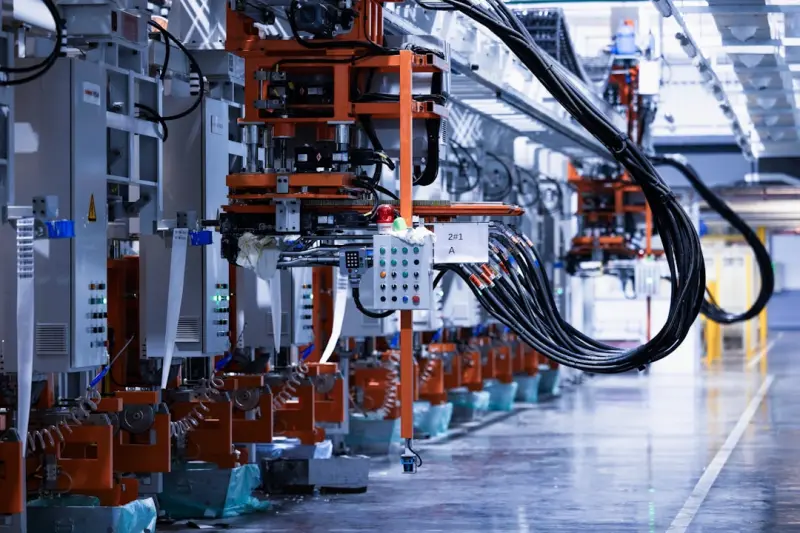
Reimagining Industrial Products Through Circular Supply Chains
A deep dive into the strategies, technologies, and cultural shifts that enable manufacturers to crea... Read More
Top Posts
When Digital Overload Hijacks Our Minds
Digital overload isn’t just an inconvenience—it’s a mental‑health crisis. This article examines why endless alerts drain our brains, offers practical pe...Read More
Micro‑Frontends and the Future of Scalable Web Architecture
A deep dive into micro‑frontends, showing how breaking the monolithic UI into independent, edge‑delivered components can boost performance, enable independe...Read More
Micro‑Moments Meet Paid Search: Turning Split‑Second Intent into Revenue
Learn a fresh, moment‑focused approach to search engine marketing that aligns ad copy, AI bidding, and landing pages with users' split‑second intent, drivin...Read More

The Connection Between Sustainability and Mental Health
The connection between sustainability and mental health is clear. By prioritizing sustainable practices, we can promote mental well-being and create a healthier...Read More
0 Comments
Post Comment
You will need to Login or Register to comment on this post!