

The Green Revolution Hits the Desktop
When I first unboxed my latest ultrabook, I expected the usual brag about raw horsepower and a glossy screen, but instead I found a story of sustainability woven into every component. Manufacturers are no longer content with simply stacking faster CPUs; they are engineering recyclable chassis, low‑power processors, and even carbon‑neutral supply chains to win over eco‑conscious consumers. This shift isn’t just marketing fluff—it’s a response to mounting regulatory pressure and a market that increasingly values the planet as much as performance. As a tech writer who’s chased every GPU launch for a decade, I’m impressed by how the industry now balances speed with stewardship, proving that green can be just as exhilarating as the latest benchmark scores. The result? A wave of PCs and laptops that feel just as powerful while leaving a smaller carbon footprint, and that’s the kind of trend that reshapes buying habits across the board.
Performance Meets Planet‑Friendly Design
Modern laptops are built on silicon that’s engineered for efficiency, meaning you can stream, edit, and game without the power draw of a decade‑old desktop. Companies are using advanced lithography to shrink transistors, which reduces energy consumption and heat output, allowing for thinner, fan‑less designs that still pack a punch. In parallel, chassis materials have moved from heavy aluminum alloys to recycled polymers and reclaimed aluminum, cutting embodied carbon by up to 30 percent. For power users, this translates into longer battery life—often double what a comparable non‑green model offers—so you can stay productive on the go without hunting for outlets. I’ve tested several of these machines, and the real‑world performance matches or exceeds expectations, proving that a greener build does not mean a compromise in speed or reliability.
Gaming on a Sustainable Platform
Gamers have traditionally been among the biggest power‑hungry consumers, but a new generation of titles and hardware is proving that high‑fps can coexist with eco‑friendly practices. Take the rise of “Gaming Green” initiatives, where developers optimize code for low‑power GPUs and studios publish carbon‑offset reports alongside launch announcements. Laptops equipped with NVIDIA’s Max‑Q designs or AMD’s Ryzen 7000 series now deliver console‑level graphics while drawing less wattage, thanks to smarter power‑management firmware. For me, the sweet spot lies in machines that pair efficient CPUs with high‑refresh displays that use adaptive sync to reduce unnecessary pixel pumping. This synergy not only curbs energy use but also extends hardware lifespan, because components run cooler and experience less wear over time.
Smart Accessories for a Cleaner Setup
Beyond the core machine, the accessories you choose can dramatically affect your overall environmental impact. Energy‑saving monitors with LED backlighting, USB‑C power delivery hubs that replace multiple chargers, and sustainably sourced keyboard kits now dominate the market. Even your docking station can be a green upgrade if it uses recycled plastics and supports power‑draw reduction modes. I’ve swapped out a traditional 65‑watt charger for a smart, programmable unit that throttles output during idle periods, cutting my desk’s energy draw by roughly 15 percent. Pairing these accessories with a low‑power laptop creates a holistic ecosystem where each component contributes to a lower carbon footprint without sacrificing functionality or aesthetic appeal.
Choosing the Right Sustainable PC: A Mini‑Guide
When you’re ready to invest, start by checking the manufacturer’s environmental certifications—look for ENERGY STAR, EPEAT Gold, or the newer Climate Neutral labels. Next, scrutinize the specs: a processor built on a 5‑nm node typically offers better performance per watt than older 14‑nm chips, and DDR5 RAM can reduce power usage while delivering higher bandwidth. Storage matters too; NVMe SSDs not only load apps faster but also consume less power than traditional SATA drives. Finally, evaluate the upgrade path. A laptop that lets you swap out the SSD or add RAM extends its usable life, delaying the need for a full replacement. This approach mirrors the advice from the Sustainable Plugin Playbook, which emphasizes future‑proofing to reduce waste—a principle that works just as well in hardware.
Eco‑Conscious Buying: What the Data Shows
Recent market research reveals that over 60 % of consumers now consider a product’s environmental impact before making a purchase, and that number is climbing faster in the PC segment than in any other category. Retailers are responding with clearer labeling, carbon‑offset options at checkout, and even subscription models that encourage device reuse. In practice, this means you can often trade in an older laptop for credit toward a newer, greener model, keeping the device in a circular economy loop. The data also shows a correlation between higher sustainability scores and customer satisfaction, suggesting that when users feel good about their purchase’s impact, they’re more likely to stay loyal to the brand and recommend it to peers.
Future Trends: AI, Edge Computing, and Sustainability
Looking ahead, the convergence of AI and edge computing will push manufacturers to design even leaner hardware that can process data locally, reducing the need for energy‑intensive cloud services. AI‑driven power‑management algorithms are already learning a user’s habits to dynamically adjust CPU frequencies, screen brightness, and even network usage in real time. As these technologies mature, we’ll see laptops that not only adapt to our workloads but also anticipate the most efficient way to execute them, slashing energy consumption without us noticing a dip in performance. This intelligent optimization is poised to become a standard feature, turning every new PC into a smarter, greener companion.
Wrapping Up: Why You Should Care
In 2024, buying a PC or laptop is no longer just about specs; it’s about aligning your tech choices with the broader goal of a sustainable future. From reduced carbon footprints and recyclable materials to AI‑enhanced efficiency, the industry is delivering machines that satisfy power users while respecting the planet. As someone who lives and breathes hardware, I can attest that the excitement of a high‑frame‑rate game or a lightning‑fast render is now paired with the satisfaction of knowing you’re minimizing environmental harm. So the next time you’re scrolling through a catalog, remember that the most compelling spec sheet might be the one that lists both performance numbers and sustainability credentials side by side.

Shawn DesRochers is a certified Microsoft technician and Programmer with 30+ year's experience. He has written many reviews on computer related products, software, and SEO related topics. When he's not writing reviews he can be found at one of the Oldest Directories Online Web Domain Authority which he is the CEO of.
Related Posts
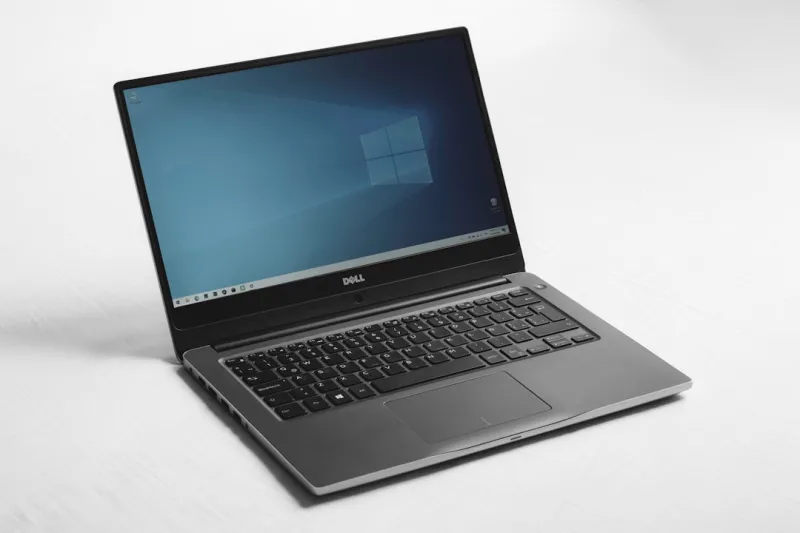
The Green Revolution in PC and Laptop Manufacturing: A Sustainable Future
The PC and laptop industry is undergoing a green revolution, with manufacturers prioritizing sustain... Read More

The Future of PC and Laptop Technology: Sustainable Innovations to Watch
The tech industry is shifting towards sustainability, with PC and laptop manufacturers prioritizing ... Read More

The Evolution of Eco-Friendly PCs and Laptops: A Sustainable Future
The PC and laptop industry is undergoing a significant shift towards sustainable practices. Learn ab... Read More
Top Posts
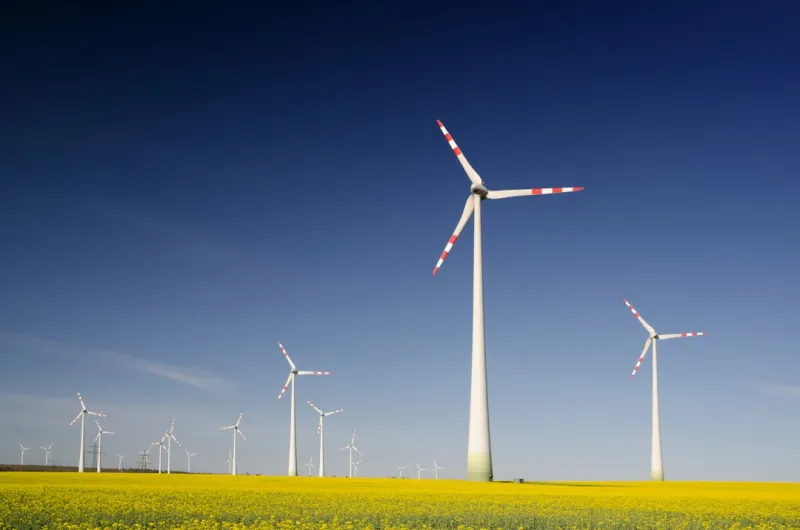
The Future of Energy: How Technology is Revolutionizing Sustainability
The energy sector is undergoing a significant transformation, driven by innovations in renewable energy, energy storage, and smart grid management. Learn about ...Read More

The Dark Side of the Digital Age: How Online Safety and Sustainability Intersect
The digital age has brought many benefits, but it also poses significant risks to our online safety and the environment. By exploring the intersection of online...Read More

Cybersecurity in 2024: Balancing AI, Remote Work, and Sustainable Practices
Jimmy Anand breaks down 2024’s security challenges, blending AI insights, remote‑work safeguards, and sustainable practices into a forward‑thinking strate...Read More

The Intersection of Technology and Sustainability: A New Era for Environmental Stewardship
The intersection of technology and sustainability is transforming the way we approach environmental stewardship. Learn more about the innovative solutions that ...Read More
0 Comments
Post Comment
You will need to Login or Register to comment on this post!