

Green is the New Black in WordPress Development
When I first opened my laptop this morning, the dashboard of my favorite site glowed with the same familiar teal I’ve come to associate with sustainable design—a subtle reminder that the WordPress ecosystem is finally waking up to its carbon responsibility. As a long‑time contributor and consultant, I’ve watched the community shift from “just get the job done” to “let’s get the job done without heating up the planet,” and the momentum feels more like a tidal wave than a trickle. In this post I’ll walk you through the hottest trends, the most impactful tools, and the simple habits that can turn any WordPress project into a greener, faster, and more future‑proof experience.
Why Sustainability Belongs on the Web
Every time a visitor loads a page, servers worldwide consume electricity, and that energy often comes from sources that emit greenhouse gases, meaning each click leaves a tiny carbon footprint that adds up across millions of users. The Intersection of WordPress and Sustainability explores how eco‑friendly practices are reshaping the entire web, and the findings are clear: performance and planet‑friendliness are two sides of the same coin, not mutually exclusive goals. By embracing sustainability early in the development cycle, we not only protect the environment but also improve SEO rankings, lower bounce rates, and delight clients who now expect responsible design as a baseline service.
Choosing a Carbon‑Conscious Host
One of the quickest wins for any WordPress site is migrating to a hosting provider that powers its data centers with renewable energy or purchases carbon offsets for the electricity it uses; the difference can shave off up to 30 % of a site’s total emissions. Look for certifications such as Green Web Foundation or companies that publicly share their energy mix, because transparency is a reliable indicator of genuine commitment versus marketing fluff. Once you’ve secured a green host, pair it with a CDN that caches static assets close to the user, further reducing the distance data must travel and slashing the energy required for each request.
Lightweight Themes and Smarter Design
Designers often think that richer visuals automatically mean higher load times, but with modern CSS‑grid layouts, SVG icons, and modular component libraries, you can achieve a high‑end look without inflating the page size—a crucial factor for lowering the carbon intensity of a WordPress site. Stick to a mobile‑first approach, compress images using WebP, and defer non‑essential scripts; every kilobyte saved translates to less processing power and a cooler server room. I’ve personally seen a 40 % reduction in energy usage simply by swapping a heavy page builder theme for a lean, custom‑coded starter theme, and the client’s conversion metrics improved alongside the sustainability score.
The Evolution of Eco‑Friendly WordPress Plugins
Plugins have long been the double‑edged sword of the WordPress world—offering endless functionality but often at the cost of bloated code and unnecessary database queries. The Evolution of Eco‑Friendly WordPress Plugins highlights a new generation of tools that prioritize performance, such as lazy‑loading image galleries, server‑side caching solutions, and analytics plugins that batch data to reduce API calls. When selecting a plugin, check the number of active installations, recent update frequency, and, most importantly, whether the developer provides benchmarks on memory usage and query load; these metrics are the hidden carbon ledger for every extra line of code you add.
Content Strategies That Reduce Carbon Footprint
Beyond technical tweaks, the words you publish can also influence a site’s environmental impact, especially when you consider the energy cost of rendering large blocks of text on low‑end devices. Opt for concise, well‑structured copy, use heading hierarchies wisely, and embed video content only when it adds genuine value—otherwise, replace it with lightweight GIFs or animated SVGs that require far less bandwidth. Moreover, implement a “green content” policy that encourages contributors to research topics like renewable energy, circular economies, or sustainable lifestyles, creating a virtuous cycle where the site’s mission aligns with its operational footprint.
Educating the WordPress Community
Just as schools are integrating eco‑friendly practices into curricula—see Education for a Sustainable Future for a deep dive—the WordPress community benefits from shared knowledge, webinars, and open‑source collaborations focused on greening the platform. I regularly host virtual meet‑ups where developers swap code snippets that trim down server calls, and we celebrate plugins that achieve sub‑second load times on a 1 Mbps connection, because those benchmarks mirror real‑world conditions for users in emerging markets. When we empower each other with data, tools, and success stories, the collective impact multiplies far beyond what any single site could achieve alone.
The Future of AI and Sustainable WordPress
Artificial intelligence is poised to become the next catalyst for carbon reduction on the web, with smart image optimization, predictive caching, and automated accessibility checks that eliminate manual, resource‑heavy processes. The Future of AI outlines how machine‑learning models can dynamically serve lower‑resolution assets to devices with limited bandwidth, slashing data transfer without sacrificing user experience. By integrating AI‑powered plugins that learn a site’s traffic patterns, you can schedule heavy tasks during off‑peak hours, further reducing the strain on shared hosting environments and contributing to a greener digital ecosystem.
Actionable Checklist for a Greener WordPress Site
To translate all this insight into daily practice, I’ve compiled a quick checklist: (1) audit your hosting provider’s energy sources; (2) replace heavyweight themes with lightweight, performance‑first alternatives; (3) audit plugins for unnecessary queries and switch to eco‑friendly options; (4) enable image compression and serve next‑gen formats; (5) implement lazy loading for above‑the‑fold content; (6) schedule backups and updates during low‑traffic windows; (7) monitor site speed with tools that report carbon estimates; and (8) share your sustainability metrics with clients to reinforce the business case. Ticking each box not only trims your site’s carbon output but also builds a reputation for responsible development that attracts eco‑conscious brands and forward‑thinking agencies alike.
Closing Thoughts: Your Role in the Green WordPress Movement
Every WordPress site, from a personal blog to a multinational e‑commerce platform, holds the power to either add to the climate crisis or become a beacon of sustainable innovation, and the choice is now in the hands of developers, designers, and site owners alike. By weaving eco‑friendly practices into the very fabric of our workflows, we create faster, more reliable experiences that delight users while honoring the planet—a win‑win that resonates with the growing demand for ethical digital products. Join the conversation, share your successes, and let’s prove that the future of WordPress isn’t just powerful—it’s responsibly green.

Freelance writer with a flare for everything. I am passionate about topics I write crafting stories and compelling content that connect with audiences. Journeying through the realms of creativity as a freelance creator. #WriterLife #ContentCreator
Related Posts

The Intersection of WordPress and Sustainability: How Eco-Friendly Practices Are Revolutionizing the Web
Learn how to create a sustainable WordPress site that reduces its carbon footprint and promotes eco-... Read More
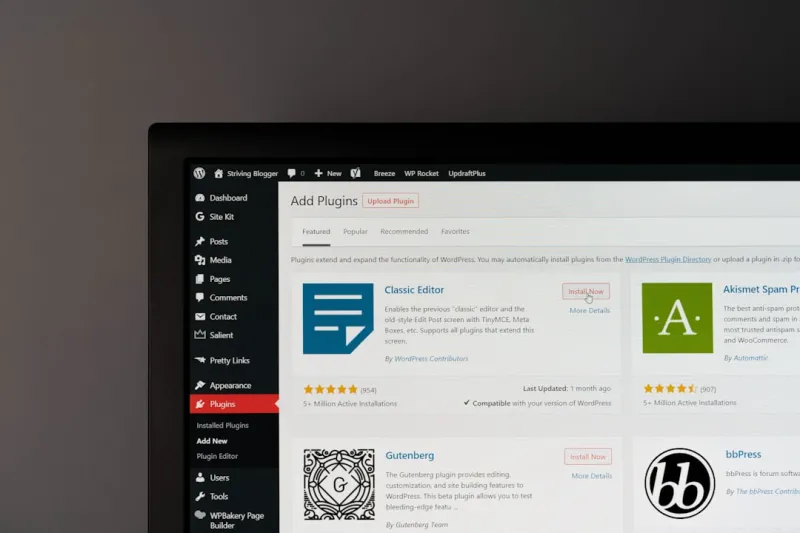
The Power of Sustainable Web Development: How WordPress Can Help You Make a Difference
As a web developer, you have the power to make a positive impact on the environment. Learn how to cr... Read More

The Future of WordPress: How Sustainable Web Development is Revolutionizing the Way We Create Content
The way we build and maintain websites has a significant impact on the environment. Learn how sustai... Read More
Top Posts

The Power of Social Media in Shaping Sustainable Lifestyles
Social media plays a vital role in shaping sustainable lifestyles and promoting eco-friendly practices. Learn how to leverage social media platforms, influencer...Read More

The Intersection of Technology and Sustainability: A New Era for Environmental Stewardship
The intersection of technology and sustainability is transforming the way we approach environmental stewardship. Learn more about the innovative solutions that ...Read More
The Shift Towards Sustainable Industrial Practices
The industrial sector has a significant impact on the environment, but sustainable practices can help mitigate this impact. Learn about the benefits and challen...Read More

The Rise of Eco-Friendly Outdoor Adventures
The great outdoors is calling, but are you answering in a way that's sustainable? Learn how to make your outdoor adventures more eco-friendly and join the movem...Read More
0 Comments
Post Comment
You will need to Login or Register to comment on this post!