

When most of us think about sustainability in the tech world, the conversation lands on data centers, cloud footprints, or the carbon intensity of code. Rarely does it drift toward the mop bucket in the break room. Yet the humble act of cleaning is a silent greenhouse gas emitter—through chemicals, water use, and the logistics of delivering products. In my decade of building SaaS platforms, I’ve watched companies chase performance metrics while overlooking the dirt under their feet. This piece is a deep‑dive into how we can flip that script, turning cleaning from a cost center into a competitive advantage using AI, circular design, and real‑time sensor data.
The Hidden Cost of Traditional Cleaning
Conventional cleaning solutions rely on petro‑based surfactants, synthetic fragrances, and single‑use packaging. Those chemicals often end up in waterways, while the plastic bottles pile up in landfills. Even the “green” options on the shelf can be misleading—some are merely “less bad” rather than truly regenerative. Add to that the hidden energy cost of heating water, powering vacuums, and the transportation miles required to restock supplies across satellite offices. For a distributed SaaS team that operates in dozens of cities, those hidden emissions can rival the office’s electricity consumption.
Data‑Driven Clean: Sensors Meet Sustainability
Enter the Internet of Things. Low‑cost humidity, temperature, and foot‑traffic sensors can tell us exactly when a surface needs attention. Instead of a blanket cleaning schedule that forces staff to scrub empty desks twice a day, an intelligent system can trigger a cleaning event only when a threshold is crossed—say, a spill detection or a spike in footfall on a communal kitchen counter. The data stream feeds a simple algorithm that balances hygiene with resource efficiency, slashing water use by up to 40 % and cutting chemical consumption dramatically.
Circular Product Design: From Bottle to Bio‑Enzyme
The next frontier isn’t just about using less—it’s about using differently. Imagine a cleaning concentrate that ships in a reusable aluminum can, designed to be refilled at a central dispensing station. The concentrate itself is a blend of enzymes derived from food‑grade waste (think citrus peels and coffee grounds) that break down grime biologically rather than chemically. When the last drop is used, the empty can is collected, sterilized, and sent back to the manufacturer for a new batch. This closed loop mirrors the circular‑economy principles we champion in software development: reuse, refactor, and redeploy.
AI‑Powered Scheduling Cuts Waste
AI isn’t just for predictive analytics in sales pipelines; it can also become the brain behind eco‑cleaning. By ingesting sensor data, calendar events, and occupancy patterns, a machine‑learning model can forecast the optimal cleaning cadence for each zone of an office. It learns, for example, that the conference room sees a surge in use on Monday mornings and a lull on Fridays, adjusting the frequency accordingly. The result? A dynamic schedule that trims labor hours, reduces chemical waste, and keeps hygiene levels high where they matter most.
The Human Factor: Empowering Teams with Green Habits
Technology alone won’t solve the problem. Teams need to own the process. A simple digital badge system—integrated into existing SaaS dashboards—can reward employees who log eco‑friendly actions, such as refilling a dispenser instead of buying a new bottle, or reporting a spill that triggers the sensor‑based response. Gamifying sustainability taps into the same intrinsic motivation that fuels developer communities, turning everyday cleaning into a shared mission.
Case Study: Turning Office Waste Into Cleaning Power
One of our remote‑first clients piloted a program that collected used coffee grounds from each office and shipped them to a partner that extracts natural oils for a biodegradable cleaner. The initiative was highlighted in a recent post about urban soil alchemy, showing how waste streams can be redirected into productive inputs. Within six months, the company reported a 25 % reduction in purchased cleaning chemicals and a measurable drop in waste disposal fees.
Integrating Eco‑Cleaning into SaaS Ops
From a product management perspective, adding eco‑cleaning as a feature set mirrors the way we think about security or performance. Create a “cleaning health” dashboard that visualizes water usage, chemical volume, and sensor‑triggered events. Tie those metrics to existing OKRs around sustainability, and you have a transparent, data‑driven narrative that senior leadership can champion. Moreover, the same API infrastructure that powers your user analytics can be repurposed to expose cleaning metrics to external partners, opening up new B2B opportunities.
Future Trends: Smart‑Clean Ecosystems
Looking ahead, the convergence of micro‑grids, renewable energy, and smart cleaning devices could give rise to self‑sustaining offices. Imagine a solar‑powered vacuum that recharges on a micro‑grid—similar to the concepts discussed in powering the remote workforce—paired with a sensor network that ensures each device runs only when needed. The synergy of these technologies would push the eco‑cleaning envelope from incremental improvements to a holistic, regenerative workspace.
Getting Started: A Playbook for SaaS Leaders
- Audit your current cleaning supply chain. Identify the top three chemicals, packaging types, and delivery routes that contribute most to emissions.
- Deploy low‑cost sensors. Start with high‑traffic zones—kitchens, conference rooms, and shared desks—to capture actionable data.
- Partner with a circular‑product vendor. Look for companies offering refillable, enzyme‑based concentrates.
- Build an AI model. Use open‑source frameworks to predict cleaning needs based on occupancy and sensor inputs.
- Gamify and measure. Introduce a badge system and a dashboard to keep the team engaged and accountable.
Eco‑cleaning isn’t a side project; it’s a strategic lever that can reduce operating expenses, lower carbon footprints, and reinforce a culture of responsibility. By marrying data, design, and human motivation, SaaS companies can clean up more than just their desks—they can clean up their impact on the planet.

Ryan Stuart is a seasoned freelance features writer, editor, and professional photographer with a passion for exploring the world and capturing its beauty through words and images.
Related Posts

Eco‑Cleaning for the Modern Office: Turning Green Practices into Business Wins
A deep dive into building an eco‑cleaning program for offices, covering health benefits, cost savi... Read More

Eco‑Cleaning Made Simple: DIY Recipes, Reusable Tools, and Community Swaps for a Greener Home
Learn how to craft zero‑waste cleaning concentrates, swap containers with neighbors, and use recla... Read More

Enzyme Power: Rethinking Office Cleaning for a Greener Bottom Line
Enzyme cleaners break down grime at a molecular level, offering a biodegradable, cost‑effective al... Read More
Top Posts

Turning Data Centers Green: A Pragmatic Playbook for Sustainable SaaS Ops
This post outlines a three‑phase blueprint—baseline, optimization, and compensation—to help SaaS companies measure, reduce, and transparently report their...Read More

Why Community Street Leagues Are the Next Big Play
Community-driven street leagues are transforming urban neighborhoods by providing affordable, inclusive sports experiences that boost local economies, nurture l...Read More
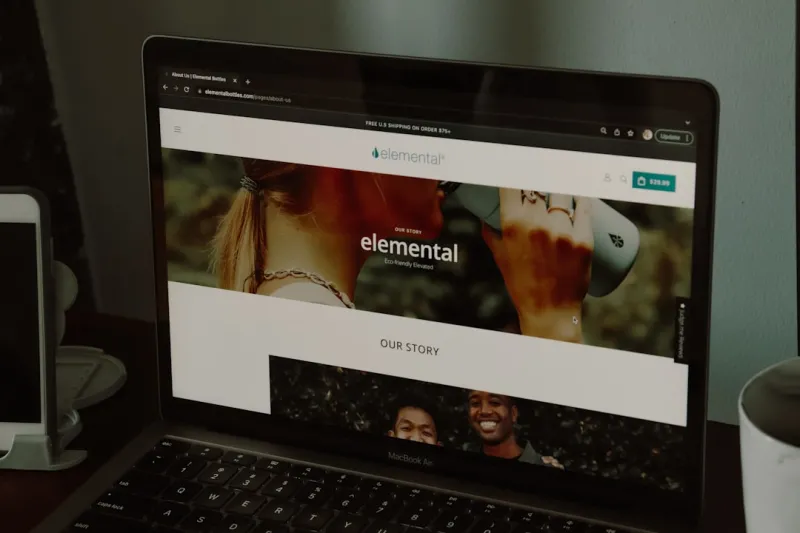
The Evolution of Sustainable Web Design: A New Era of Environmental Responsibility
Sustainable web design is no longer a niche topic; it's a critical aspect of web design. Learn how to create eco-friendly websites that promote environmental re...Read More

Playful Sustainability: Rethinking Toys for a Greener Future
Explore the rise of eco‑friendly toys, from plant‑based materials to solar‑powered fun, and learn how mindful play can shape a greener tomorrow....Read More
0 Comments
Post Comment
You will need to Login or Register to comment on this post!