
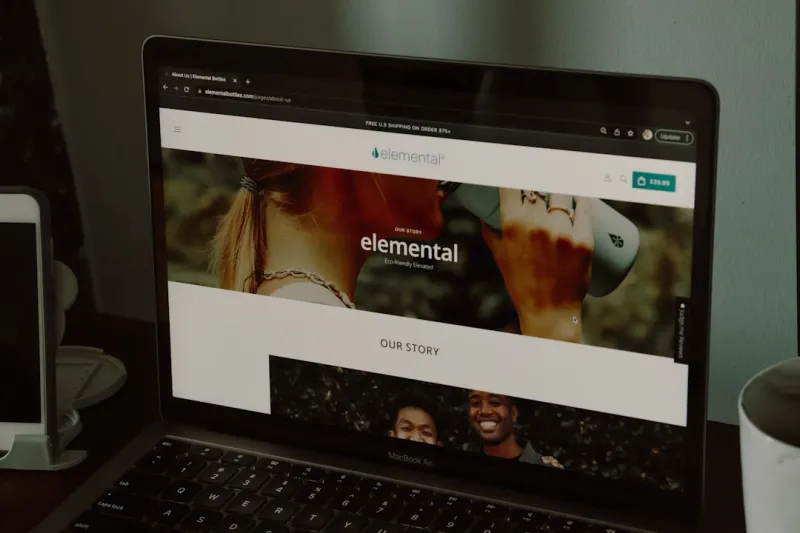
The Evolution of Sustainable Web Design: A New Era of Environmental Responsibility
As a web designer, I've always been fascinated by the intersection of technology and sustainability. With the growing awareness of environmental issues, it's no surprise that sustainable web design has become a hot topic in the industry. In this article, I'll explore the evolution of sustainable web design, its importance, and what it means for the future of the web.
Sustainable web design is not just about creating websites that are eco-friendly; it's also about creating websites that are accessible, usable, and sustainable in the long term. With the rise of online safety and sustainable practices, web designers have a crucial role to play in promoting environmental responsibility.
The Dark Side of the Digital Age
The digital age has brought many benefits, but it also has a dark side. The production and disposal of electronic devices, data centers, and digital infrastructure have a significant impact on the environment. According to a report by the World Economic Forum, the digital industry accounts for around 2-3% of global greenhouse gas emissions. This may seem like a small percentage, but it's comparable to the aviation industry.
As web designers, we have a responsibility to reduce our carbon footprint and promote sustainable practices. One way to do this is to adopt sustainable software development practices, such as using energy-efficient coding techniques, optimizing images, and reducing HTTP requests.
The Principles of Sustainable Web Design
So, what are the principles of sustainable web design? Here are a few key takeaways:
* Energy efficiency: Design websites that use minimal energy and resources. * Accessibility: Create websites that are accessible to all users, regardless of their device or location. * Usability: Design websites that are easy to use and navigate. * Sustainable content: Create content that is relevant, concise, and sustainable in the long term.
By following these principles, web designers can create websites that are not only eco-friendly but also user-friendly and sustainable.
The Role of Web Design in Sustainable Living
Web design plays a crucial role in promoting sustainable living. By creating websites that are sustainable, accessible, and usable, we can promote environmental responsibility and reduce our carbon footprint. For example, interior designers are using sustainable materials and practices to create eco-friendly homes and buildings.
Similarly, web designers can use sustainable practices to create websites that promote sustainable living. This can include creating websites that provide information on sustainable living, promoting eco-friendly products, and encouraging users to adopt sustainable behaviors.
The Future of Sustainable Web Design
The future of sustainable web design is exciting and rapidly evolving. With the growth of sustainable living, web designers have a crucial role to play in promoting environmental responsibility.
In the future, we can expect to see more websites that are designed with sustainability in mind. This will include websites that use energy-efficient coding techniques, sustainable content, and eco-friendly design principles.
Conclusion
In conclusion, sustainable web design is no longer a niche topic; it's a critical aspect of web design. As web designers, we have a responsibility to promote environmental responsibility and reduce our carbon footprint. By adopting sustainable practices, such as energy-efficient coding techniques, sustainable content, and eco-friendly design principles, we can create websites that are not only eco-friendly but also user-friendly and sustainable.
As we move forward, it's essential to prioritize sustainability in web design. By doing so, we can create a more sustainable future for the web and for our planet.
Call to Action
So, what can you do to promote sustainable web design? Here are a few takeaways:
* Adopt sustainable practices: Use energy-efficient coding techniques, optimize images, and reduce HTTP requests. * Create sustainable content: Create content that is relevant, concise, and sustainable in the long term. * Promote environmental responsibility: Encourage users to adopt sustainable behaviors and promote eco-friendly products.
By taking these steps, we can create a more sustainable future for the web and for our planet.
Additional Resources
If you're interested in learning more about sustainable web design, here are a few additional resources:
* Sustainable web design communities: Join online communities that focus on sustainable web design and development. * Sustainable web design tools: Use tools that help you design and develop sustainable websites. * Sustainable web design blogs: Follow blogs that focus on sustainable web design and development.
By staying up-to-date with the latest trends and best practices, you can create websites that are not only eco-friendly but also user-friendly and sustainable.

Sanji Patel has dedicated 25 years to the SEO industry. As an expert SEO consultant for news publishers, he emphasizes providing both technical and editorial SEO services to news publishers worldwide. He frequently speaks at conferences and events globally and offers annual guest lectures at local universities.
Related Posts
The Intersection of Web Design and Sustainability: A New Era of Digital Communication
The web has a significant environmental impact, but sustainable web design can help reduce it. Learn... Read More
The Evolution of Sustainable Web Design: A Greener Future for the Digital Landscape
The digital landscape is expanding rapidly, but at what cost? Learn how sustainable web design can r... Read More
Top Posts
The Evolution of Eco-Friendly Appliances: A Greener Future for Your Home
Explore the world of eco-friendly appliances and learn how they're changing the way we live. From smart refrigerators to energy-efficient washing machines, find...Read More
Unlocking the Power of Networking: A Personal Perspective
Learn how to unlock the power of networking and build meaningful relationships that can help you achieve your career goals with expert advice from Jessica Gills...Read More
The Evolution of Sustainable Web Design: A Greener Future for the Digital Landscape
The digital landscape is expanding rapidly, but at what cost? Learn how sustainable web design can reduce the environmental impact of the internet and create a ...Read More
The Future of Business: How Technology is Revolutionizing Industries
The future of business is being shaped by technology. From AI to sustainable shopping, learn how the latest trends and innovations are revolutionizing industrie...Read More
0 Comments
Post Comment
You will need to Login or Register to comment on this post!