
Why the Audio‑First Wave Is the Next Social Media Frontier for B2B SaaS
When I first heard a colleague talk about “Clubhouse for enterprises,” I laughed and imagined a boardroom full of CEOs whispering in hushed tones. Fast‑forward a few months, and the same platforms that once felt like niche party rooms are now buzzing with product road‑maps, customer pain points, and real‑time market intel. As a marketer who has spent the last decade chasing clicks, I’m finally convinced that the audio‑first social experience isn’t a novelty—it’s a strategic imperative for any SaaS company that wants to stay ahead of the curve.
The Shift From Visual to Voice: What’s Driving It?
Social media has traditionally been visual‑centric. Instagram, TikTok, and even LinkedIn’s image‑heavy posts have taught us that a picture is worth a thousand likes. Yet three forces are converging to make voice the next dominant medium:
- Attention scarcity. Professionals are inundated with static feeds; a 30‑second voice clip cuts through the noise more efficiently than a carousel of images.
- Mobile ergonomics. With earbuds becoming a default accessory, listening feels as natural as scrolling.
- Community intimacy. Audio fosters a sense of presence—listeners feel like they’re sitting in the same room, even when they’re miles apart.
These dynamics aren’t just trends; they’re reshaping how decision‑makers consume content, evaluate vendors, and ultimately, allocate budget.
How Audio‑First Platforms Are Already Being Used by SaaS Leaders
Don’t take my word for it—look at the early adopters:
- Product teams host “Ask Me Anything” sessions on Clubhouse, fielding live questions from developers about upcoming API changes.
- Customer success managers run weekly voice‑only roundtables on Twitter Spaces, turning churn risk into collaborative problem‑solving.
- Marketing squads drop micro‑episodes on LinkedIn Audio, highlighting case studies in under two minutes, perfect for the commuter audience.
These initiatives are not isolated experiments; they’re becoming part of the customer journey—from awareness to advocacy.
Building an Audio‑First Social Strategy: A Step‑by‑Step Playbook
Below is a practical framework that I’ve refined through trial and error. It’s designed to be flexible, whether you’re a bootstrapped startup or an established enterprise.
- Define your audio objectives. Are you aiming to generate leads, nurture existing accounts, or gather product feedback? Clear goals dictate format and platform.
- Choose the right stage. Clubhouse, LinkedIn Audio, Twitter Spaces, and emerging platforms each have unique community norms. Align your choice with where your target personas spend time.
- Curate content pillars. For SaaS, consider:
- Industry insights & trends
- Technical deep‑dives & demos
- Customer success stories
- Thought‑leadership interviews
- Invest in production quality. A decent microphone, noise‑cancelling headphones, and a quiet space can dramatically improve listener retention.
- Promote cross‑channel. Tease episodes on your email newsletters, embed audio players in blog posts, and repurpose transcripts for SEO.
- Measure, iterate, and scale. Track metrics such as live listener count, average listening duration, and post‑episode conversion rates.
When you align each step with a broader product or growth strategy, audio stops being a side‑project and becomes a core growth engine.
Integrating Audio Into Your Existing SaaS Ecosystem
Audio can dovetail with several existing initiatives. For instance, a robust plugin architecture—like the one explained in Why a Robust Plugin Strategy Is the Secret Weapon for Modern SaaS Platforms—can be leveraged to embed live audio widgets directly into your product dashboard. Imagine a “Help Center” that not only displays articles but also streams a weekly voice session where product experts answer live questions. This creates a seamless feedback loop, turning passive readers into active participants.
Similarly, the data‑driven safety nets discussed in Data‑Driven Safety Nets: Protecting Remote Teams in a Hyper‑Connected World can be extended to audio. By analyzing sentiment and keyword spikes in live sessions, you can flag potential churn risks or product bugs in real time, allowing your support team to intervene before a negative experience escalates.
Case Study: Turning a Weekly Voice Roundtable Into a Lead Magnet
One mid‑size CRM provider decided to launch a 20‑minute “Revenue Ops Roundtable” on LinkedIn Audio every Thursday. Here’s what happened:
- Audience growth: Within six weeks, the live audience grew from 30 to 250 listeners, largely comprised of VP‑level revenue leaders.
- Lead conversion: By embedding a short registration form at the end of each episode, the company captured 180 qualified leads per month.
- Product insights: Listeners frequently asked about integration pain points, prompting the product team to prioritize a new API endpoint that later reduced churn by 4%.
This example illustrates how an audio‑first approach can simultaneously drive demand, inform product roadmap, and deepen community trust.
Challenges and How to Overcome Them
Every new channel comes with its own set of hurdles. Here are the most common for audio, and practical ways to address them:
- Discovery. Unlike a static post, live audio can be fleeting. Solution: Record sessions, create on‑demand playlists, and repurpose content as podcasts or blog transcriptions.
- Content fatigue. Listeners can tire of overly promotional talks. Solution: Adopt the educate‑first, sell‑later mantra—provide tangible value before mentioning your product.
- Technical glitches. Poor audio quality kills credibility. Solution: Conduct a pre‑show tech check and keep a backup recording device handy.
- Measuring ROI. Traditional social metrics don’t always translate. Solution: Tie audio metrics directly to business KPIs—e.g., number of demo requests generated from a session.
Future Outlook: Beyond Live Audio to Immersive Voice Experiences
Looking ahead, the line between audio and immersive experiences will blur. Think of AI‑driven voice assistants that can surface relevant SaaS tutorials on demand, or spatial audio rooms where participants feel physically present despite being remote. Companies that start building voice‑centric content today will have a head start in shaping these next‑gen experiences.
In the meantime, the low barrier to entry means you can experiment now: schedule a 15‑minute “Ask the Engineer” drop‑in on Twitter Spaces, or host a short podcast episode that tackles a single customer pain point. The key is to stay authentic, stay data‑driven, and let the conversation guide your product evolution.
Take Action: Your First Audio Experiment
Ready to dip your toes in? Here’s a quick starter kit:
- Toolset: A USB condenser mic, headphones, and a free recording app (e.g., Audacity).
- Topic: Pick a timely industry trend that your audience is buzzing about.
- Promotion: Announce the session on your LinkedIn page and Slack community 48 hours in advance.
- Follow‑up: Send a thank‑you email with a link to the recording and a short survey to capture feedback.
Within a single cycle, you’ll have a piece of content, a set of listener insights, and a foothold in the rapidly growing audio‑first social ecosystem.

Sanji Patel has dedicated 25 years to the SEO industry. As an expert SEO consultant for news publishers, he emphasizes providing both technical and editorial SEO services to news publishers worldwide. He frequently speaks at conferences and events globally and offers annual guest lectures at local universities.
Related Posts
Beyond Likes: Building Community in the New Social Audio Era
Social audio is more than a fleeting trend; it’s a powerful, voice‑first way to create authentic... Read More
How Social Media Can Power Your SaaS Product Roadmap
Learn to transform noisy social media conversations into a disciplined product roadmap, using AI cla... Read More
The Secret Sauce Behind Viral Social Media in a Sustainable Age
Learn the winning blend of genuine storytelling, eco‑influencer power, and smart data to create vi... Read More
Top Posts
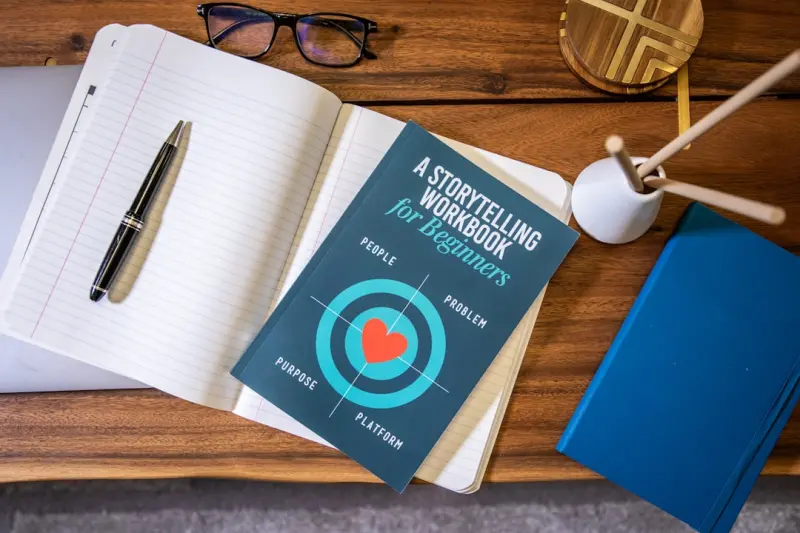
AI‑Powered Personal Knowledge Management: Turning Information Overload into Actionable Insight
Explore AI’s role as a personal curator, enabling seamless summarization, semantic search, and collaborative knowledge bases to tame information overload....Read More

Why Sustainable Business Models Are the New Competitive Edge
Explore why sustainability is now a core competitive advantage, from technology integration to culture shift, and learn actionable steps to future‑proof your ...Read More
Voice Search Optimization: The Untapped Goldmine for SaaS Marketers
Voice search is rapidly becoming a pivotal channel for SaaS marketers. This post outlines why voice matters, the technical steps to get ready, and a proven 90â€...Read More

Game On: How Sports Are Scoring Big on Sustainability
From solar‑powered stadiums to biodegradable gear, Karen Edwards reveals how the sports world is embracing sustainability and offers fans practical ways to jo...Read More
0 Comments
Post Comment
You will need to Login or Register to comment on this post!