

Why a Robust Plugin Strategy Is the Secret Weapon for Modern SaaS Platforms
When I first cut my teeth on SaaS products, the notion of “extensions” felt like a nice‑to‑have afterthought. Today, the reality is starkly different: a thriving plugin ecosystem can turn a good product into a platform, create defensible moats, and unlock revenue streams that outpace traditional licensing. In this deep dive, I’ll walk through the strategic levers that make plugins a competitive advantage, the architectural choices that keep them fast and secure, and the cultural shifts needed to nurture a vibrant developer community.
The Business Case: Plugins as a Growth Engine
At its core, a plugin is a piece of code that adds a specific capability to a host application without altering its core. This modularity translates into three concrete business benefits:
- Speed to market. Customers can solve niche problems immediately, bypassing long‑tail feature requests that would otherwise sit on product roadmaps for months.
- Network effects. Each new plugin expands the platform’s utility, attracting more users and developers, which in turn fuels further plugin development—a virtuous cycle.
- Monetization flexibility. From revenue‑sharing models with independent developers to premium “official” extensions, there are multiple ways to turn ecosystem activity into bottom‑line growth.
These levers are not theoretical. Companies that have embraced a plugin‑first mindset have reported up to 40% higher ARR growth compared to peers that keep extensions in‑house.
Architectural Foundations: Keeping the Core Lean
A successful plugin strategy starts with a clean separation between core and extension. Here are the pillars that keep the system resilient:
- API‑first design. Expose stable, versioned APIs that developers can call. Avoid “private” endpoints that can change without notice.
- Sandboxed execution. Run plugins in isolated environments—containers, WebAssembly, or serverless functions—to protect the host from crashes or malicious code.
- Dependency management. Implement a clear contract for third‑party libraries. A lockfile or package manifest helps prevent “dependency hell” as the ecosystem scales.
- Observability hooks. Provide logging, metrics, and tracing out of the box so developers can diagnose performance bottlenecks without digging into the host’s internals.
When these foundations are in place, the host can stay lightweight, and the ecosystem can evolve at its own pace.
Security By Design: Trust Is the Currency of Plugins
Security is often the first roadblock that makes executives hesitant about opening up a platform. Treat plugin security as a first‑class citizen:
- Code signing. Require developers to sign their packages. This creates an audit trail and enables revocation if a plugin is compromised.
- Permission scopes. Borrow the “least privilege” model from mobile OSes. Plugins should declare the data they need, and users (or admins) must approve those scopes.
- Automated vetting. Run static analysis and sandboxed dynamic tests on every submission. The goal is to catch vulnerabilities before they reach production.
- Runtime monitoring. Detect anomalous behavior—excessive API calls, data exfiltration patterns—and automatically quarantine suspect plugins.
By embedding security into the lifecycle, you not only protect your customers but also build trust that fuels ecosystem growth.
Developer Experience: The True Differentiator
Even the most robust technical architecture will flop if developers find it painful to build, test, and ship plugins. Here’s what I’ve learned from working side‑by‑side with third‑party creators:
- Local development kits. Provide a CLI that mimics the production runtime, complete with mock APIs and hot‑reload capabilities.
- Rich documentation. Auto‑generated API reference, step‑by‑step tutorials, and “quick‑start” sample projects reduce onboarding friction dramatically.
- Community forums. A moderated space where developers can ask questions, share patterns, and showcase their work encourages peer‑to‑peer learning.
- Incentive programs. Highlight top plugins in a marketplace, run hackathons, and offer financial rewards for high‑impact extensions.
When developers feel empowered, they become advocates, and the ecosystem gains momentum organically.
Monetization Models: From Freebies to Premium Playbooks
Not every plugin needs a price tag, but a well‑structured monetization framework can turn community contributions into a sustainable revenue stream. Consider these approaches:
- Revenue sharing. Split marketplace sales 70/30 (or better) with developers. This aligns incentives and encourages higher‑quality extensions.
- Tiered licensing. Offer “basic” free plugins and “enterprise” premium versions with advanced features, SLA guarantees, or dedicated support.
- Subscription bundles. Bundle a set of related plugins into a curated package, priced as a monthly add‑on.
- Marketplace promotion fees. Allow developers to pay for featured placement, akin to app store advertising.
The key is transparency—clearly communicate fees, payout cycles, and any platform‑level charges to avoid friction.
Case Study: AI‑Driven Plugins Accelerate Data Science Workflows
One of our early adopters built an AI‑driven plugin that brings federated learning capabilities directly into the SaaS analytics dashboard. Instead of exporting data to an external notebook, data scientists could initiate model training across distributed nodes, all while keeping raw data on‑premise. The result?
- Reduced data transfer costs by 35%.
- Compliance with data‑privacy regulations without additional infrastructure.
- New premium tier that generated a 12% uplift in ARR within six months.
This example illustrates how plugins can unlock advanced functionality that would otherwise be out of reach for most customers, turning the platform into a one‑stop shop for sophisticated use cases.
Case Study: SEO Plugins Keep B2B SaaS Competitive
Another partner leveraged our extensibility to create a semantic SEO plugin that automatically enriches content with structured data, internal linking suggestions, and AI‑generated meta descriptions. By integrating directly into the content editor, the plugin helped customers boost organic traffic without hiring external SEO consultants. Key outcomes included:
- Average 18% increase in organic leads per client.
- Reduced churn as users saw tangible ROI from content investments.
- Marketplace visibility that drove cross‑sell opportunities for other extensions.
The success of this plugin underscores how domain‑specific extensions can become strategic differentiators for SaaS vendors.
Future Trends: Where Plugins Are Heading Next
Looking ahead, several macro‑trends will shape the next wave of plugin ecosystems:
- Composable AI. As large language models become more modular, expect a surge in “AI as a plugin” where developers can plug in specialized reasoning or data‑retrieval capabilities on demand.
- Low‑code/no‑code builders. Platforms will increasingly expose visual workflow editors, enabling non‑technical users to assemble plugins without writing a line of code.
- Edge‑first execution. With latency becoming a competitive factor, many plugins will run at the edge (e.g., Cloudflare Workers), delivering instant responses for user‑facing features.
- Cross‑platform standards. Open standards like OpenAPI and the emerging “Plugin Manifest” spec will make it easier to port extensions between SaaS products, fostering a broader marketplace economy.
Staying ahead of these trends requires a proactive approach: invest in the underlying runtime, nurture community leadership, and continuously iterate on the marketplace experience.
Actionable Checklist for SaaS Leaders
If you’re considering a plugin strategy, use the following checklist to assess readiness and prioritize initiatives:
- Define core vs. extension. Map current features and identify which can be externalized without compromising product integrity.
- Build the API layer. Publish versioned endpoints, SDKs, and sandbox environments.
- Launch a pilot marketplace. Invite a handful of trusted partners to develop early plugins and gather feedback.
- Implement security pipelines. Set up automated code scanning, signing, and runtime monitoring.
- Measure ecosystem health. Track active developers, plugin adoption rates, and revenue contribution.
- Iterate on developer tools. Continuously improve CLI, docs, and support channels based on community input.
By systematically addressing each item, you’ll lay a solid foundation for an ecosystem that scales with your product’s ambitions.
Conclusion: Turn Plugins Into Your Platform’s Superpower
In a crowded SaaS landscape, differentiation often comes down to how quickly you can adapt to niche customer demands. A well‑engineered plugin ecosystem does exactly that—it empowers users, incentivizes third‑party innovation, and creates a self‑reinforcing loop of value creation. The journey isn’t without challenges—security, governance, and developer experience demand constant attention—but the payoff is a resilient, revenue‑generating platform that can evolve far beyond the limits of any single product roadmap.
As you contemplate the next strategic move, ask yourself: are you building a product, or are you cultivating a platform? The answer will determine whether you stay ahead of the competition or watch it pass you by.

David Moore is a freelance writer specializing in two dynamic and ever-evolving fields: gambling and the tech industry. With a keen eye for detail and a knack for unraveling complex topics, David delivers insightful and engaging content that keeps readers informed and entertained.
Related Posts
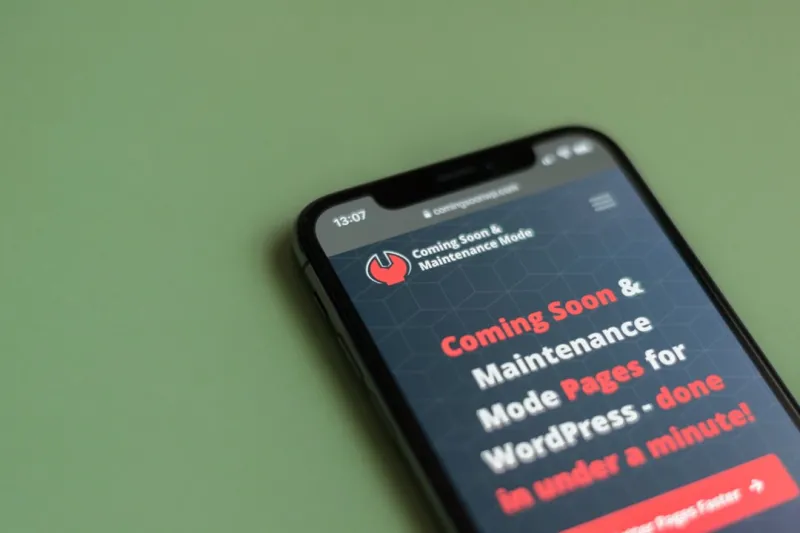
Sustainable Plugins: The Secret Sauce for WordPress in 2026
A deep dive into why sustainable plugins matter, how to choose and optimize them, and the emerging t... Read More

Plugging Into the Green Future: How Sustainable Plugins Are Reshaping the Web
Explore the rise of sustainable plugins, their impact on SEO and performance, and actionable steps t... Read More

Micro‑Plugins: The Tiny Extensions Driving Big SaaS Wins
Micro‑plugins let SaaS platforms stay lean while offering users precise, revenue‑generating exte... Read More
Top Posts

Eco‑Cleaning Hacks for Small Spaces: Upcycle, DIY, and Thrive
Learn how to turn kitchen scraps, reclaimed containers, and simple DIY recipes into powerful, eco‑friendly cleaners perfect for compact living spaces....Read More

The Quiet Power of Mental Fitness in SaaS Teams
A deep dive into why mental fitness matters for SaaS teams, practical habits to embed resilience, and how leaders can turn mental health into a strategic advant...Read More

From Data to Drama: Crafting Customer Success Stories That Sell
Learn how to transform ordinary customer success stories into narrative journeys using the Hero‑Customer Framework, blending data with emotion to captivate B2...Read More

The Hidden Anatomy of Modern Scams: Building a Scam‑Proof Culture
Scams have evolved from simple phishing emails to AI‑driven deep‑fakes and supply‑chain impersonations. This article explores the modern threat landscape ...Read More
0 Comments
Post Comment
You will need to Login or Register to comment on this post!