

Turning Everyday Kitchen Scraps into Potent Cleaners
Living in a compact city apartment forces me to get creative with every square inch, and that mindset spills over into my cleaning routine; I’ve learned that citrus peels, coffee grounds, and even old tea bags are not just waste—they’re the raw material for surprisingly effective, biodegradable cleaners. By simmering citrus zest with white vinegar for a few hours, I create a citrus‑vinegar spray that cuts grease, eliminates odors, and leaves a fresh scent without a single synthetic chemical, while a coffee‑ground paste works wonders on stubborn stovetop grime, turning what would be trash into a zero‑toxic powerhouse that protects both my health and the planet.
Upcycled Bottle Sprayers: The DIY Dispenser Revolution
One of the biggest frustrations for renters is the lack of permanent storage solutions, so I repurpose glass mason jars and cleaned spray bottles from old condiment containers to house my homemade cleaners, labeling each with a simple hand‑drawn tag that doubles as a reminder of the ingredients inside. This upcycling habit not only reduces plastic waste but also gives me a tactile connection to the cleaning process, letting me see the exact color and consistency of each solution—a small ritual that turns mundane chores into a mindful, eco‑friendly practice.
Plant‑Based Enzyme Boosters for Hard‑Water Areas
Hard water can leave mineral streaks on glass and tiles, but adding a splash of pineapple or papaya enzyme concentrate to my vinegar mix breaks down those deposits without the need for harsh acids; the natural enzymes act like microscopic cleaners, dissolving mineral buildup while being completely safe around pets and children. I blend the fruit pulp with a touch of baking soda, let it ferment for a day, then strain and store the liquid in my upcycled sprayer, creating a low‑cost, plant‑derived booster that keeps my bathroom sparkling without the environmental toll of commercial limescale removers.
Reusable Micro‑Fiber Cloths: The Sustainable Scrubber
Instead of disposable paper towels, I rely on a curated collection of micro‑fiber cloths in different textures—soft for dusting, medium‑grit for countertops, and a rougher weave for stubborn kitchen grime—each wash lasting hundreds of cycles thanks to their durable synthetic fibers that capture dirt far more efficiently than cotton. By rotating these cloths and washing them in a cold, eco‑friendly cycle, I cut down on landfill waste, lower my water usage, and keep my cleaning arsenal ready for any spill, all while feeling good about the reduced carbon footprint of each reuse.
Eco‑Friendly Floor Care with Reclaimed Wax
When my hardwood floors needed a refresh, I turned to reclaimed beeswax sourced from local beekeepers, melting it gently and mixing with a few drops of lavender essential oil to create a natural polish that restores shine and adds a subtle scent without synthetic additives. This method not only supports local agriculture but also forms a protective barrier that repels dirt, meaning I sweep less often and use less water—a win‑win for my apartment’s aesthetic and the planet’s resources.
Seasonal Scent Swaps Using Herbal Infusions
Rather than relying on synthetic air fresheners, I craft seasonal scent diffusers by steeping fresh herbs like rosemary, mint, or lavender in a base of distilled water and a splash of my citrus‑vinegar cleaner, then bottling the mixture in repurposed perfume sprayers for a quick mist that revitalizes the air naturally. This approach allows me to align my home’s aroma with the changing seasons, reduces chemical exposure, and turns everyday cleaning into an opportunity to celebrate the garden’s bounty, even when I’m confined to a balcony garden.
Zero‑Waste Laundry Boosters for Fresh, Clean Fabrics
My laundry routine now incorporates a DIY laundry booster made from washing soda, grated soap nuts, and a teaspoon of my enzyme concentrate, which together soften water, break down stains, and neutralize odors without the plastic‑laden detergent pods that dominate the market. By measuring the booster with a reusable scoop and adding it directly to the drum, I achieve bright, fresh linens while cutting my household’s plastic waste by a noticeable margin each month.
Linking Eco‑Cleaning to a Broader Sustainable Lifestyle
Adopting a zero‑waste mindset across all aspects of life creates a reinforcing loop—when you see the tangible benefits of homemade cleaners, you’re more likely to seek out other waste‑reduction opportunities, from wardrobe choices to food packaging, making each small habit compound into a larger environmental impact. This interconnected approach reminds me that eco‑cleaning isn’t an isolated task but a core pillar of a holistic, responsible lifestyle that resonates throughout every corner of my home.
Tech‑Enhanced Sustainability: Smart Sensors for Minimal Waste
Integrating affordable smart humidity sensors into my bathroom allows me to monitor moisture levels and trigger my enzyme‑infused spray only when needed, preventing over‑use of cleaning products and conserving water—a subtle blend of technology and tradition that feels surprisingly intuitive. By pairing these sensors with a simple IFTTT workflow, I receive a gentle notification on my phone, prompting a quick wipe before mold can set in, showcasing how modest tech upgrades can amplify the effectiveness of low‑impact cleaning routines.
Closing the Loop: Sharing Knowledge and Community Building
Finally, I’ve started a small neighborhood swap circle where we exchange surplus cleaning ingredients, upcycled containers, and recipe cards, turning what would be discarded into shared resources that foster community resilience and reduce collective waste. This collaborative spirit not only lightens my own environmental footprint but also inspires others to experiment, creating a ripple effect of greener homes that extends far beyond the walls of my own apartment.

Jessica Gills is a freelance writer carving a niche for herself by empowering others through her words. With a focus on careers, self-development, and business, she helps readers navigate the complexities of the modern professional landscape.
Related Posts
The Power of Eco-Cleaning: A Sustainable Approach to a Healthier Home
Learn how to make the switch to eco-cleaning and create a healthier, more sustainable home. Discover... Read More

Smart Sensors Meet Green Standards: Redefining Commercial Cleaning
A deep dive into how IoT sensors, analytics, and predictive insights can overhaul commercial cleanin... Read More
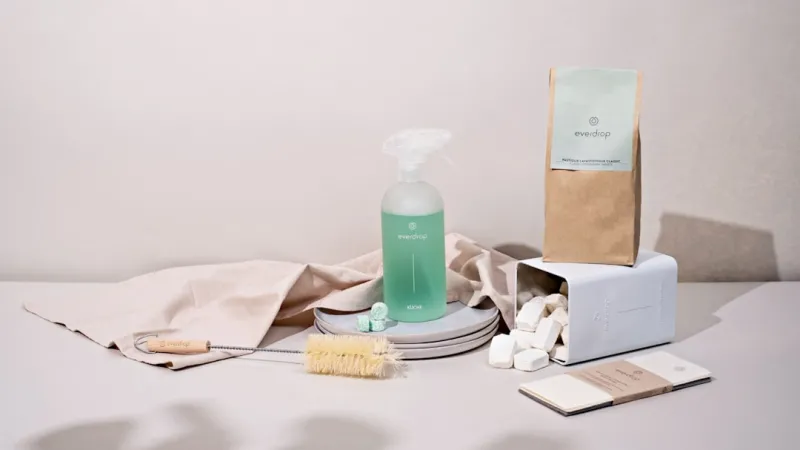
Eco‑Cleaning Made Simple: My Journey to a Greener Home
A personal guide to eco‑cleaning: swap chemicals for natural recipes, embrace reusable tools, and ... Read More
Top Posts

The Rise of Conversational Commerce on Social Platforms: Turning Chats into Closed Deals
Social media has evolved from a broadcast channel to a real‑time sales floor. Discover a step‑by‑step playbook that uses AI, low‑code tools, and decentr...Read More
The Plug‑In Playbook: Turning Your SaaS Into a Living Platform
Plugins can transform a static SaaS product into a dynamic, revenue‑generating platform. This playbook outlines architecture, security, monetization, and deve...Read More

Smartphone Trends That Empower a Sustainable Lifestyle
Discover how modern smartphones are reshaping sustainability, from eco‑friendly design to AI tools that nurture greener habits and community connections....Read More

Embracing Sustainable Living: Transforming Your Home into an Eco-Friendly Haven
Discover simple and cost-effective ways to make your home more eco-friendly. Learn how to adopt sustainable practices and reduce your environmental impact....Read More
0 Comments
Post Comment
You will need to Login or Register to comment on this post!