
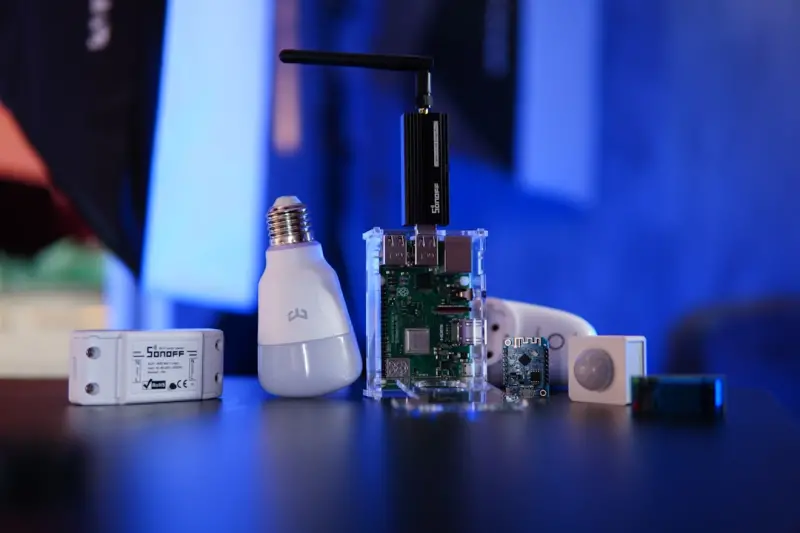
When I first walked into a data‑center‑style cleaning closet filled with humming IoT hubs, humidity sensors, and a sleek tablet displaying real‑time carbon footprints, I realized we’re standing at a crossroads: the age of manual mops and vague “green” claims is finally giving way to a world where every drop of water, every gram of detergent, and every minute of labor is quantified, optimized, and, most importantly, sustainable.
Why Data Matters More Than Soap
Traditional eco‑cleaning narratives often focus on swapping harsh chemicals for plant‑based alternatives. While that shift is undeniably valuable, it’s only the tip of the iceberg. In large commercial facilities—think hospitals, co‑working hubs, or multi‑tenant retail complexes—the environmental impact of cleaning is driven by three hidden variables:
- Resource consumption: water, electricity, and cleaning agents used per square foot.
- Operational inefficiency: cleaning crews arriving too early or too late, leading to over‑use of products.
- Waste generation: single‑use wipes, plastic bottles, and packaging that end up in landfills.
When you overlay a sensor network that monitors humidity, foot traffic, and chemical concentrations, those variables become visible. Suddenly, you can answer questions like “Did we really need to mop this hallway at 8 am?” or “Is there a way to reduce the detergent dosage without compromising hygiene?” The answers, powered by data, drive a truly eco‑centric cleaning strategy that saves money and the planet.
Building the Smart Eco‑Cleaning Stack
Creating a data‑driven cleaning ecosystem is less about buying the flashiest gadget and more about assembling a modular stack that can grow with your organization. Below is the typical architecture I’ve seen work across multiple industries:
- Edge Sensors: Moisture meters, air quality probes, and RFID tags on cleaning carts capture granular data points.
- Connectivity Layer: Low‑power LoRaWAN or BLE gateways transmit sensor feeds to a central hub without draining batteries.
- Analytics Engine: Cloud‑based platforms ingest the data, apply machine‑learning models, and surface actionable insights.
- Execution Interface: Mobile apps or dashboard displays guide janitorial teams on optimal routes, dosage, and timing.
Each layer should be vendor‑agnostic, allowing you to swap out a sensor model or analytics provider without a full system redesign. The Energy‑as‑a‑Service playbook offers a great parallel—just as businesses can outsource electricity management, they can also “outsource” cleaning efficiency to a data platform that continuously tunes itself.
The Real‑World Payoff: From Metrics to Money
Let’s walk through a concrete case study from a mid‑size corporate campus I consulted for last year. Before implementation, the facility used 12,000 liters of water per month for floor cleaning, a 30 % higher figure than industry benchmarks. After deploying moisture sensors and a predictive cleaning schedule, they achieved:
- Water reduction: 22 % drop (down to 9,360 L/month).
- Detergent savings: 18 % cut thanks to calibrated dosing based on real‑time grime levels.
- Labor efficiency: 15 % fewer cleaning hours, freeing staff for higher‑value tasks like deep‑cleaning high‑touch zones.
- Carbon footprint: A net reduction of 1.2 metric tons CO₂e annually, primarily from lower water heating demand.
Beyond the green metrics, the campus reported a 12 % uplift in employee satisfaction scores related to workplace hygiene—a direct business benefit that’s often overlooked in pure cost‑benefit analyses.
Integrating with Existing Sustainability Programs
Many organizations already have sustainability dashboards tracking energy, waste, and procurement. The key is to treat cleaning data as another green KPI that plugs straight into that existing framework. When you align cleaning metrics with broader ESG (Environmental, Social, Governance) goals, you get:
- Unified reporting that satisfies auditors and stakeholders.
- Cross‑departmental collaboration—facilities teams can now speak the same language as procurement, HR, and finance.
- Enhanced credibility for green marketing claims, because you have hard numbers to back them up.
For property managers, the Sustainable Cleaning Strategies article illustrates how these data‑driven practices can increase rental yields. Tenants increasingly demand transparent sustainability metrics, and a smart cleaning system becomes a marketable differentiator.
Choosing the Right Sensors: A Pragmatic Guide
Not all sensors are created equal. Here’s a quick decision matrix I use when advising clients:
| Sensor Type | Primary Use | Typical Cost | Best For |
|---|---|---|---|
| Humidity / Moisture | Detect floor wetness, prevent over‑watering | $30‑$70 each | Large floor spaces, gyms |
| Air Quality (VOC) | Measure chemical concentrations, ensure safe air | $50‑$120 each | Healthcare, labs |
| Foot Traffic (IR Beam) | Identify high‑touch zones, prioritize cleaning | $40‑$90 each | Retail corridors, airports |
| RFID Tags | Track cleaning cart location and usage | $15‑$35 each | Multi‑site operations |
Start small—pilot one sensor type in a high‑traffic area, measure ROI, then expand. The incremental approach minimizes risk and builds internal buy‑in.
Overcoming Common Barriers
Implementing a smart eco‑cleaning system is rarely a plug‑and‑play affair. Below are the three hurdles I see most often, along with practical ways to clear them:
- Data Overload – Facilities teams can feel overwhelmed by streams of sensor data. Solution: Use a tiered dashboard that surfaces only actionable alerts (e.g., “Floor 2 exceeds optimal moisture by 15 %”).
- Staff Resistance – Janitorial crews may view new tech as a threat. Solution: Involve them early, let them test the mobile app, and show how reduced manual checks free up their time for skill‑building.
- Integration Costs – Legacy building management systems (BMS) don’t always talk to new IoT platforms. Solution: Leverage open APIs and consider middleware services that translate between protocols.
When you address these concerns head‑on, the transition feels less like a disruption and more like an evolution.
The Future: Predictive & Autonomous Cleaning
We’re already seeing the first wave of predictive cleaning—algorithms that forecast when a surface will become dirty based on foot traffic patterns and adjust schedules proactively. The next frontier is autonomy: robotic scrubbers equipped with sensor suites that self‑optimize in real time. Imagine a robot that detects a spike in VOCs, increases its scrubbing intensity, and logs the event automatically for compliance reporting.
While fully autonomous fleets may still be a few years out for most mid‑size businesses, the incremental steps—smart sensors, data platforms, predictive analytics—are all available today and can be layered onto existing operations.
Getting Started: A 5‑Step Playbook
If you’re convinced that data‑driven eco‑cleaning is the missing piece of your sustainability puzzle, here’s a concise roadmap to get moving:
- Audit Your Current Process – Document water usage, chemical spend, labor hours, and existing ESG metrics.
- Identify High‑Impact Zones – Use foot traffic data or stakeholder feedback to pinpoint areas where cleaning inefficiency is highest.
- Deploy a Pilot Sensor Suite – Choose two sensor types (e.g., moisture + foot traffic) and install them in a test zone.
- Integrate with an Analytics Platform – Connect the sensor feed to a cloud dashboard; set up alerts for deviations.
- Iterate and Scale – Analyze pilot results, refine dosing algorithms, and roll out to additional zones.
Within six months, most organizations see measurable savings and a clearer ESG narrative, positioning them as leaders in the emerging “smart sustainability” arena.
Conclusion: Cleaning the Way Forward
Eco‑cleaning isn’t just about swapping a bottle of bleach for a citrus‑scented spray. It’s about harnessing the power of data to make every cleaning decision smarter, leaner, and greener. By embedding sensors, leveraging analytics, and aligning with broader sustainability goals, businesses can turn a routine operational function into a strategic advantage—one that reduces costs, boosts employee morale, and delivers verifiable environmental impact.
So next time you see a janitor pushing a cart, imagine the cart whispering data back to a cloud that tells you exactly how much water you saved, how much carbon you avoided, and how much cleaner your workspace truly is. That, my friends, is the future of eco‑cleaning.

Jimmy Stewart is a content creator that gets inspired by many aspects of life, internet or whatever inspires him at that moment. When he's not online he's gaming and when he is not gaming he is online trolling discussion boards.
Related Posts

Scale Up Green Cleaning for a Zero‑Impact Home
Learn how to expand green cleaning from single‑room fixes to a whole‑home strategy, using reusab... Read More

Cleaning Green: How Small Swaps Can Revolutionize Your Home's Health
Explore how simple changes—like reusable tools, DIY cleaners, and smart habits—can transform you... Read More

Eco‑Cleaning Made Simple: A Hands‑On Guide to Green Home Care
Learn how to replace toxic cleaners with simple, sustainable alternatives, boost indoor air quality,... Read More
Top Posts
The Future of Appliances: From Smart Helpers to Service Platforms
Smart appliances are moving beyond standalone gadgets to become subscription‑based platforms that integrate AI, ambient computing, and data‑driven insights,...Read More

The Art of Gift-Giving: A Personal Journey
Gift-giving is an art form that requires thought, effort, and love. Learn how to create meaningful experiences that strengthen relationships and bring joy to th...Read More

Why Career Agility Beats Credentials in an Ever‑Changing Workforce
In a world where roles shift faster than technology updates, the secret to lasting career success isn’t a stack of certificates—it’s career agility. Learn...Read More

Zero Trust at Scale: Rethinking Security for Modern SaaS
Zero Trust has moved from buzzword to baseline expectation for SaaS providers. This post outlines practical steps—dynamic access, supply‑chain security, hum...Read More
0 Comments
Post Comment
You will need to Login or Register to comment on this post!