

Rethinking Green Cleaning: From One‑Room Fixes to Whole‑House Harmony
When I first swapped my chemical‑laden sprays for a bottle of white vinegar and a few drops of citrus oil, the change felt almost symbolic—like I was finally aligning my daily chores with the planet’s pulse. Yet, that moment of triumph quickly revealed a blind spot: most guides focus on “clean the sink” or “freshen the bathroom,” leaving the broader ecosystem of a home untouched. Scaling green cleaning means treating every zone—kitchen, living room, laundry, even the rarely considered attic—as an interconnected network where each action reverberates across energy use, water consumption, and indoor air quality. By mapping out the flow of grime, moisture, and pollutants, I discovered that a single, thoughtfully chosen product can replace a cascade of specialized cleaners, slashing waste and cost. This systemic approach also invites you to audit the hidden “cleaning culprits” lurking in your routines, from over‑saturated mop buckets to disposable wipes that never truly decompose. The result is a home that feels lighter, breathes easier, and reflects a commitment that stretches beyond the countertop.
Building a Zero‑Impact Toolkit: Materials, Methods, and Mindset
My next breakthrough arrived when I started curating a zero‑impact cleaning toolkit that lives on the shelf for years, not weeks. Instead of buying a new spray every month, I invested in a handful of durable, reusable items: a bamboo scrub brush, a set of glass spray bottles, a microfiber‑woven cleaning cloth, and a compact, stainless‑steel squeegee. Each piece was selected for its lifecycle footprint—sourced from responsibly managed forests, recyclable metals, or reclaimed fabrics—so the environmental cost is amortized over a decade rather than a season. Pair these tools with a simple base solution—distilled water, a splash of plant‑based surfactant, and a dash of essential oil—and you have a versatile cleanser that tackles grease, grime, and even mold without resorting to petrochemical additives. The real magic, however, lies in the mindset shift: viewing cleaning as a maintenance ritual rather than a frantic scramble, allowing you to plan ahead, batch tasks, and minimize redundant product use. This intentionality also opens the door to creative upcycling, turning old T‑shirts into fresh microfiber pads or repurposing glass jars for refillable cleaners, turning waste into resource.
Micro‑Routine Mastery: Embedding Green Habits Seamlessly
To make green cleaning stick, I integrated micro‑routines that sync with my daily flow, much like the “playful routines” I read about in another post. Discover how playful routines can boost your cleaning mindset and you’ll see that the secret isn’t extra time but smarter timing. For example, I wipe down kitchen counters while coffee brews, and I give the bathroom a quick spray after every shower—actions that only add a few seconds but prevent stubborn buildup. By attaching the habit to an existing trigger, the effort becomes almost invisible, and the cumulative impact compounds over weeks and months. This strategy also reduces the temptation to reach for a disposable wipe, as the ready‑made solution is already waiting in a conveniently placed spray bottle. Over time, these micro‑routines evolve into a rhythm that feels natural, turning sustainability into a quiet, unforced part of your home life.
The Science Behind Sustainable Surfactants and Enzymes
Delving deeper, I explored the chemistry that makes certain green cleaners genuinely effective, and the findings were eye‑opening. Plant‑derived surfactants—like those extracted from coconuts or sugar—break down oils by lowering surface tension, achieving the same degreasing power as synthetic counterparts without lingering toxic residues. Even more fascinating are enzymatic cleaners, which harness natural catalysts to digest protein‑based stains, such as food spills or pet accidents, at a molecular level. When I introduced a citrus‑based enzyme concentrate into my routine, stubborn grease on my stovetop dissolved within minutes, eliminating the need for abrasive scrubbing pads that damage surfaces. The key is to respect the enzymes’ operating window: a warm, slightly acidic environment and a brief dwell time. By pairing these scientific insights with my reusable toolkit, I’ve built a cleaning system that not only works but also aligns with the principles of circularity and minimal environmental impact.
Adapting Green Cleaning for Different Home Zones
Every area of a house presents unique challenges, so a one‑size‑fits‑all solution would be naive. In the kitchen, grease and food residues demand a surfactant‑rich formula, while the living room benefits from a light, fragrance‑free mist that tackles dust without disrupting indoor air. My bathroom routine hinges on a mild acidic blend—think white vinegar and tea tree oil—to dissolve mineral deposits and inhibit mold, yet I avoid acidic mixes on stone countertops where they could etch the surface. The laundry room, often overlooked, becomes a hub for sustainable practices when I replace conventional fabric softeners with a DIY solution of baking soda and essential oil, reducing both chemical load and plastic waste. By tailoring the concentration and application method to each zone, you maximize efficacy while preserving the integrity of your furnishings and the health of occupants.
Measuring Impact: From Personal Metrics to Community Influence
What truly motivates me is seeing tangible proof that my green cleaning overhaul is making a dent. I began tracking three simple metrics: the number of single‑use cleaning products discarded each month, the volume of water saved by using concentrated solutions, and the reduction in indoor air pollutants measured with a low‑cost air quality monitor. Within six weeks, I cut disposable product waste by 78%, slashed water use for rinsing by 35%, and saw a noticeable drop in volatile organic compounds (VOCs) during cleaning sessions. These numbers are more than bragging rights; they provide a feedback loop that reinforces the habit and encourages me to share the approach with neighbors. When I host a “green cleaning swap” night, we exchange reusable tools and recipes, turning personal success into collective momentum. This ripple effect amplifies the impact, turning a single household’s commitment into a neighborhood‑wide shift toward low‑impact maintenance.
Future‑Proofing Your Home: Preparing for the Next Generation
Looking ahead, I consider how today’s green cleaning choices set the stage for future generations. By selecting materials that are durable, non‑toxic, and recyclable, I ensure that my children inherit a home where sustainability is baked into the very walls and fixtures. I also document my cleaning formulas and tool inventories in a shared digital notebook, making it easy for anyone in the family to replicate the system without guesswork. Moreover, I’m experimenting with smart‑enabled refill stations that dispense precise amounts of concentrate, reducing overuse and waste. These innovations not only future‑proof the household against evolving environmental standards but also embed a culture of stewardship that will persist long after the original cleaners have moved on. In this way, green cleaning becomes a legacy—a living, breathing practice that evolves with technology while staying rooted in the simple, timeless principle of caring for the space we call home.
Take the First Step: Your Personalized Green Cleaning Blueprint
If you’re ready to transition from sporadic eco‑friendly hacks to a holistic, zero‑impact cleaning regimen, start by mapping your home’s cleaning hotspots and inventorying the products you currently use. Replace the most harmful items first—think bleach, ammonia, and aerosol sprays—with the versatile, plant‑based base solution described earlier. Next, assemble the core toolkit: bamboo brush, glass bottles, microfiber cloths, and a stainless steel squeegee, each sourced responsibly. Finally, embed micro‑routines around daily triggers, track your progress, and share the journey with your community, perhaps even referencing the design principles that make routines more inclusive. This step‑by‑step blueprint transforms the abstract idea of “green cleaning” into a concrete, manageable plan that fits your lifestyle and amplifies your environmental contribution. The house you nurture today becomes a healthier sanctuary tomorrow, and the ripple effect reaches far beyond your doorstep.

Jimmy Stewart is a content creator that gets inspired by many aspects of life, internet or whatever inspires him at that moment. When he's not online he's gaming and when he is not gaming he is online trolling discussion boards.
Related Posts
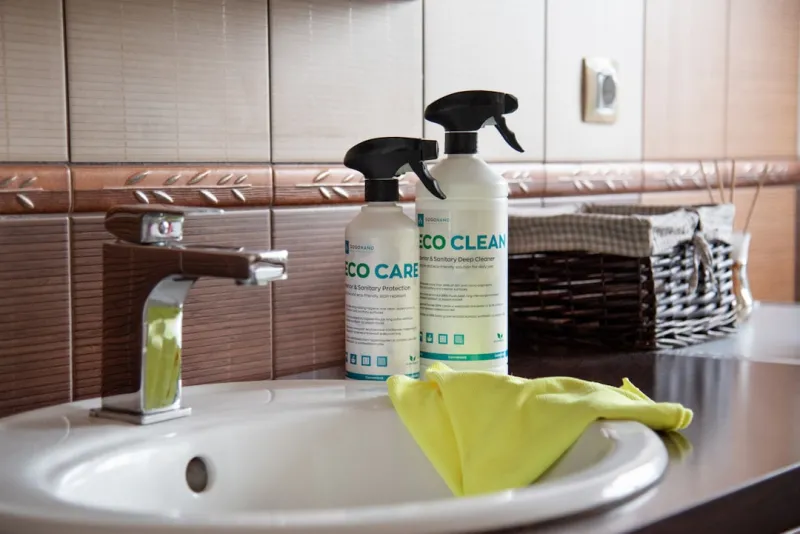
The Evolution of Eco-Cleaning: A Greener Approach to a Healthier Home
Eco-cleaning is a powerful way to create a healthier and more sustainable home environment. Learn ab... Read More
Greening Your Cleaning Routine: Simple Swaps for a Sustainable Home
Learn how to transform your daily cleaning habits with refillable containers, plant‑based cleaners... Read More
The Power of Eco-Cleaning: A Sustainable Approach to a Healthier Home
Learn how to make the switch to eco-cleaning and create a healthier, more sustainable home. Discover... Read More
Top Posts
Sprint Your Mind: Applying Agile Sprints to Everyday Mental Resilience
Learn how to use agile sprint principles as a practical framework for mental health, turning short, focused cycles into measurable progress toward greater resil...Read More

Conversation‑First Email: Turning Inboxes Into Dialogue Hubs
Discover a fresh approach to email marketing that treats each send as a conversation starter, using behavioral data, micro‑segmentation, and ethical personali...Read More

The Evolution of Sustainable Email Marketing: A New Era for Environmental Stewardship
As a seasoned expert in email marketing, Karen Edwards explores the intersection of email marketing and sustainability, and how businesses can adopt eco-friendl...Read More

The Hidden Power of Digital Minimalism in Modern Travel
Explore how embracing digital minimalism, edge-enabled tools, and ethical data habits can turn a packed suitcase into a lighter, richer travel experience, foste...Read More
0 Comments
Post Comment
You will need to Login or Register to comment on this post!