
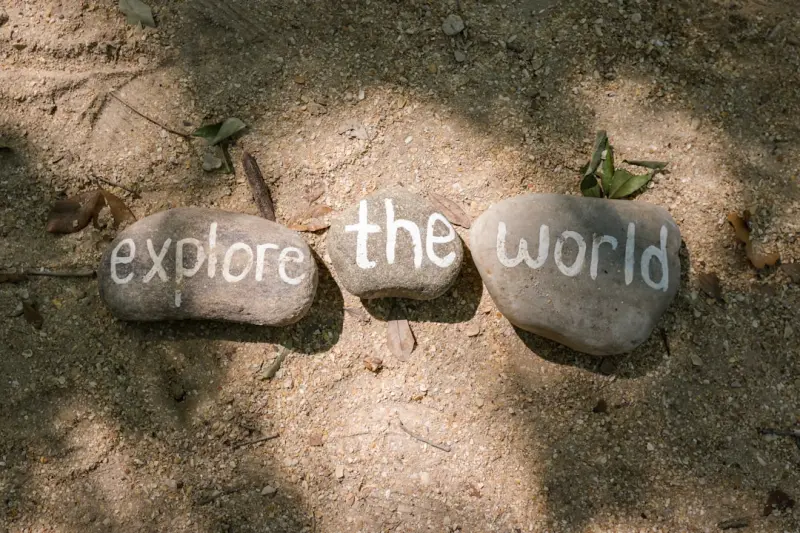
Why Travel Should Be a Full‑Body Experience
When I first set foot on the bustling streets of Marrakech, I expected the usual checklist: iconic landmarks, Instagram‑worthy backdrops, a handful of must‑try dishes. Instead, I was swept away by the sound of market vendors calling out their wares, the texture of hand‑woven rugs beneath my fingers, and the faint perfume of orange blossoms that seemed to linger in the air long after I left. That moment taught me travel isn’t just about seeing new places—it’s about feeling them with every sense.
The Flavor Frontier: Eating Your Way Through Culture
Food is the most obvious gateway to a new culture, yet most travelers treat meals as a quick refuel rather than a lesson in history. When you sit down at a street‑food stall in Bangkok, you’re not just tasting pad thai; you’re tasting centuries of trade routes, colonial influences, and local ingenuity. To truly honor the culinary story, ask the chef about the origins of each spice, watch the preparation rituals, and notice the subtle variations in texture that differentiate a handcrafted dumpling from its mass‑produced counterpart.
On a recent trip to Oaxaca, I joined a community cooking class where each participant was handed a piece of corn masa. The act of grinding the corn by hand, feeling the gritty grains turn silky smooth, made me appreciate the labor that goes into every tortilla. That tactile connection transformed a simple meal into an unforgettable cultural immersion.
Listening to Places: The Soundtrack of a Destination
We often think of travel as a visual medium, but sound is an equally potent storyteller. The rhythmic clatter of a Japanese train, the distant call to prayer echoing across Istanbul’s skyline, or the gentle lapping of waves against a Mediterranean pier—all these audio cues frame our mental map of a place.
One technique I’ve adopted is the “audio diary.” Before setting off each day, I pause for a minute to close my eyes and take note of the ambient noises: the hum of a bustling café, the chirping of cicadas at dusk, the distant rumble of a construction site. Later, when I revisit photos, those sounds resurface, adding depth to the visual memory.
Touch and Texture: The Unseen Layers of Exploration
Touch often takes a back seat in travel narratives, yet it can reveal the soul of a locale. Walking barefoot on the sandy dunes of the Sahara, feeling the cool marble of a Roman column, or running your fingers along the intricate carvings of a Maori meeting house—each tactile experience anchors you to a moment that photographs can’t capture.
To cultivate this sense, I encourage fellow travelers to carry a small, smooth stone or a piece of fabric from their home country. When you encounter a new texture abroad, compare it with your familiar object. This simple exercise turns an abstract sensation into a concrete memory.
The Power of Smell: Aromas as Time Machines
Scents have a direct line to the brain’s memory center, making them incredibly effective at preserving travel moments. The smell of rain on a terracotta roof in Lisbon, the sweet perfume of blooming cherry blossoms in Kyoto, or the sharp tang of sea salt on a coastal hike—these aromas become mental bookmarks that transport you back instantly.
When I visited a spice market in Marrakech, I bought a tiny pouch of dried rose petals. A few weeks later, opening the pouch in my apartment released the same floral wave that had greeted me at the market entrance, instantly recalling the vibrant colors, the chatter of merchants, and the sun‑kissed alleyways.
Designing a Sensory Itinerary
Creating a travel plan that engages all senses requires intentionality. Here’s a quick framework I use:
- Identify Signature Experiences: Research the unique flavors, sounds, textures, and scents of your destination. Look beyond the guidebooks—local blogs and podcasts often highlight hidden sensory gems.
- Allocate “Sensory Slots”: Instead of packing a day with back‑to‑back attractions, reserve time for slow, immersive activities: a market stroll, a beach sunrise, a hands‑on craft workshop.
- Equip Yourself: Bring a lightweight notebook, a small recorder, and a compact camera that can capture macro details. These tools help you capture fleeting aromas or textures that you might otherwise forget.
- Reflect Daily: At night, revisit your sensory notes and match them with photos. This reinforces memory pathways and makes the experience more vivid.
Tech Meets Sensory Travel
Modern mobility solutions are reshaping how we experience destinations. For instance, car subscription services let travelers swap vehicles based on terrain—an SUV for mountain roads one day, a compact electric for city cruising the next—allowing you to tailor your mode of transport to the sensory vibe you seek.
Airports, once merely transitional spaces, are evolving into cultural micro‑hubs. By engaging in airport networking events, you can discover local musicians performing in lounges, taste pop‑up food stalls that showcase regional specialties, and even sample traditional textiles through pop‑up exhibitions. This transforms layovers into mini‑sensory expeditions.
Case Study: A Sensory Journey Through Portugal
Last autumn, I embarked on a two‑week adventure across Portugal with a sensory lens. Here’s how each sense guided my itinerary:
- Taste: I joined a small‑batch port wine tasting in the Douro Valley, learning the subtle differences between vintages by swirling the liquid against the glass and inhaling the aroma before sipping.
- Sound: In Lisbon’s Alfama district, I attended a fado house where the mournful guitar strings narrated stories of love and loss—an auditory immersion that deepened my appreciation for the city’s history.
- Touch: Walking along the rugged cliffs of the Algarve, I felt the cool Atlantic wind against my skin and the gritty sand slipping between my toes, grounding me in the raw beauty of the coastline.
- Smell: A morning stroll through the lavender fields of the Alentejo region filled the air with a soothing fragrance that lingered long after I left, becoming a fragrant reminder of the region’s tranquility.
By the end of the trip, I wasn’t just a tourist who had checked off a list of sights—I was a participant in a multi‑sensory tapestry that stayed with me long after my return.
Practical Tips for the Sensory Explorer
- Pack Light, Pack Smart: Include a small journal, a travel‑size fragrance sampler, and a compact pair of binoculars for distant sound‑scapes (like bird calls).
- Engage Locals: Ask residents about their favorite sounds or smells in the city. Their recommendations often lead you to hidden cafés, markets, or gardens that aren’t in any travel guide.
- Mind the Season: Sensory experiences can vary dramatically with weather. A summer night in Marrakech offers a different auditory palette than a rainy monsoon in Kerala.
- Stay Present: Turn off notifications during your sensory activities. Allow your mind to absorb the experience without digital distractions.
Conclusion: Travel as a Five‑Senses Celebration
Travel isn’t merely about the snapshots you post on social media; it’s about the lingering taste of a regional spice, the echo of a distant chant, the grit of ancient stone under your fingertips, and the perfume of a blooming garden that stays with you long after you’ve boarded the plane home. By intentionally weaving these sensory threads into your itinerary, you transform ordinary trips into unforgettable narratives that live in your body, not just your memory.
So the next time you plan a getaway, ask yourself: What will you feel, hear, taste, touch, and smell on this journey? Let those answers guide your route, and you’ll discover a world that’s richer, deeper, and far more vibrant than any postcard could ever convey.

Mei Chen is a dynamic professional who brings a unique blend of skills to Blogging Fusion. As a key contributor to the Blogging Fusion platform, she leverages her writing expertise to create engaging content that resonates with our audience.
Related Posts

Wandering Workspaces: Curating Your Mobile Office for Creative Freedom
Explore the art of crafting a portable workspace that blends productivity with wanderlust, using min... Read More
Taste the World: Mapping Flavors on Foot
Explore a new travel mindset that lets your palate lead the way. From AI‑guided market finds to ze... Read More
Wanderer’s Whisper: How Tiny Journeys Redefine the Art of Travel
Discover the power of micro‑adventures, sound‑scapes, and mindful travel practices that turn eve... Read More
Top Posts
Deepfake Threats: The Next Wave of Online Safety Risks
Deepfakes are reshaping online safety by forging realistic video and audio, targeting businesses with sophisticated social engineering. This article explores de...Read More
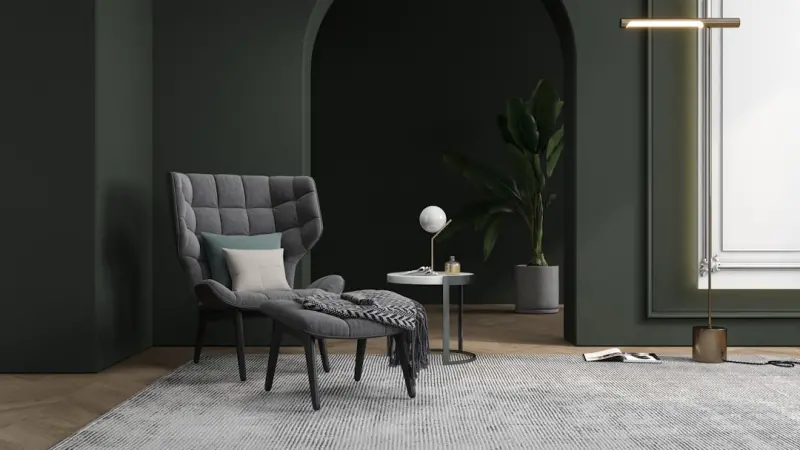
Design Secrets for Small Spaces: Color, Light & Texture
Learn the art of elevating tiny apartments using bold hues, tactile depth, smart lighting, and eco‑friendly pieces that adapt to your lifestyle and keep your ...Read More
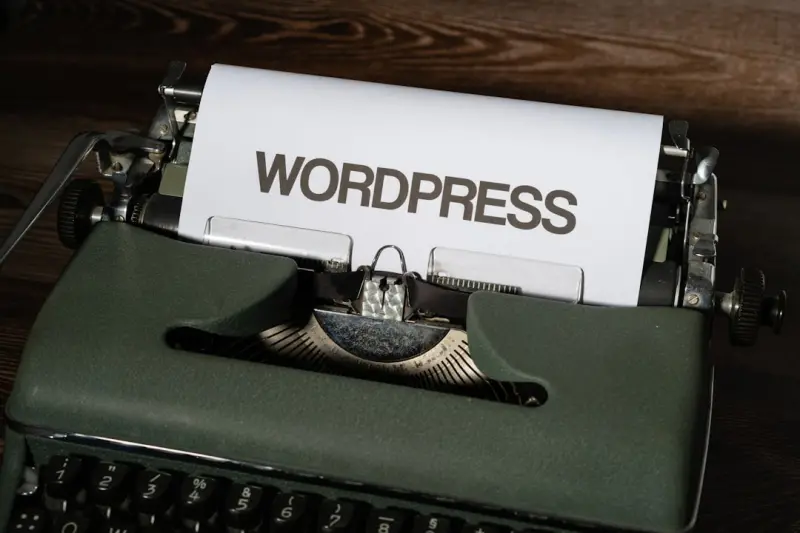
The Blog as Narrative Engine: Turning Content into a Growth Story
Discover a fresh approach to SaaS blogging that treats each post as a chapter in a larger story, integrates product roadmaps, leverages data, and creates a comm...Read More
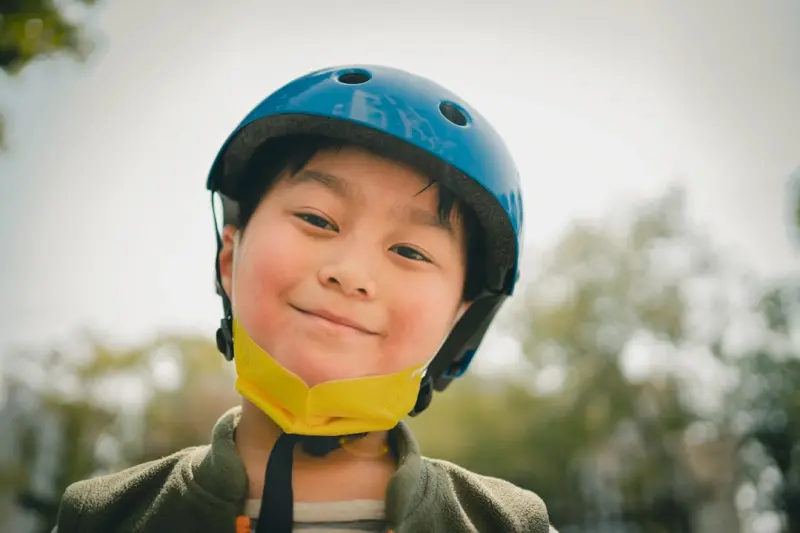
Smart Safety Gear: Empowering Kids to Play Confidently
Smart safety gear blends physical protection with real‑time digital alerts, offering parents peace of mind and kids the confidence to explore. This post dives...Read More
0 Comments
Post Comment
You will need to Login or Register to comment on this post!