
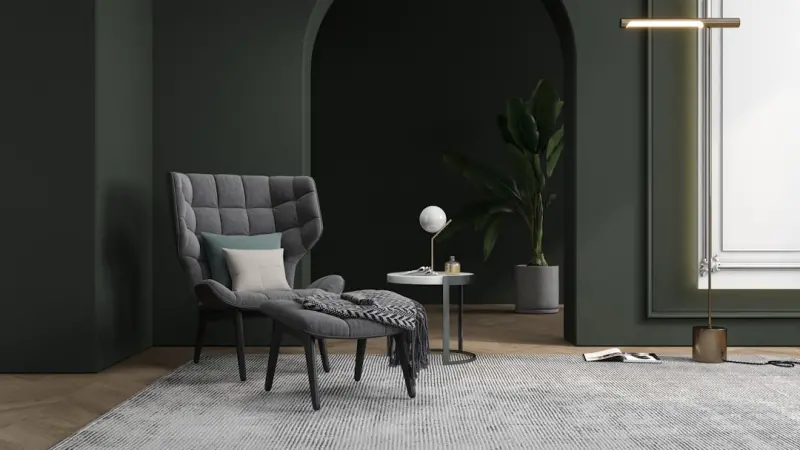
Beyond Aesthetic: The Hidden Layers That Define an Interior
When I first walked into a loft that felt both expansive and intimate, I realized that true interior mastery goes far beyond surface décor. It’s the subtle interplay of psychology, materiality, and daily rhythm that transforms a room from merely functional to genuinely resonant. In my design practice, I chase those invisible threads, weaving them together so the space tells a story before a single piece of furniture is placed.
Color Psychology in Compact Spaces
Color is the most immediate emotional cue a room offers, and in small apartments it can either amplify confinement or expand perception. By selecting a calibrated palette—think muted teal paired with warm sand—I create a backdrop that calms the mind while subtly urging the eye outward, tricking the brain into sensing greater breadth. I often recommend a single bold accent, like a deep terracotta wall, to anchor the space and give residents a personal focal point that feels both daring and grounding.
Texture Tactics for Depth Without Clutter
Layered textures act like visual footnotes, adding richness without demanding additional floor area, which is crucial when square footage is at a premium. A plush, woven rug under a sleek concrete coffee table introduces softness that invites touch, while a matte ceramic vase beside a brushed‑metal lamp creates a contrast that catches the light in nuanced ways. By strategically mixing tactile surfaces—soft linen, reclaimed wood, and subtly patterned wallpaper—you achieve a three‑dimensional feel that keeps the eye roaming and the mind engaged.
Light as a Design Material
Natural light is the most generous designer’s tool, yet many urban dwellers underestimate how to harness it effectively within cramped layouts. Positioning reflective surfaces—such as a glossy sideboard or a mirrored gallery wall—near windows bounces daylight deeper into corners, eliminating shadows that can make rooms feel boxed in. Complementary to daylight, layered artificial lighting—ambient overhead fixtures, task‑focused desk lamps, and soft accent LEDs—creates a dynamic environment that shifts with the day, ensuring the space remains vibrant from sunrise to night.
Sustainable Choices That Don’t Compromise Style
Eco‑friendly design has moved past the niche of reclaimed furniture; it now informs every decision, from low‑VOC paints to responsibly sourced textiles. Opting for bamboo flooring, for example, offers a light‑colored, durable surface that visually lifts a room while delivering a renewable footprint. Pairing such materials with timeless silhouettes—like a mid‑century wooden chair—means the pieces age gracefully, reducing the need for frequent replacement and keeping the aesthetic fresh for years to come.
Adaptive Furniture for Fluid Living
In a world where remote work, hobbies, and social gatherings co‑exist under one roof, furniture must be as versatile as the lifestyle it serves. Modular sofas that can be reconfigured into a chaise or split into individual seats empower residents to tailor their environment to daily needs without purchasing multiple pieces. Likewise, wall‑mounted fold‑away desks and nesting tables free up floor space when not in use, preserving the open‑feel that many small‑space dwellers crave.
Personal Storytelling Through Curated Details
Every object we place in a room carries a narrative, and when curated thoughtfully, these stories stitch together a cohesive identity for the home. I love integrating travel‑sourced ceramics, heirloom textiles, or a vintage map framed above a console, each item whispering a chapter of the inhabitant’s journey. For deeper inspiration on weaving narrative into interiors, explore Transform Your Home Into a Storytelling Sanctuary, which showcases how personal artifacts can become focal points that elevate design beyond aesthetics.
Digital Tools for Real‑World Layout Experiments
Before moving a single piece, I turn to augmented‑reality apps and plugin‑enhanced design platforms that let me visualize spatial arrangements in real time. These tools simulate lighting shifts, material finishes, and even the way shadows will play across textured walls, reducing costly trial‑and‑error on the floor. To dive deeper into leveraging such technology, check out Unlocking the Hidden Power of Plugins for Modern Workflows, which outlines how plugins can streamline the design process from concept to execution.
Conclusion: A Blueprint for Ever‑Evolving Interiors
The most rewarding interiors are those that adapt, tell a story, and nurture well‑being without sacrificing style. By embracing strategic color choices, tactile layering, intelligent lighting, sustainable materials, and flexible furnishings, you create a living canvas that grows with you. Remember, great design is a living experiment—continually refined, always personal, and forever inviting you to feel at home wherever you are.

Brad Hays is a freelance writer known for his versatile skill set and ability to craft compelling content across a wide range of industries.
Related Posts
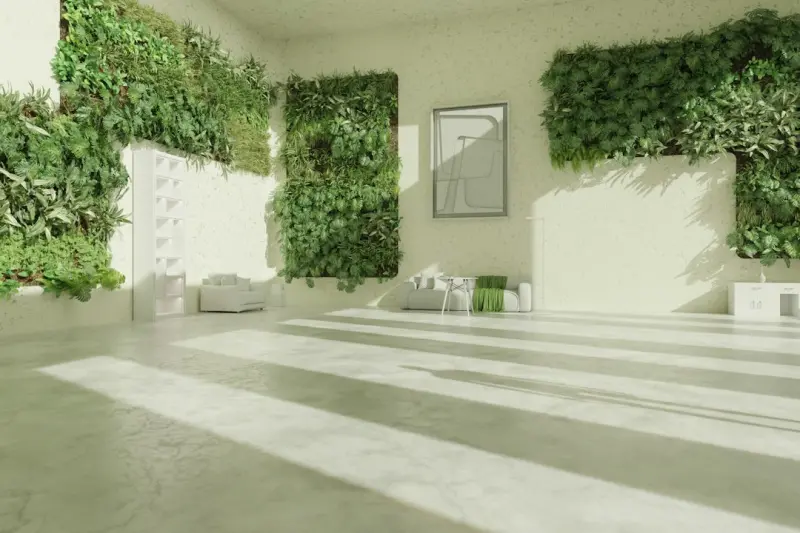
How Adaptive Biophilic Design is Transforming Home Offices
Adaptive biophilic design integrates smart lighting, responsive plant systems, and mood‑tracking t... Read More
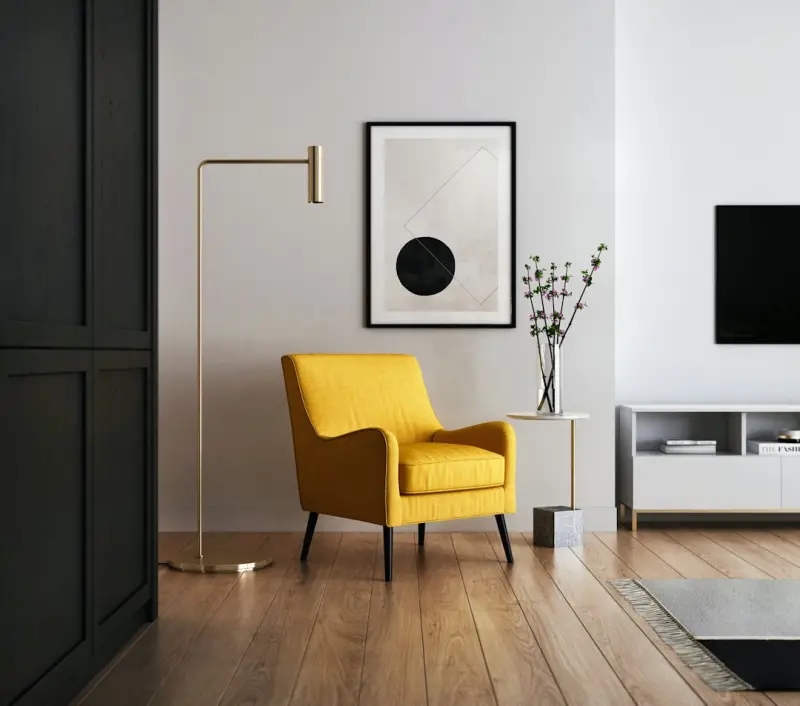
Designing for Neurodiversity: Spaces That Think With You
A deep dive into neuro‑inclusive interior design, highlighting modular layouts, acoustic zoning, v... Read More
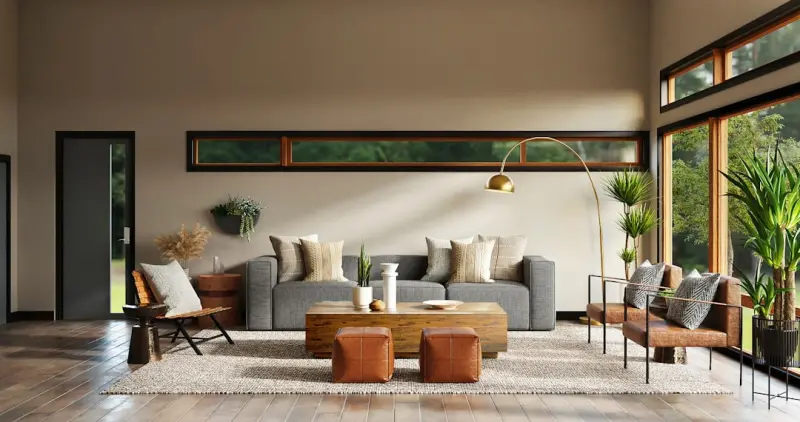
Designing Home Spaces for Neurodivergent Minds
A deep dive into designing interiors that honor neurodiversity, covering sensory-friendly lighting, ... Read More
Top Posts

Parenting in the Digital Age: Turning Chaos into Confidence
Learn how to transform modern parenting challenges into growth opportunities with humor, voice‑first tools, a family knowledge hub, and community time‑banki...Read More
Designing for the Senses: A Multi‑Sensory Approach to Interior Spaces
A deep dive into multi‑sensory interior design, showing how strategic use of sound, scent, texture, lighting, and nature can transform homes and offices into ...Read More

Precision SEM for SaaS: From Intent to Account‑Based Bidding
A step‑by‑step guide shows how SaaS marketers can move beyond basic keyword bidding, using intent signals, predictive AI, and account‑based SEM to drive q...Read More

Why Developer Experience Is the New Battleground for Software Success
Developer Experience (DevEx) has become a strategic differentiator, impacting talent retention, product velocity, and overall software quality. This post outlin...Read More
0 Comments
Post Comment
You will need to Login or Register to comment on this post!