
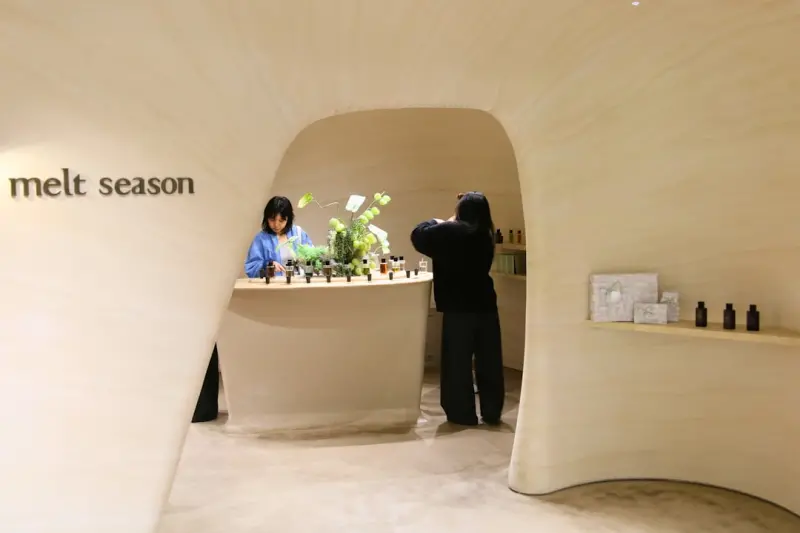
Why the Senses Matter in Interior Design
When I first stepped into a showroom that smelled of fresh pine, played a soft ambient hum, and invited me to run my hand over a velvet‑soft sofa, I realized I was experiencing interior design on a whole new level. It wasn’t just about visual appeal or the latest trend in color palettes; it was about how the space felt on every level of perception. In the age of remote work, hybrid offices, and ever‑changing home routines, designers who can orchestrate a multi‑sensory experience are the ones who truly stand out.
The Science Behind Sensory Design
Our brains process more than just sight. Auditory, olfactory, tactile, and even gustatory cues can influence mood, productivity, and health. Studies in environmental psychology show that:
- Soundscapes with low‑frequency ambient noise can lower stress hormones.
- Natural scents like lavender or eucalyptus boost focus and reduce anxiety.
- Texture matters; soft fabrics encourage relaxation, while rough surfaces can stimulate alertness.
- Lighting that mimics daylight supports circadian rhythms, improving sleep quality.
By weaving these elements together, interior design becomes a catalyst for well‑being rather than a mere backdrop.
1. Curating Sound: The Quiet Power of Acoustic Design
Most people think of acoustics only when they encounter echoey conference rooms or noisy open‑plan offices. Yet sound is a design tool you can shape from the ground up. Start with:
- Material selection: Acoustic panels made from recycled denim or cork absorb unwanted chatter while adding texture.
- Strategic placement: Positioning soft furnishings—rugs, upholstered chairs, heavy curtains—creates “sound islands” that buffer surrounding noise.
- Intentional soundscapes: Subtle water features, low‑frequency drones, or curated playlists can set a tone for focus or relaxation.
For example, a home office with a wall of reclaimed wood covered by a thin layer of acoustic foam can transform a bustling kitchen view into a serene zone, allowing you to dive deep into creative work without the constant pull of background noise.
2. The Nose Knows: Harnessing Scent to Shape Mood
Scent is a powerful, often overlooked design dimension. While many resort to generic air fresheners, a more thoughtful approach can elevate a space:
- Natural diffusers: Ceramic or terracotta diffusers with essential oils release subtle aromas that linger without overwhelming.
- Living elements: Incorporating fragrant plants—like jasmine, rosemary, or lemon balm—adds a dynamic, ever‑changing scent profile.
- Material‑based aromas: Certain woods (cedar, sandalwood) naturally emit calming scents that persist for years.
When I introduced a lavender‑scented bamboo mat in a client’s meditation corner, the space instantly became a sanctuary. The scent reduced her cortisol levels during her daily mindfulness practice, a subtle but measurable impact.
3. Touch Matters: Textures That Speak Volumes
Touch is the most direct sense, and it tells a story about comfort, luxury, and functionality. To design tactilely aware interiors:
- Layered textures: Combine smooth stone countertops with rough‑hewn wooden stools and plush cushions. The contrast invites exploration.
- Responsive fabrics: Use smart textiles that adapt temperature—cooling linen for summer, heated wool for winter—to maintain comfort year‑round.
- Interactive surfaces: Touch‑responsive LED panels that change color with a swipe can turn a wall into a playful interface.
In a recent project, I specified a reclaimed pine desk paired with a leather writing pad. The warmth of the wood juxtaposed with the cool, smooth leather sparked a sensory dialogue that made the client linger longer at his desk, ultimately boosting his daily output.
4. Light as a Living Element
Lighting isn’t just about illumination; it’s about rhythm. The right light can mimic sunrise, enhance focus, and even improve skin health. Here are three strategies:
- Dynamic lighting systems: Automated fixtures that shift from cool, bright light in the morning to warm, amber tones in the evening support circadian health.
- Natural light maximization: Floor‑to‑ceiling windows, skylights, and interior glass walls bring daylight deep into the space.
- Accent lighting for mood: Hidden LED strips behind shelving or under countertops create a gentle glow that can be tuned for relaxation or alertness.
A coworking space I designed recently used a combination of daylight‑harvesting glass and programmable pendant lights. Users reported feeling more energized during morning sessions and calmer during late‑evening brainstorming.
5. Bringing Nature Inside: The Biophilic Boost
Biophilic design—integrating nature into built environments—has moved beyond decorative plants to become a core design philosophy. One especially powerful approach is the small urban garden concept, where a dedicated green corner serves as both visual anchor and air purifier.
Consider these elements:
- Living walls: Moss panels or vertical herb gardens not only look stunning but also regulate humidity.
- Water features: A minimalist tabletop fountain adds a soothing auditory layer while increasing ambient humidity.
- Natural materials: Stone, reclaimed wood, and raw bamboo bring tactile authenticity to a space.
When a client in a high‑rise apartment installed a 6‑foot living wall of succulents and ferns, she noted a marked reduction in perceived stress and a clearer mental focus during her remote workday.
6. The Role of Sustainable Materials in Sensory Design
Eco‑friendly choices aren’t just good for the planet; they often enhance sensory experiences. Materials such as smart chemistry-treated fabrics and low‑VOC paints improve indoor air quality, allowing scents and textures to shine without interference from pollutants.
For example, using a natural, plant‑based finish on a concrete floor yields a subtle earthy aroma that evolves as the room ages. Pair this with a low‑VOC, pigment‑rich paint that releases no harmful fumes, and you create a space that feels alive, clean, and safe.
7. Technology as an Invisible Hand
Modern interiors can subtly incorporate technology to enhance sensory perception without looking “high‑tech.” Think of:
- Smart scent diffusers: Controlled via an app, they release fragrances in sync with the time of day.
- Acoustic panels with embedded speakers: Deliver ambient sounds that adapt to occupancy sensors.
- Temperature‑responsive textiles: Fabric that warms when you sit, cooling when you stand.
The key is to keep the tech behind the scenes, allowing the senses to be the star.
8. Practical Steps to Start Your Multi‑Sensory Redesign
If you’re ready to transform a space, begin with a sensory audit:
- Visual: Assess lighting, color, and spatial flow.
- Auditory: Identify noise sources and opportunities for soft sound.
- Olfactory: Choose a signature scent—natural or diffused—that aligns with the room’s purpose.
- Tactile: Introduce varied textures through upholstery, flooring, and accessories.
- Environmental: Integrate plants, water, and sustainable materials.
From there, prioritize one sense per week. Start with lighting, then move to scent, then texture, and so on. This incremental approach prevents overwhelm and lets you measure the impact of each change.
Case Study: The “Creative Cocoon” Home Office
One of my favorite projects was a freelance graphic designer’s home office, which I called the “Creative Cocoon.” The brief was simple: a space that sparks ideas while calming the mind. Here’s how I applied a multi‑sensory strategy:
- Sound: Installed acoustic ceiling tiles and a low‑profile white‑noise machine that mimics gentle rain.
- Scent: Placed a rosemary‑infused diffuser on the desk, a scent known to enhance memory.
- Touch: Chose a deep‑grain reclaimed wood desk paired with a hand‑woven wool rug underfoot.
- Light: Integrated tunable LED strips under shelving that shift from cool daylight to warm amber as the day progresses.
- Nature: Added a small herb garden on the windowsill, providing both visual greenery and fresh herbs for cooking breaks.
The result? A 30% increase in project turnaround speed reported by the client, alongside a noticeable uplift in mood. The space became a place he looked forward to entering each morning, rather than just another “work zone.”
Future Trends: Sensory‑First Design as the New Standard
As remote work continues to blur the lines between home and office, the demand for spaces that nurture the whole person will skyrocket. Designers who can blend biophilic elements, smart technology, and sustainable materials into a harmonious sensory experience will lead the next wave of interior innovation.
Imagine a future where your living room knows when you’re stressed and automatically adjusts lighting, plays a calming soundscape, and releases a soothing lavender mist—all without you lifting a finger. That future is already being prototyped, and it’s within reach for anyone willing to think beyond the visual.
Takeaway
Interior design is evolving from a visual art into a full‑body experience. By intentionally curating sound, scent, texture, light, and nature, you can create environments that don’t just look good—they feel good, think good, and even perform good. The next time you step into a room, ask yourself: what am I hearing, smelling, touching, and seeing? If the answer feels balanced, you’ve cracked the code of multi‑sensory design.

Freelance writer with a flare for everything. I am passionate about topics I write crafting stories and compelling content that connect with audiences. Journeying through the realms of creativity as a freelance creator. #WriterLife #ContentCreator
Related Posts
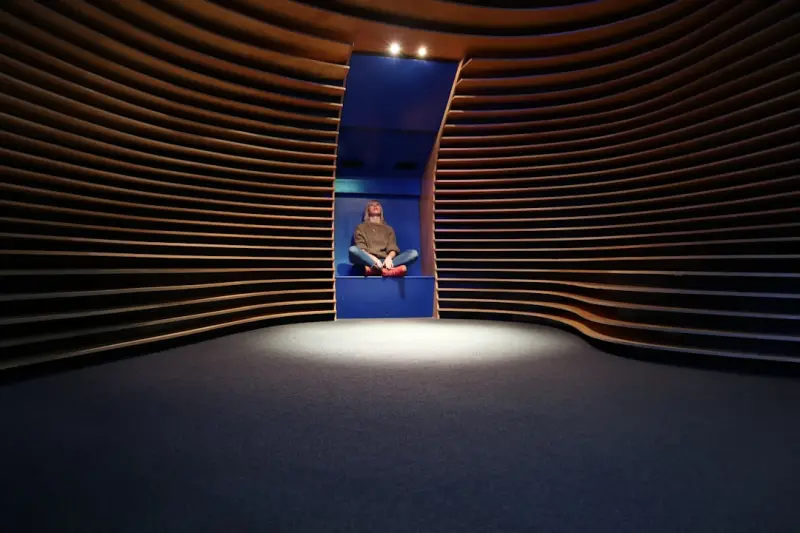
Silence by Design: Crafting Acoustic Wellness in Modern Interiors
A deep dive into acoustic wellness reveals how thoughtful sound management—through materials, tech... Read More
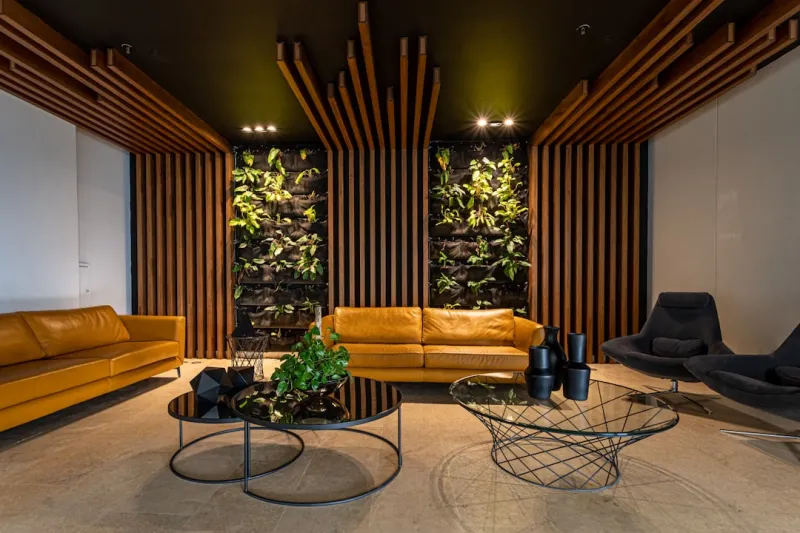
The Intersection of Interior Design and Sustainability: A New Era for Homes
The interior design industry is embracing sustainability, and for good reason. Learn how sustainable... Read More
The Rise of Sensory‑Driven Spaces: Designing Interiors for Well‑Being and Focus
Discover the emerging trend of sensory‑driven interior design, where light, sound, texture, scent,... Read More
Top Posts

Reclaiming Calm: How Small Daily Rituals Transform Workplace Well‑Being
A practical guide to using micro‑rituals—like brief breathing exercises, hydration pauses, and micro‑movements—to improve mental health and productivity...Read More

Decoding the Silent Language of Your Garden: A Gardener’s Guide to Plant Communication
Learn how to interpret the subtle signals plants send—from leaf changes to soil cues—and turn those insights into a thriving, resilient garden....Read More

Carbon‑Aware Networking: Making the Internet Greener Without Slowing It Down
The post explains how measuring and optimizing the internet’s carbon footprint—through edge computing, renewable‑aware routing, and carbon‑transparent S...Read More

Trending Tools That Are Redefining Sustainable Workflows in 2026
Explore the latest sustainable tools reshaping digital workflows in 2026, from eco‑optimized plugins to AI assistants, and learn how to future‑proof your se...Read More
0 Comments
Post Comment
You will need to Login or Register to comment on this post!