
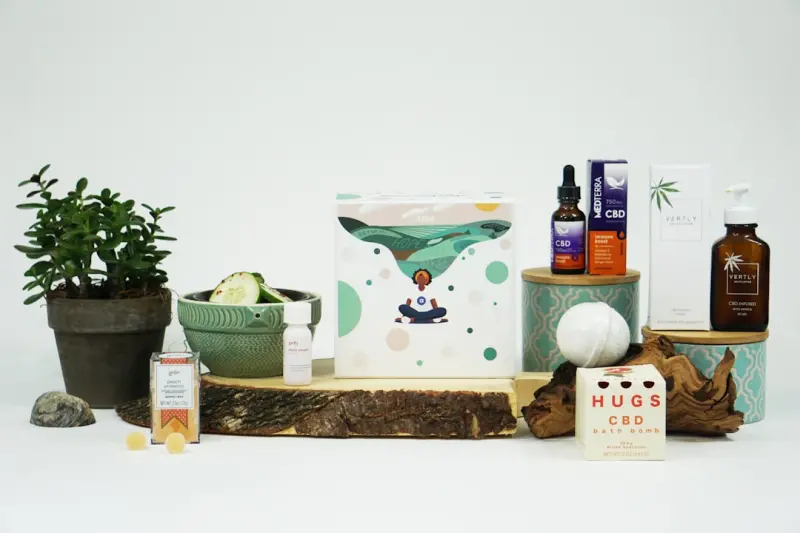
Ever notice how the biggest health breakthroughs feel like they come in tiny, almost invisible packages? A sip of warm water before coffee, a five‑minute stretch after a meeting, a single deep breath before a presentation. They’re not flashy, they don’t require a gym membership, and they certainly aren’t the kind of “big change” that makes headlines. Yet, when you stitch them together, they become a quiet force that reshapes how you feel, think, and perform at work.
The Myth of the “Grand Reset”
In the health‑and‑wellness world, we’re constantly bombarded with promises of massive transformations: 30‑day detoxes, marathon training plans, complete diet overhauls. The narrative is alluring—do something huge, see a huge result. The problem? Most of us live in environments where consistency is a luxury. A single, drastic change can feel like a rebellion against the rhythm of our day‑to‑day responsibilities, and rebellion rarely sticks.
Research from behavioral science shows that micro‑behaviors—actions that take under five minutes and require minimal effort—are far more likely to become habits. The brain rewards these small wins with dopamine bursts, reinforcing the behavior without triggering the resistance that a massive overhaul would.
Why Tiny Rituals Work Better Than “All‑Or‑Nothing”
- Lower Cognitive Load: Your prefrontal cortex can only juggle so many new rules. A single 2‑minute habit barely registers as a cognitive demand.
- Immediate Feedback: A quick stretch reduces muscle tension instantly; a short meditation lowers heart rate within minutes, giving you tangible proof that the effort mattered.
- Stackability: Small habits can be layered—think “habit stacking” where you attach a new action to an existing cue (e.g., a 30‑second breath exercise right after you log into your computer).
All of this means that the “small‑first” approach isn’t just a nice idea; it’s a scientifically backed strategy for sustainable health improvement.
Crafting Your Personal Ritual Toolbox
Below is a menu of micro‑rituals that you can start experimenting with today. Feel free to mix, match, and modify—your body and mind will tell you what works.
1. The Desk‑Side Breath Reset
Before diving into a new email thread, close your eyes, inhale for four counts, hold for four, exhale for six. Repeat three times. This simple pattern triggers the parasympathetic nervous system, lowering cortisol levels without you even realizing it.
2. The 2‑Minute Hydration Pause
Set a timer to go off every two hours. When it rings, drink a glass of water. Hydration is often overlooked, yet even mild dehydration can impair cognition and mood. Over the course of a day, this habit adds up to 6‑8 glasses—far more than the average office worker gets.
3. The Micro‑Movement Micro‑Break
Stand up, roll your shoulders, and do a set of 10 calf raises. It sounds trivial, but these micro‑movements combat the “sitting disease” that plagues office workers. In a study published in JAMA Network Open, participants who performed brief movement breaks every hour reported a 20% reduction in perceived fatigue.
4. The Intentional Gratitude Glimpse
Pick one thing on your screen—a sticky note, a colleague’s smile, a completed task—and mentally note why you appreciate it. This tiny shift toward positivity has been linked to increased resilience and lower burnout rates.
5. The Light‑Shift Reset
At midday, step away from the artificial lighting of your monitor and soak in natural daylight for two minutes. Sunlight resets your circadian rhythm, boosts vitamin D synthesis, and improves alertness for the afternoon slump.
Integrating Technology Without Losing the Human Touch
Technology can be a catalyst for these micro‑rituals, but it should never dominate them. Here are a few ways to let smart tools support, not replace, your rituals:
- Gentle Reminders: Use a simple smart home hub to trigger a subtle chime for your hydration pause. The key is an unobtrusive cue that doesn’t feel like a nag.
- Data‑Driven Insight: Wearable trackers can surface trends—like a dip in heart‑rate variability during long meetings—alerting you to insert a breath reset before stress spikes.
- Community Inspiration: While your rituals are personal, sharing a quick win on a workplace wellness channel can spark collective momentum, reinforcing the habit for everyone.
From Micro to Macro: The Ripple Effect on Company Culture
When individuals start feeling more grounded, the overall atmosphere shifts. Teams become more present, collaboration improves, and conflict de‑escalates. It’s not that each employee suddenly becomes a health guru; rather, the aggregate effect of many tiny rituals creates a workplace that feels lighter and more supportive.
If you’re curious about how a community‑centric approach can amplify these benefits, check out our playbook on sustainable health habits. While the playbook focuses on group initiatives, the underlying principle—small, consistent actions leading to big outcomes—mirrors what we’re discussing here.
Case Study: A Startup’s 30‑Day Micro‑Ritual Challenge
One mid‑size tech startup decided to pilot a “30‑Day Micro‑Ritual Challenge.” Each employee chose two rituals from the toolbox above and logged them in a shared spreadsheet. The results after a month were striking:
- Stress scores: Dropped an average of 15% (based on a short weekly self‑assessment).
- Productivity metrics: Slight uptick in tasks completed per day, attributed to fewer mid‑day energy crashes.
- Employee retention: Two members cited the ritual program as a key reason they felt valued and stayed.
The secret? The challenge wasn’t framed as a “wellness program” but as an experiment in personal performance. By keeping it low‑stakes and data‑light, participants felt empowered rather than monitored.
Getting Started: Your 7‑Day Ritual Sprint
To make the concept tangible, try this sprint:
- Day 1–2: Choose one ritual (e.g., the desk‑side breath reset) and practice it three times per day.
- Day 3–4: Add a second ritual (e.g., the 2‑minute hydration pause).
- Day 5–6: Pair both rituals with a visual cue—post‑it note, phone alarm, or a specific app notification.
- Day 7: Reflect. Write a short note on how you felt before and after the sprint. Identify any barriers and plan adjustments.
Remember, the goal isn’t perfection; it’s momentum. Even if you miss a cue, simply restart without judgment. The habit loop thrives on consistency, not rigidity.
Future Directions: Personalization Meets Micro‑Rituals
As AI and biometric data become more accessible, we’ll see a new wave of hyper‑personalized micro‑rituals. Imagine an algorithm that notices you’ve been typing faster than usual—a sign of rising stress—and automatically suggests a 30‑second breath reset. Or a smart desk that subtly changes its lighting to cue a posture check.
While the tech will evolve, the core principle remains unchanged: small, intentional actions are the building blocks of lasting health. By embracing these micro‑rituals now, you position yourself—and your organization—to adapt gracefully to whatever health innovations come next.
Final Thoughts: The Power of the Quiet
Health isn’t always about the dramatic moment you cross a finish line; it’s often about the quiet, repeated choices that go unnoticed. Those choices, when aligned with your body’s natural rhythms, become a silent engine driving energy, focus, and resilience. So, the next time you feel the pressure to “do more,” ask yourself: what’s the smallest thing you can do right now to honor your well‑being? The answer, more often than not, is a micro‑ritual waiting to be claimed.

Lauren Miller is a true outdoors enthusiast who has found her passion in the trades. When she's not working hard on the job, you can find her writing, camping, fishing, and exploring all that nature has to offer. A dedicated partner to her wife Beth, Lauren loves nothing more than spending quality time together and experiencing the great outdoors side by side.
Related Posts
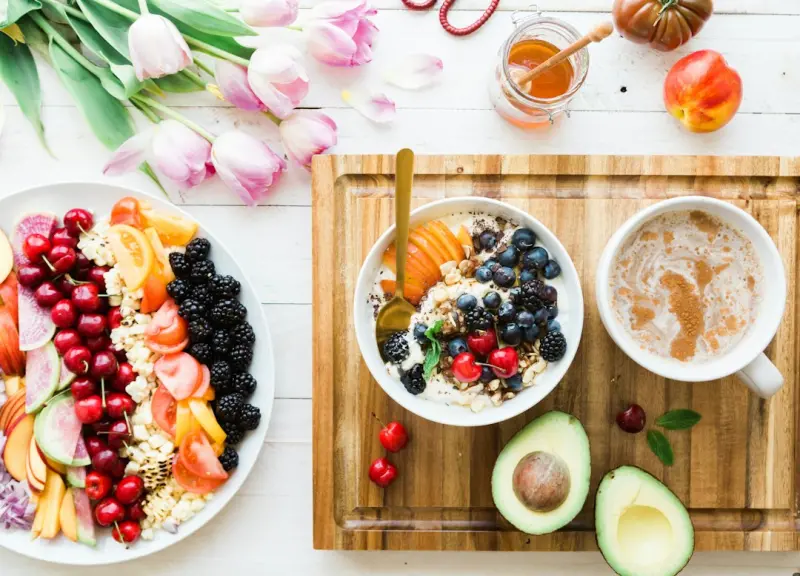
From Data to Vitality: Building Your Own AI Health Dashboard
Learn how to create an AI-driven health dashboard that integrates wearables, contextual AI, and edge... Read More

Personalized Immune Resilience with At‑Home Microbiome Testing
At‑home microbiome testing puts the power of gut health in your hands, offering personalized recom... Read More
Micro‑Habits to Outsmart Fatigue and Boost Energy
Explore a data‑driven playbook of micro‑habits, AI nudges, and environment design tricks that he... Read More
Top Posts
Tech Trends 2024: How Sustainability Is Redefining Innovation
Seth Samual reveals how sustainability is reshaping technology in 2024, spotlighting energy‑smart gadgets, green investments, and the challenges and opportuni...Read More

Celebrating the Small: How Everyday Wins Turn Into Meaningful Rituals
Learn to turn everyday achievements into meaningful rituals with inclusive, eco‑friendly, and tech‑enhanced celebrations that boost joy and community spirit...Read More
Quiet Power: How Ambient Mobile Apps Are Redefining Engagement
Mobile apps are moving beyond flashy screens toward ambient, context‑aware experiences that whisper value. Explore why this quiet shift matters, how to design...Read More
WordPress as a Strategic Platform for B2B SaaS Growth
Explore a fresh perspective on using WordPress as a core component of B2B SaaS strategies, from modular plugins and headless front‑ends to community‑driven ...Read More
0 Comments
Post Comment
You will need to Login or Register to comment on this post!