
Why Traditional Health Advice Fails and What a Community‑First Playbook Can Do Instead
We’ve all been there: the glossy infographic promising “10 steps to a healthier you” lands in our inbox, we skim it, feel a fleeting surge of motivation, and then—nothing. The promise of quick fixes clashes with the messy reality of daily life. The problem isn’t the advice; it’s the delivery. In an age where health information is abundant yet attention is scarce, the old‑school checklist approach is as outdated as a floppy disk.
In this post I’ll unpack three intertwined dynamics that make conventional health guidance fall short, and I’ll lay out a community‑driven framework that turns those dynamics into allies rather than obstacles. The goal isn’t to add another “do this for 30 days” challenge; it’s to embed health‑boosting actions into the social fabric of your everyday routines, so they become as automatic as checking your email.
The Information Overload Paradox
Every day, millions of articles, podcasts, and social media posts flood our feeds with the latest diet craze, sleep hack, or productivity tip. While turning health data overload into actionable insight is a buzz phrase in the tech world, it rarely translates to personal health. The paradox is simple: the more data we have, the less clarity we achieve.
When we’re bombarded with conflicting recommendations—“low‑carb versus low‑fat,” “intermittent fasting versus three meals a day”—our brains default to the path of least resistance: staying put. Cognitive load theory tells us that when working memory is saturated, we stop forming new habits. In practice, this means that a well‑meaning article about the benefits of omega‑3s might end up as an unread PDF tucked away in a folder.
To break this cycle, we need a filter that does two things simultaneously: prioritize the information that aligns with your personal context, and embed it into an environment that nudges you toward action.
Community Micro‑Commitments: The Missing Link
Humans are wired for social reinforcement. Evolutionarily, we survived because we moved, ate, and rested together. Modern life has fragmented that collective experience, replacing it with isolated screens. Re‑creating micro‑social loops around health can restore the natural feedback loop that fuels habit formation.
Enter the concept of community micro‑commitments. Instead of a solitary 30‑day challenge, imagine a small group of colleagues, friends, or even strangers who each pledge to a tiny health action—like drinking an extra glass of water before lunch or taking a 5‑minute walk after a meeting. The commitment is tiny enough that the barrier to entry is minimal, yet the social accountability amplifies adherence.
- Shared Visibility: A simple Slack channel or WhatsApp group lets members post a quick “✅ Done” each day. The visual cue of collective progress fuels a subtle competition that feels supportive rather than punitive.
- Chunked Rewards: For every five consecutive days the group meets its micro‑goal, they unlock a shared reward—perhaps a group‑ordered lunch or a short virtual yoga session.
- Iterative Scaling: After a few weeks, the group can collectively decide to add a new micro‑commitment, gradually building a layered habit stack without overwhelming anyone.
This approach borrows from the psychology of “social proof” and “tiny habits,” but the key differentiator is the community scaffold. When you see a friend’s post about taking a brief walk, you’re more likely to follow suit because the action has already been socially validated.
AI as a Personal Health Concierge—Without the Privacy Nightmare
Artificial intelligence is often portrayed as a double‑edged sword: it can personalize health recommendations, but it also opens doors for misinformation and data misuse. The deepfake health scams we’ve seen in the media illustrate the risk of AI‑generated falsehoods—imagine a fabricated video of a “miracle cure” spreading like wildfire.
To harness AI responsibly, we need a two‑pronged strategy:
- Local First Processing: Instead of sending every health metric to the cloud, leverage on‑device AI models that analyze data (like heart‑rate variability or sleep stages) locally. This reduces the attack surface for data interception and keeps personal insights private.
- Verified Knowledge Graphs: Connect AI recommendations to reputable sources—peer‑reviewed journals, certified nutritionists, or recognized medical institutions. When the AI suggests a new supplement, it should surface the underlying study, allowing users to verify authenticity.
When implemented correctly, AI becomes a personal concierge that sifts through the noise, surfaces relevant insights, and integrates them into the community micro‑commitment framework. For example, an AI could detect that you’re consistently skipping hydration in the afternoon and suggest a micro‑commitment to drink a glass of water after the 2 pm meeting, then automatically post a reminder to the group chat.
Practical Playbook: From Idea to Action in 30 Days
Below is a step‑by‑step guide to launch a community micro‑commitment health loop, fortified by AI‑driven insights.
- Identify Your Core Circle: Gather 5–10 people who share a common context—office teammates, a book club, or a neighborhood block. The key is regular interaction.
- Pick a Single Micro‑Commitment: Choose an action that takes less than two minutes and has a clear, observable outcome. Examples: “Stand up and stretch for 30 seconds after each call,” or “Swap soda for sparkling water at lunch.”
- Set Up a Public Tracker: Create a dedicated channel (Slack, Discord, or a simple Google Sheet) where each member posts a daily check‑in. Use emojis or short text—consistency matters more than format.
- Integrate AI Nudges (Optional): If you have access to a health app with AI features, enable local reminders that sync with your group channel. The AI can suggest optimal timing based on your calendar.
- Celebrate the First Milestone: After five days of 80%+ participation, hold a brief celebration—maybe a virtual coffee break or a group‑shared playlist.
- Iterate and Expand: Conduct a quick poll to decide the next micro‑commitment. Over time, you’ll organically build a habit stack that covers hydration, movement, posture, and mental pauses.
Remember, the goal isn’t perfection; it’s momentum. By the end of the month, you’ll have a living repository of small, socially reinforced actions that can be scaled or customized as needed.
The Bigger Picture: A Health Ecosystem Powered by Humans and Machines
When community micro‑commitments intersect with responsibly designed AI, the result is a resilient health ecosystem. This ecosystem does three things simultaneously:
- Filters Noise: AI sifts through the deluge of health content, surfacing only what truly aligns with your personal data and the collective goals of your community.
- Amplifies Accountability: Social loops turn private intentions into public commitments, leveraging peer influence to sustain behavior.
- Scales Gracefully: As the community grows, the micro‑commitment model scales without requiring massive infrastructure—just a shared channel and a few simple prompts.
In contrast to the solitary “self‑help” paradigm, this approach reframes health as a collaborative journey. It acknowledges that while technology can provide precision, humans provide the emotional glue that turns data into daily action.
Takeaway: Your Health Habit Engine Starts With One Tiny Step
If you’ve ever felt paralyzed by the sheer volume of health advice, you’re not alone. The solution isn’t to wait for the next “ultimate diet” or “miracle supplement.” It’s to anchor one tiny, socially reinforced habit in your routine, let AI fine‑tune the timing, and then let the community celebrate each win.
Start today. Gather a few allies, decide on a micro‑commitment, and watch how a simple check‑in can ripple into a healthier, more connected version of yourself. The future of health isn’t a solo sprint; it’s a chorus of small, consistent actions amplified by the right technology.

Jim Pearse, a seasoned freelance writer, brings a wealth of knowledge and passion to the world of home and garden. From the intricacies of landscaping to the nuances of interior design, Jim delves into every aspect of creating comfortable, beautiful, and functional living spaces.
Related Posts
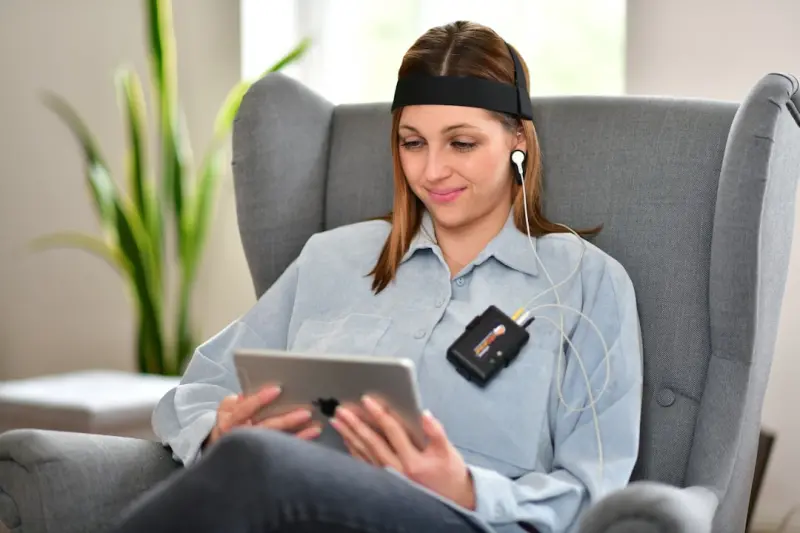
Biofeedback Wearables: The New Frontier of Everyday Stress Mastery
Wearable biofeedback devices turn physiological data into real‑time stress cues, helping remote wo... Read More
Your Gut’s Secret Influence on Mood and Energy
Explore the powerful link between your gut microbiome and mental health, with actionable steps on fo... Read More

The Secret Rhythm of Your Day: Harnessing Chrononutrition for Better Health
Learn how aligning meals with your body’s natural clock can improve metabolism, mood, and sleep. P... Read More
Top Posts

Decentralized Identity: Re‑imagining Trust in Enterprise Tech
Decentralized identity shifts control from central directories to users, offering stronger security, privacy‑by‑design, and smoother onboarding. This post b...Read More
Why Sustainable Smartphones Matter More Than Ever
I’m diving into the hidden environmental costs of our phones and sharing practical ways to pick, use, and extend devices that are kinder to the planet....Read More

How Digital Twins Are Reinventing Industrial Product Lifecycles
Digital twins transform physical assets into living data models, enabling predictive maintenance, extended product life, and rapid innovation for industrial man...Read More

Tool Hygiene: Auditing, Pruning, and Supercharging Your SaaS Stack
A practical guide to tool hygiene that walks you through auditing every SaaS product, pruning redundancies, and supercharging the survivors for maximum efficien...Read More
0 Comments
Post Comment
You will need to Login or Register to comment on this post!