
Why the Gut Microbiome Matters More Than You Think
The tiny universe of trillions of microbes living inside our digestive tract is shaping our mood, energy levels, and even the way we handle stress, a fact that modern research is finally bringing out of the lab and into our kitchens. When the balance of beneficial bacteria tilts toward harmful strains, the brain‑gut axis—an intricate communication highway of nerves, hormones, and immune signals—can become a noisy, mis‑firing network that leaves us feeling sluggish, anxious, or irritable without an obvious external cause. Understanding this hidden dialogue means recognizing that the foods we chew, the sleep we catch, and the stress we manage are all part of a larger conversation that our gut either supports or sabotages. To start reshaping that conversation, think of your gut as a garden: it thrives on diversity, regular care, and protection from invasive weeds, and the choices you make today can cultivate a flourishing ecosystem that fuels a clearer mind tomorrow.
Food Choices That Nurture Your Brain‑Gut Connection
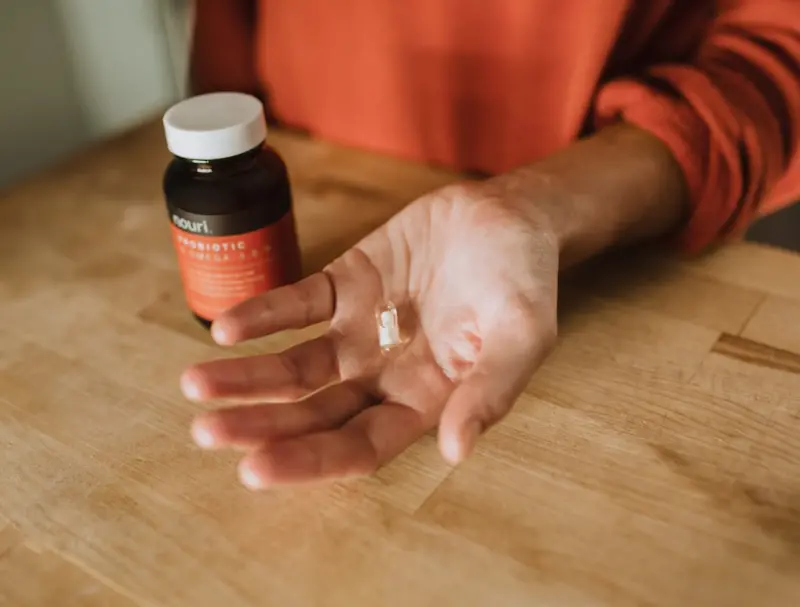
Fiber‑rich vegetables, fermented delights, and polyphenol‑laden berries act as premium fuel for the beneficial bacteria that produce short‑chain fatty acids, the very metabolites that cross the blood‑brain barrier to calm inflammation and boost neurotransmitter production. For instance, a daily spoonful of plain kefir or a handful of sauerkraut can introduce live cultures that outcompete pathogenic microbes, while the prebiotic fibers in asparagus, onions, and whole‑grain oats give those cultures the substrate they need to multiply and stay active. Pairing these foods with omega‑3‑rich sources such as wild salmon or chia seeds supplies the brain with the building blocks for serotonin and dopamine, creating a synergistic effect that steadies mood and sharpens focus. If you’re looking for a quick way to integrate these habits, consider swapping a sugary snack for a probiotic‑rich yogurt topped with fresh berries—a simple ritual that delivers both taste and therapeutic benefit.
Practical Steps to Rebalance Your Microbiome
Start by eliminating hidden sugar spikes that feed opportunistic bacteria; reading labels for hidden sweeteners in sauces, dressings, and even “healthy” granola bars can cut down the excess fuel that fuels inflammation. Next, introduce a small daily ritual of mindful eating—chewing each bite thoroughly, pausing between mouthfuls, and savoring flavors—to give digestive enzymes a chance to break down food more efficiently, a practice that reduces gut stress and supports microbial diversity. Finally, create a nurturing home environment by limiting exposure to harsh cleaning chemicals, opting for natural alternatives, and ensuring adequate ventilation, because the air we breathe also influences the microbial landscape on our skin and within our bodies. Together, these steps form a triad of diet, behavior, and environment that can gradually shift the gut ecosystem toward a resilient, balanced state that underpins lasting mental clarity.
Mindful Movement: Exercise as a Microbial Booster
Regular, moderate‑intensity exercise does more than sculpt muscles; it acts as a catalyst for microbial diversity by increasing blood flow to the intestines and stimulating the release of myokines—muscle‑derived proteins that signal the gut to release beneficial metabolites. A brisk 30‑minute walk in the morning, a gentle yoga flow focusing on twists and bends, or a weekend bike ride can each trigger a cascade of hormonal responses that lower cortisol, reduce gut permeability, and encourage the growth of bacteria that produce neurotransmitters like GABA and serotonin. Importantly, consistency beats intensity: a habit of moving daily, even in short bursts, establishes a rhythm that the microbiome learns to anticipate, leading to a steadier production of mood‑enhancing compounds. Pair your movement with a post‑workout snack that combines protein and fermentable carbs—think a banana with almond butter or a small smoothie with kefir—to provide immediate nourishment for both muscles and microbes.
Sleep Hygiene: The Nighttime Reset for Your Gut
Sleep and the gut share a bidirectional relationship; when you skimp on restorative sleep, the circadian rhythm that regulates microbial growth cycles becomes disrupted, allowing harmful strains to flourish while beneficial ones dwindle. Aim for a dark, cool bedroom environment, limit blue‑light exposure at least an hour before bedtime, and establish a calming pre‑sleep routine that might include a cup of caffeine‑free herbal tea infused with chamomile and a dash of honey—both of which possess mild prebiotic qualities. Consistent sleep patterns synchronize the release of melatonin, a hormone that not only signals the brain to rest but also influences gut motility and barrier integrity, reducing the risk of “leaky gut” symptoms that can exacerbate anxiety and brain fog. By treating sleep as a non‑negotiable pillar of health, you give your microbiome the nightly cue it needs to reset, repair, and prepare for another day of balanced communication with your brain.
Stress Management: Calming the Brain‑Gut Feedback Loop
Chronic stress floods the body with cortisol, a hormone that can increase intestinal permeability, alter microbial composition, and trigger inflammatory pathways that directly affect mood and cognition. Simple, evidence‑based practices such as breath‑focused meditation, progressive muscle relaxation, or even brief nature walks can activate the parasympathetic nervous system, sending a “rest‑and‑digest” signal that steadies gut motility and supports the growth of calm‑inducing bacteria like Lactobacillus. Incorporating a daily gratitude journal—writing three things you appreciate each evening—has been shown to lower perceived stress and improve sleep quality, both of which indirectly nurture a healthier microbiome. Remember, the goal isn’t to eliminate stress entirely but to create reliable, low‑effort buffers that keep the brain‑gut axis from becoming a runaway train of anxiety and inflammation.
Tracking Progress: Simple Metrics to Gauge Gut Health
While you don’t need a lab test to start feeling better, paying attention to everyday signals can help you fine‑tune your approach: notice changes in energy spikes, mood swings, digestion regularity, and even skin clarity, as all are reflections of microbial balance. Keep a brief health log—either in a notebook or a digital note—where you record meals, sleep hours, stress levels, and any physical symptoms; patterns often emerge that reveal which foods or habits are most supportive. If you’re curious about a deeper dive, many reputable labs now offer affordable stool analyses that map bacterial diversity, providing a roadmap for personalized probiotic or dietary adjustments. Even without high‑tech testing, the combination of mindful observation and consistent habit‑building creates a feedback loop that gradually improves both gut health and overall wellbeing.
Building a Sustainable Lifestyle for Long‑Term Mental Wellness
The most lasting changes come from integrating these practices into a lifestyle that feels authentic rather than forced; start small, celebrate incremental wins, and let curiosity guide your experimentation with new foods, movement styles, and relaxation techniques. Over time, the cumulative effect of a fiber‑rich diet, regular moderate exercise, sufficient sleep, and purposeful stress reduction will reinforce a thriving gut ecosystem that continuously supplies the brain with the chemicals it needs for optimism, focus, and resilience. Embrace the journey as a personal evolution—a daily act of stewardship for the invisible community within you—knowing that each mindful choice sends ripples of positive influence throughout your body, mind, and even the people you interact with. In the end, nurturing your gut isn’t a quick fix; it’s a lifelong partnership that unlocks a brighter, more balanced version of yourself.

Amanda is a passionate writer exploring a kaleidoscope of topics from lifestyle to travel and everything in between.
Related Posts

When Play Becomes Therapy: The Biofeedback Gaming Wave Transforming Stress Relief
Discover the emerging world of biofeedback gaming and how it, alongside breathwork technology and co... Read More

Bio‑Feedback Wearables: Turning Stress Data Into Daily Calm
Discover how bio‑feedback wearables convert real‑time stress signals into actionable micro‑int... Read More

Beyond Calories: Harnessing Ambient Tech for Holistic Health
Discover the quiet revolution of ambient technology—how subtle environmental cues like lighting, s... Read More
Top Posts

The Smartphone’s Secret Role in Modern B2B Storytelling
Smartphones are no longer just communication tools; they’ve become essential, AI‑enhanced storytelling hubs for B2B marketers, enabling fast, secure, and da...Read More

Inside the Laptop: Mastering Heat, Power, and Longevity
A deep dive into laptop thermals, battery health, modular upgrades, and security, offering actionable tips to keep your device cool, powered longer, and ready f...Read More

Designing a Hybrid Wedding That Connects Every Guest, Near and Far
Hybrid weddings combine live celebrations with digital experiences, creating an inclusive, data‑driven, and eco‑friendly event that engages every guest, no ...Read More

Why Handwritten Vows Still Matter in a High‑Tech Wedding World
Handwritten vows bring authenticity to high‑tech weddings, while micro‑meditation, playful stress relief, and sustainable rituals deepen the emotional impac...Read More
0 Comments
Post Comment
You will need to Login or Register to comment on this post!