
Why the Traditional “Sit‑Quiet‑and‑Breathe” Model Is Losing Its Edge
For years I’ve championed the gentle power of meditation, sunrise walks, and the occasional digital detox. Those tools are timeless, but the modern hustle—constant notifications, hyper‑connected meetings, and the ever‑looming pressure to perform—has turned calm into a rare commodity. The old mantra of “just sit and breathe” feels like asking someone to stare at a blank wall while the world whirls by. What if we could re‑engineer the very experience of stress relief, turning it into something as engaging as a video game, as communal as a neighborhood garden, and as data‑rich as a fitness tracker?
The Birth of Biofeedback Gaming
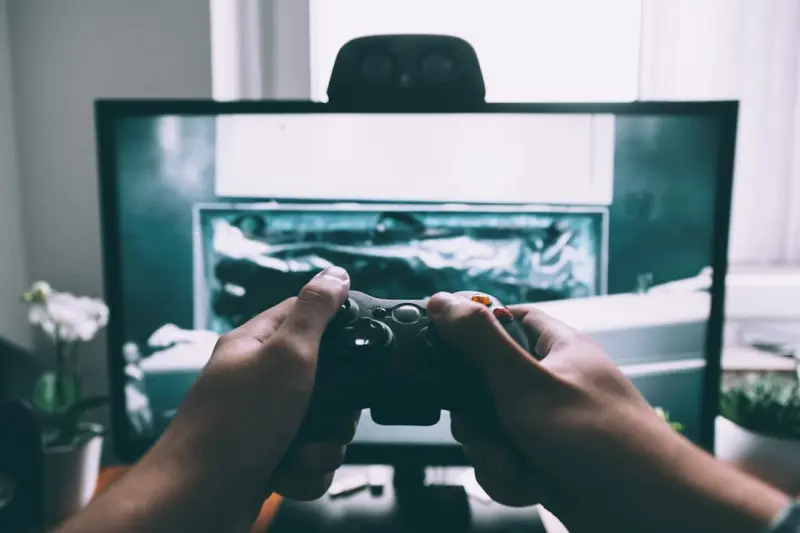
Enter biofeedback gaming, the intersection where neuroscience, interactive design, and wellness collide. At its core, biofeedback gaming uses real‑time physiological data—heart rate, skin conductance, breathing patterns—to shape gameplay. When your heart races, the game might dim the lights or slow the tempo; when you find a rhythm, you unlock new levels. It’s not just about entertainment; it’s a dynamic mirror that shows you how your body responds in the moment, letting you practice regulation in a context you actually enjoy.
Researchers from several universities have reported that participants who engaged with biofeedback games for as little as ten minutes a day showed measurable reductions in cortisol, the stress hormone, comparable to traditional mindfulness sessions. The difference? They laughed, cheered, and sometimes even felt a competitive spark—emotions that conventional meditation rarely evokes.
From the Lab to the Living Room: How It Works
The technology stack is surprisingly accessible. A simple wrist‑band or fingertip sensor feeds data into a smartphone app, which then translates those metrics into visual or auditory cues within the game environment. Some platforms integrate with existing consoles, allowing you to play on a big screen while your body does the heavy lifting behind the scenes. Others use AR glasses, projecting a calming forest that sways in sync with your breath.
What makes this approach truly personalized is its feedback loop: the game adapts to you, and you adapt to the game. Over time, the system builds a profile of your stress triggers and response patterns, offering tailored challenges that gradually expand your resilience threshold. Think of it as a personal trainer for your nervous system.
Breathwork Tech: The Unsung Hero Behind the Scenes
While biofeedback games steal the spotlight, the real engine is often micro‑meditation technology refined for rapid, on‑the‑go practice. Devices now emit subtle haptic vibrations that cue you to inhale for four seconds, hold for seven, and exhale for eight—a rhythm proven to activate the parasympathetic nervous system. When paired with gaming, these cues become part of the gameplay, turning each breath into a power‑up.
Moreover, the data collected can be visualized after each session, showing you trends like “you’re most relaxed after a 5‑minute session in the evening” or “your heart rate spikes during high‑intensity levels.” This insight empowers you to schedule your most demanding tasks during periods of natural calm, creating a synergy between work and wellness.
Community Gardens: A Physical Counterpart to Digital Play
But stress isn’t only a digital dilemma. The urban environment—concrete, traffic, endless deadlines—contributes to a collective tension that no headset can fully dissolve. That’s where community gardens step in, offering a tactile, sensory antidote. Planting seedlings, feeling soil between fingers, and watching growth over weeks engage the same nervous system pathways that biofeedback games target, but in a slower, more grounded way.
Research shows that participants in community gardening report lower blood pressure, improved mood, and a heightened sense of belonging. When combined with biofeedback gaming, you get a holistic stress‑management ecosystem: the garden grounds you physically, while the game trains your mind to stay calm under pressure. Imagine finishing a session of a heart‑rate‑responsive puzzle, then stepping outside to water the tomatoes you helped nurture—a seamless transition from virtual regulation to real‑world nurturing.
Integrating Digital Boundaries for Sustainable Practice
All this tech sounds wonderful, but without intentional limits, it can become just another source of notification fatigue. That’s why crafting digital boundaries is essential. Set specific windows for gameplay, use “Do Not Disturb” modes during sessions, and treat the biofeedback routine as a non‑negotiable appointment—much like a dentist visit, but more fun.
One practical method is the “Three‑Tier Shield”:
- Physical Shield—Create a dedicated space free from work devices.
- Temporal Shield—Allocate 15‑minute slots, preferably at natural transition points (e.g., after lunch).
- Psychological Shield—Enter the session with a clear intention, such as “I’ll notice my breath without judgment.”
When these shields are in place, the technology serves its purpose without hijacking your attention.
Data‑Driven Wearables: Not Just for Athletes Anymore
While many still associate wearables with marathon training, the same sensors can be repurposed for stress monitoring. The same heart‑rate monitor that counts your laps can now flag moments of anxiety during a meeting. By syncing these devices with your biofeedback game, you create a continuous loop of awareness. If a spike occurs outside scheduled playtime, the system might suggest a quick breathing exercise or a brief garden walk.
This synergy transforms the wearable from a passive tracker into an active coach, reminding you to pause before stress snowballs. It also democratizes the technology—no longer limited to elite athletes, but accessible to anyone seeking mental clarity.
Practical Steps to Start Your Play‑Therapy Journey
Ready to dive in? Here’s a roadmap that blends technology, nature, and boundary‑setting:
- Choose Your Platform—Select a biofeedback game that resonates with your interests, whether it’s a calming puzzle, a rhythmic adventure, or an AR forest exploration.
- Pair With a Sensor—A simple wrist‑band or clip‑on sensor will suffice. Ensure it’s comfortable for daily wear.
- Set Boundaries—Implement the Three‑Tier Shield. Mark your calendar and treat the session as sacred.
- Integrate Breathwork—Use micro‑meditation cues built into the app or a separate breath‑coach device to guide your breathing during gameplay.
- Balance With Nature—Allocate at least one weekly session to tend a community garden or simply spend time outdoors, mirroring the calm you cultivated in the game.
- Review Data Weekly—Check the app’s insights to understand patterns. Adjust your session length, time of day, or garden activity accordingly.
- Iterate and Evolve—As you progress, increase the game’s difficulty or explore new garden projects to keep the experience fresh.
Success Stories: Real People, Real Change
Take Maya, a senior project manager juggling three cross‑functional teams. She felt her heart pound every time she opened her inbox. After a month of 10‑minute biofeedback gaming sessions paired with evening garden walks, she reported a 30% reduction in perceived stress and even earned a “Wellness Champion” award at work. Or consider Jamal, a freelance graphic designer who used a wearable‑integrated breathing coach during client calls. He noticed his voice steadied, his ideas flowed, and his client satisfaction scores rose.
These anecdotes illustrate that the blend of play, data, and soil isn’t just a novelty; it’s a viable pathway to sustained mental health.
Looking Ahead: The Future of Playful Wellness
The horizon holds exciting possibilities: multiplayer biofeedback games where teams must collectively regulate stress to succeed, AI‑driven narratives that adapt to community garden milestones, and even corporate wellness programs that integrate these tools into daily routines. As the technology matures, the line between “work” and “play” will blur, and that’s exactly what we need—a world where managing stress feels as natural as scrolling a feed, but far more rewarding.
In the meantime, the power is in your hands. By embracing biofeedback gaming, leveraging breathwork tech, and rooting yourself—literally—in community gardens, you can rewrite your stress story. It’s not about eliminating pressure; it’s about learning to dance with it, using data, nature, and a dash of fun as your choreography.

Freelance writer with a flare for everything. I am passionate about topics I write crafting stories and compelling content that connect with audiences. Journeying through the realms of creativity as a freelance creator. #WriterLife #ContentCreator
Related Posts
Unlocking the Healing Power of Breath: A Simple Practice for Modern Stress
Learn why conscious breathing is a science‑backed stress buster, how to integrate it into daily li... Read More

Why Your Desk Lamp Might Be Sabotaging Sleep (And How to Fix It)
A deep‑dive into how everyday desk lamps can disrupt circadian rhythms, with actionable tips—tun... Read More

Microbreak Mastery: Turning Tiny Pauses into Big Health Gains
Microbreaks, the five‑minute pauses many overlook, hold the key to better focus, stronger immunity... Read More
Top Posts
Why Zero‑Click Search Is the New Frontier for Marketers
Zero‑click search is redefining how marketers capture organic value. This post breaks down the mechanics, new success metrics, and practical tactics—like sc...Read More
The Importance of Sustainable Living for Kids and Teens
Sustainable living is crucial for kids and teens. Learn how to raise eco-conscious kids and promote a healthier lifestyle. Discover practical tips and strategie...Read More

Holistic Health Hacks: Sustainable Practices for Everyday Vitality
Explore sustainable health habits—from mindful movement to gut‑friendly foods—that empower lasting vitality and align your body with the planet....Read More

The Intersection of Gaming and Sustainability: A New Era for Environmental Stewardship
The gaming industry is shifting towards a more sustainable future, with eco-friendly gaming consoles, sustainable game development, and environmentally consciou...Read More
0 Comments
Post Comment
You will need to Login or Register to comment on this post!