
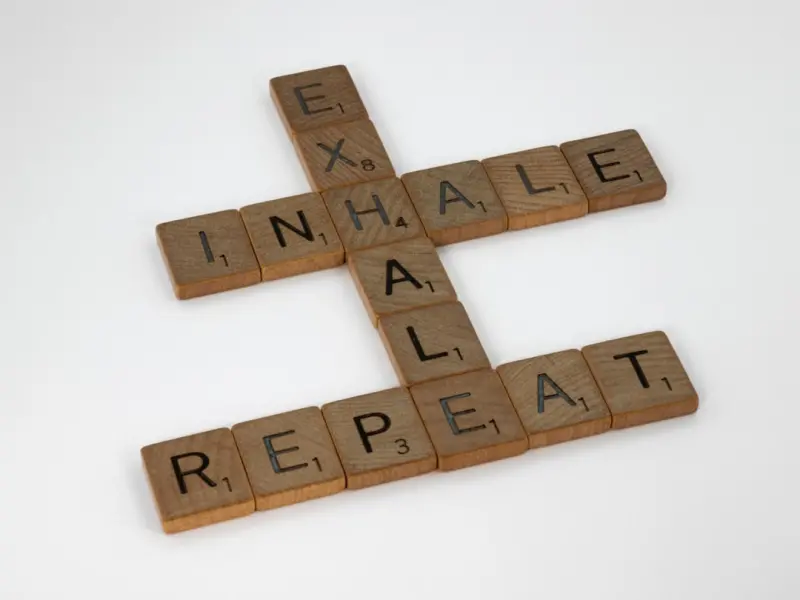
Why Breathwork Is the Missing Link in Modern Stress Management
In a world where notifications ping every few minutes and inboxes never truly close, the body’s stress response is stuck in overdrive. Most of us instinctively reach for coffee, scrolling, or a quick snack, yet we rarely consider the simplest tool at our disposal: the breath. Conscious breathing can recalibrate the nervous system within seconds, shifting us from a fight‑or‑flight state to a calm, parasympathetic mode. The science behind this is rooted in the vagus nerve, a highway that runs from the brain to the abdomen, and when we engage it deliberately, heart rate variability improves, cortisol drops, and mental clarity returns. This isn’t a new-age gimmick; it’s a physiological lever that millions of elite athletes and high‑performing executives have been tapping into for decades. By treating breath as a daily habit rather than an occasional “relaxation trick,” we unlock a sustainable antidote to the chronic stress epidemic that plagues our modern lives.
The Neurobiology That Makes Breathwork Powerful
When you inhale deeply through the nose, you stimulate the diaphragm and activate the parasympathetic branch of the autonomic nervous system. This action sends a cascade of signals that lower blood pressure, reduce inflammation, and even enhance neuroplasticity. Research published in the Journal of Clinical Psychology shows that just eight minutes of rhythmic breathing can increase gamma‑aminobutyric acid (GABA) levels, the brain’s natural calming neurotransmitter. Moreover, slow breathing—typically around six breaths per minute—optimizes oxygen‑carbon dioxide exchange, improving cerebral blood flow and sharpening focus. The body’s baroreceptors, sensors that monitor blood pressure, also respond to breath rhythm, sending feedback to the brain that helps regulate emotional responses. Understanding these mechanisms demystifies why a simple breath count can feel as grounding as a meditation session, and it offers a concrete, science‑backed pathway to emotional resilience.
Practical Techniques You Can Start Using Today
To reap the benefits, start with the “4‑7‑8” method: inhale through the nose for four seconds, hold the breath for seven, then exhale gently for eight seconds. This pattern lengthens the exhalation, which is key for activating the vagus nerve. Another effective practice is box breathing, a four‑second inhale, four‑second hold, four‑second exhale, and four‑second hold, often used by Navy SEALs to maintain composure under pressure. For those who prefer a more fluid approach, the “coherent breathing” technique aims for five breaths per minute, achieved by inhaling for six seconds and exhaling for six seconds. Set a timer for five minutes, find a comfortable seated posture, and let the rhythm guide your focus. Consistency beats intensity; even a short, twice‑daily session can build a resilient baseline, making it easier to navigate stressful meetings, traffic jams, or sleepless nights.
Integrating Breathwork Into Everyday Routines
One of the biggest challenges is remembering to breathe mindfully amid a packed schedule. The solution lies in anchoring breath sessions to existing habits. Pair a two‑minute breath practice with the moments you brush your teeth, wait for your coffee to brew, or stand in line at the grocery store. These micro‑moments become natural cue points, reinforcing the habit loop of cue‑routine‑reward. Additionally, consider a “breath break” before every screen transition—just before you open a new tab or switch apps, close your eyes, inhale, and exhale slowly. Over time, these pauses accumulate, creating a protective buffer against the constant digital overload that fuels anxiety. By embedding breathwork into the architecture of your day, you transform a deliberate practice into an effortless reflex, much like the automatic act of blinking.
Synergy With Movement: Walking, Yoga, and Beyond
Breathwork does not have to exist in isolation; it thrives when coupled with gentle movement. A mindful walk, for instance, can be enhanced by synchronizing steps with breaths—inhale for three steps, exhale for three. This coordination grounds the mind and amplifies the calming effect of each stride. In yoga, the mantra “Ujjayi breath” (victorious breath) creates an audible rhythm that steadies the practitioner, deepening stretches and fostering a meditative state. Even simple desk stretches paired with diaphragmatic breathing can release muscular tension accumulated from prolonged sitting. By aligning breath with motion, you cultivate a holistic mind‑body connection that magnifies stress reduction, improves circulation, and supports better posture, all while keeping the practice accessible and adaptable to any fitness level.
Leveraging Technology Without Losing the Human Touch
While the goal is to step away from screens, smart tools can accelerate learning and consistency. Apps that provide guided breathing sessions, track heart‑rate variability, or offer real‑time feedback can be valuable companions on the journey. For a deeper dive into the digital side of wellness, check out mobile health apps that integrate breathwork with sleep monitoring and stress analytics. However, it’s crucial to set boundaries—use the app for the initial setup, then rely on internal cues rather than constant notifications. Pairing technology with the analog habit of breathing creates a balanced ecosystem where data informs practice without dictating it. This hybrid approach respects both the convenience of modern tools and the timeless power of the human breath.
Celebrating Small Wins With Micro‑Rituals
Consistency is reinforced by recognizing progress, no matter how modest. Incorporating a brief celebration after each breath session can embed a positive feedback loop. Simple gestures—a thumb‑up to yourself, a quick stretch, or a sip of water—signal reward to the brain. For inspiration on how tiny rituals can amplify everyday experiences, explore Micro‑Celebrations. By acknowledging each successful breath, you cement the habit, making it more likely to persist during stressful spikes. Over weeks, these micro‑rituals evolve into a resilient mental habit that buffers against burnout and promotes a more centered, present outlook.
Long‑Term Benefits and the Path Forward
Adopting a regular breathwork practice yields cumulative benefits that extend far beyond immediate stress relief. Longitudinal studies link consistent diaphragmatic breathing to reduced risk of hypertension, improved immune response, and even enhanced gut motility, which influences mood and cognition. Moreover, the habit cultivates a heightened sense of self‑awareness, empowering you to intercept emotional triggers before they spiral. To sustain momentum, consider quarterly check‑ins: review your breath logs, adjust timing, or experiment with new patterns like alternate nostril breathing. For those looking to deepen their practice, exploring the interplay between breath and nutrition—such as avoiding heavy meals before night‑time sessions—can further optimize results. Embrace breathwork as a lifelong companion, a simple yet profound tool that, when practiced daily, reshapes your relationship with stress, health, and overall well‑being.

David Moore is a freelance writer specializing in two dynamic and ever-evolving fields: gambling and the tech industry. With a keen eye for detail and a knack for unraveling complex topics, David delivers insightful and engaging content that keeps readers informed and entertained.
Related Posts

Why Your Next Health Upgrade Should Be a Data‑Driven Wearable Strategy
Explore how data‑driven wearables can shift corporate wellness from reactive perks to predictive h... Read More

The Hidden Power of Your Daily Rhythm Over Gym Hours
A deep dive into how respecting your circadian rhythm, timing meals, and incorporating micro‑pause... Read More

Reclaiming Play: How Real‑World Fun Boosts Mental and Physical Health
Play isn’t just child’s work—it's a powerful health tool. This article explains the science be... Read More
Top Posts

Why Empathy‑First Debugging Is the Missing Piece in Modern Software
Explore why compassionate error handling, context‑rich logs, and empathy‑driven post‑mortems are reshaping software development and fostering stronger use...Read More

The Secret Playbook Behind Smarter Shopping: From Impulse to Intentional
Learn to transform impulse buying into a strategic habit, curate wishlists that save money, and use sustainable subscription boxes for smarter, eco‑friendly s...Read More

Community‑First Marketing: Turning Niche Groups into Growth Engines
A deep dive into community‑first marketing, showing how building niche groups around shared purpose can turn users into co‑creators, generate zero‑party d...Read More

The Rise of Work‑Cations: Turning Travel Into a Strategic Innovation Engine
Discover why work‑cations are the new travel frontier, how to design a purposeful itinerary, and the tangible business benefits of blending work with explorat...Read More
0 Comments
Post Comment
You will need to Login or Register to comment on this post!