
When most of us think about health, the mental image is often a treadmill, a yoga mat, or a kale‑filled smoothie. Yet the most powerful lever you can pull for lasting wellness isn’t a piece of equipment or a trendy diet—it’s the rhythm you set for your entire day. This isn’t a new fad; it’s a science‑backed practice that blends circadian biology, nutrition timing, and mindful pauses into a seamless flow that fuels body, mind, and productivity.
What “Daily Rhythm” Really Means
At its core, a daily rhythm is the orchestrated pattern of activity and rest that aligns with your internal clock—also known as the circadian system. Every cell in your body follows a roughly 24‑hour cycle, from hormone release to metabolism, brain wave patterns, and even the efficiency of your immune response. When you respect that natural cadence, you’re not just feeling better; you’re optimizing the very machinery that keeps you alive.
The Science Behind Timing Your Meals
One of the most overlooked aspects of the daily rhythm is when you eat. Studies show that eating large meals late at night can disrupt melatonin production, impair glucose tolerance, and increase inflammation. Conversely, front‑loading calories earlier in the day—what some researchers call “early time‑restricted feeding”—has been linked to improved insulin sensitivity, better sleep quality, and even weight loss without changing what you eat.
Think of your digestive system as a night shift worker. If you ask it to stay up late, it gets exhausted, making it less efficient at processing nutrients. By aligning meals with daylight hours, you give your gut the rest it needs to repair and rejuvenate.
Movement: Not Just About the Gym
Exercise is undeniably vital, but the timing and type of movement can be just as crucial as the intensity. Morning light exposure combined with gentle movement—like a brisk walk or dynamic stretching—helps reset your circadian clock, boosting alertness and mood for the rest of the day. In the afternoon, your body’s core temperature peaks, making it the optimal window for strength training or high‑intensity intervals. Evening sessions, however, can elevate cortisol and make winding down for sleep more challenging.
So, instead of forcing a midnight spin class because your schedule says so, consider swapping it for a calming evening routine: a short meditation, light yoga, or simply a walk under dim lighting. Your body will thank you with deeper, more restorative sleep.
Micro‑Pauses: The Unsung Heroes of Health
In our hyper‑connected world, the temptation to sprint from one task to the next is strong. Yet research on “micro‑pauses” reveals that brief, intentional breaks—just 60 to 90 seconds—can dramatically improve focus, reduce stress hormones, and even lower blood pressure. These pauses are not the same as scrolling through social media; they’re purposeful moments of stillness: a deep breath, a stretch, or a quick glance at nature.
Implement a “pause ritual” every hour: stand, inhale for four counts, hold for four, exhale for six, and repeat. Your nervous system will shift from the fight‑or‑flight mode to a parasympathetic state, fostering a calmer, more resilient mindset.
Leveraging Technology Without Losing Humanity
While I’m a tech‑savvy strategist, I also recognize the paradox of digital tools in health. They can be both a distraction and a catalyst. For instance, using a wearable to track sleep stages can provide insights, but obsessively checking metrics can create anxiety. The key is to set boundaries: designate “device‑free zones,” such as the bedroom or dinner table, and use data as a guide, not a gospel.
Speaking of data, you might find it fascinating how the intersection of wellness and design is reshaping our environments. By choosing colors that promote calm and arranging furniture to encourage movement, you create a space that naturally supports your rhythm.
Designing Your Personal Rhythm Blueprint
Creating a sustainable rhythm isn’t a one‑size‑fits‑all recipe; it’s a personal experiment. Start with a simple audit:
- Note the times you feel most energetic and most sluggish over a week.
- Log meal times, types of food, and how you feel afterward.
- Record when you exercise and the intensity of each session.
- Track moments when you take micro‑pauses and their impact on focus.
Once you have this data, look for patterns. Perhaps you notice a dip in energy after a heavy lunch at 1 pm—that’s a cue to shift to lighter meals or a short walk. Maybe you’re most creative in the late morning; reserve that window for deep work.
Community and Accountability
No rhythm thrives in isolation. Share your experiment with a trusted friend, colleague, or online community. A simple check‑in—“Did you take your morning walk?”—can reinforce habits and provide encouragement. If you’re part of a remote team, consider a “wellness hour” where everyone logs a short activity, be it a stretch, a meditation, or a quick walk. This collective commitment can elevate the entire group’s health culture.
From Theory to Practice: A Sample Day
Here’s a realistic illustration of how you might integrate these principles without overhauling your life:
- 6:30 am – Wake with natural light, hydrate, and do a 5‑minute mobility routine.
- 7:00 am – Light, protein‑rich breakfast (e.g., Greek yogurt, berries, nuts).
- 9:00 am – First micro‑pause: 60‑second breathing exercise.
- 12:30 pm – Balanced lunch focusing on vegetables, lean protein, and whole grains.
- 2:00 pm – 10‑minute walk outside to boost circulation and reset focus.
- 5:30 pm – Strength training session (optimal for peak core temperature).
- 7:00 pm – Light dinner, preferably earlier than 8 pm, to aid digestion before sleep.
- 9:00 pm – Device‑free wind‑down: gentle stretching, reading, or meditation.
- 10:00 pm – Lights out, allowing the body’s melatonin surge to usher in restorative sleep.
Adjust the timings to fit your schedule; the principle remains the same—respect your body’s natural ebb and flow.
When to Seek Professional Guidance
While self‑experimenting can yield profound insights, certain conditions—such as chronic insomnia, metabolic disorders, or hormonal imbalances—require medical expertise. If you notice persistent fatigue, mood swings, or other concerning symptoms despite aligning your rhythm, consult a healthcare professional. They can help fine‑tune your approach and rule out underlying issues.
Closing Thoughts: Rhythm Over Routines
In a culture that glorifies hustle, the most rebellious act you can take is to honor the cadence of your own biology. By weaving mindful timing, balanced nutrition, purposeful movement, and intentional pauses into your day, you create a resilient foundation that supports not just physical health but mental clarity and emotional well‑being.
Remember, you don’t need a fancy gym membership or a complex diet plan to thrive—you need a rhythm that resonates with you. Start small, stay curious, and watch how the subtle shifts in your daily pattern can transform your entire life.

When it comes to the world of blogging and writing, Rose DesRochers is a name that stands out. Her passion for creating quality content and connecting with her audience has made her a trusted voice in the industry. Aside from her skills as a writer and blogger, Rose is also known for her compassionate nature.
Related Posts
The Connection Between Sustainability and Mental Health
The connection between sustainability and mental health is clear. Learn how embracing sustainable pr... Read More
Beyond the Checklist: A Community‑First Playbook for Sustainable Health Habits
Traditional health advice overload stalls progress. Learn how community micro‑commitments, reinfor... Read More

Reclaiming Play: How Real‑World Fun Boosts Mental and Physical Health
Play isn’t just child’s work—it's a powerful health tool. This article explains the science be... Read More
Top Posts

Cultivating Curiosity Through Unstructured Play
Unstructured play isn’t a mess—it’s a learning lab. This post explores how free‑form play, balanced screen time, calming night routines, and community s...Read More
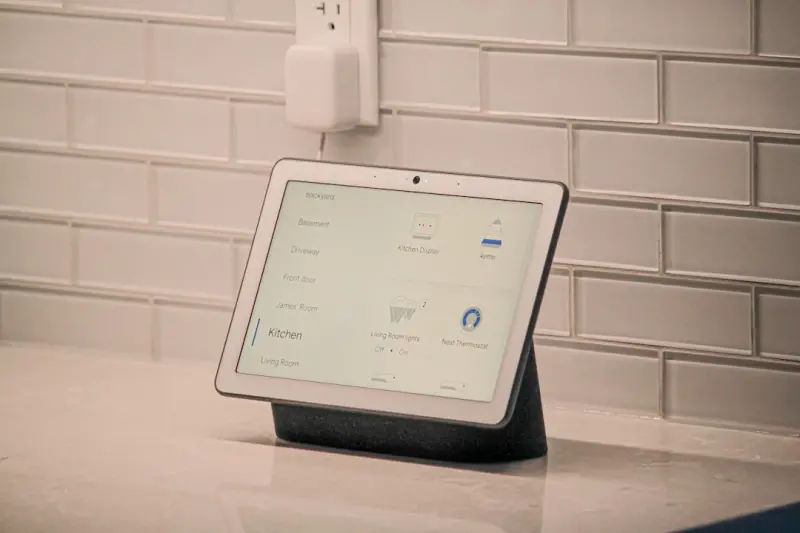
Smart Home Safety: Balancing Convenience with Real‑World Protection
A hands‑on guide to safeguarding your smart home, blending modern tech with timeless safety habits to protect family, pets, and peace of mind....Read More

Social Media Micro‑Communities: The Secret Weapon for SaaS Growth
Micro‑communities on social media are transforming SaaS growth. Learn how to build, nurture, and leverage these niche groups for real‑time feedback, higher ...Read More

Smart Appliances in 2026: How Tech Is Transforming the Sustainable Kitchen
Explore the latest sustainable kitchen trends, from AI‑driven refrigerators to circular‑economy appliances, and learn how smart upgrades can slash energy us...Read More
0 Comments
Post Comment
You will need to Login or Register to comment on this post!