
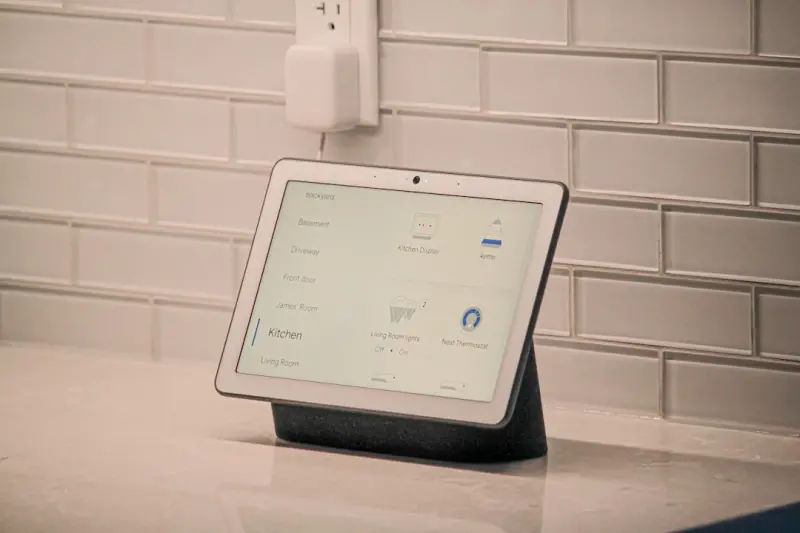
When I first swapped my old thermostat for a sleek, voice‑controlled model, I felt like I’d stepped into the future. The convenience was intoxicating, yet the moment the device whispered “temperature set to 72,” a quiet question lingered: what else is listening, and how safe is my sanctuary? As someone who juggles a home office, two kids, and a curious cat, I’ve learned that safety in a connected home isn’t just about fire alarms or sturdy locks—it’s a delicate dance between technology’s promises and the unseen vulnerabilities that creep in behind a friendly glow. In this piece, I’ll walk you through the hidden layers of modern home safety and share the practical habits that keep both my family and my peace of mind intact.
Why Safety Matters in a Connected Home
Smart devices have woven themselves into the fabric of daily life, from refrigerators that track groceries to doorbells that recognize faces, and each new gadget adds a potential entry point for mishaps. While the allure of “set‑and‑forget” automation is undeniable, the reality is that many products ship with default passwords, outdated firmware, or insecure communication protocols that can be exploited by anyone with a Wi‑Fi connection—and sometimes even by the very appliances meant to protect us. Beyond the digital realm, these devices also introduce physical risks: a malfunctioning smart plug can overheat, a voice‑controlled lock might lag, leaving doors ajar at the most inconvenient moments. Understanding this dual nature of risk is the first step toward building a home that feels both smart and safe.
Another layer of concern comes from the sheer volume of data these gadgets collect. Motion sensors, cameras, and even smart mirrors capture intimate snapshots of our routines, creating a detailed map of when we’re home, asleep, or away. When this data lands in the cloud, it becomes a prized target for cyber‑criminals seeking to piece together personal patterns that could be used for everything from identity theft to physical break‑ins. The paradox is stark: the more we rely on technology to guard us, the more we must guard the technology itself. That’s why I always start my safety overhaul by auditing every device’s privacy settings, ensuring firmware is up‑to‑date, and, when possible, opting for local‑only processing that keeps sensitive information behind my own walls.
Building a Layered Defense
Think of home safety like a fortified castle: a single gate won’t stop a determined intruder, but a series of walls, moats, and watchtowers dramatically raise the odds of staying secure. The foundation is a robust, password‑protected Wi‑Fi network—nothing short of a strong, unique passphrase and a separate guest network for visitors or IoT gadgets. From there, I add a hardware firewall or a reputable router that offers intrusion detection, which acts as the first digital moat. Next, I enable two‑factor authentication on all smart‑home accounts, turning a stolen password into an almost useless piece of information.
Physical safety still reigns supreme, so I pair my digital measures with classic tools: smart smoke detectors that speak to my phone, carbon‑monoxide sensors that flash red, and a network of motion‑activated lights that deter prowlers after dark. The real magic happens when these devices communicate—your smoke alarm can trigger a smart lock to automatically lock doors, while a water‑leak sensor can shut off the main valve before a burst turns your kitchen into a flood zone. This integration, however, demands careful planning; I always map out each device’s role, test the automation regularly, and keep a manual override handy for when technology decides to take a coffee break.
For families with kids and pets, the stakes rise even higher. I’ve installed child‑proof smart switches that can be disabled via a password, ensuring my toddlers can’t accidentally turn on appliances. Pet‑friendly cameras with treat dispensers double as both entertainment and a way to monitor their safety when I’m away. Yet, I remain wary of over‑automation—too many triggers can create confusing loops. A simple rule I follow is the “one‑action‑per‑device” principle: each gadget should have a clear, singular purpose, reducing the chance of unintended consequences that could endanger loved ones.
Smart Steps for Everyday Peace of Mind
Implementing a safety overhaul doesn’t have to be a massive, budget‑blowing project. I began with a modest checklist: replace outdated routers, upgrade firmware on every device, and install a single, high‑quality smart smoke detector that integrates with my phone. From there, I added a battery backup for my home‑assistant hub, ensuring that a power outage won’t silence critical alerts. If you’re curious about how your data practices tie into broader safety, I recommend reading about online safety strategies, which highlight the overlap between digital hygiene and physical security.
Another practical move is to schedule quarterly “safety sprints”—short sessions where you test each automation, verify that locks respond promptly, and simulate emergencies like a fire alarm to see how your devices react. This habit not only catches software glitches before they become crises but also reinforces muscle memory for every family member, turning safety into a shared responsibility. When budgeting, prioritize devices that offer multiple safety functions; a smart thermostat that can also detect extreme temperature spikes can prevent both fire hazards and frozen pipes.
Finally, remember that safety is a living practice, not a set‑and‑forget checklist. Stay informed about emerging threats, especially as new gadgets flood the market, and don’t shy away from community resources—forums where homeowners exchange firmware updates or share real‑world experiences can be invaluable. For those intrigued by the business side of data, a quick dive into personal data marketplaces can illuminate how your information is valued and why protecting it matters beyond personal safety. By blending thoughtful technology choices with timeless precaution, you can create a home that feels both cutting‑edge and securely grounded.

Steph Sanderson is a Toronto-based freelance writer and content creator with a clear passion: crafting compelling articles. With a dedication to clear, engaging prose and a knack for storytelling, Steph brings a wealth of experience to every project.
Related Posts

The Invisible Safety Net: Real‑Time Alerts for Distributed Teams
A deep dive into building an invisible safety net for remote teams, blending real‑time contextual ... Read More

Redefining Safety for Remote‑First SaaS Teams
Explore a three‑pillar safety framework—workspace resilience, digital trust, and environmental w... Read More

Beyond the Checklist: A Holistic Approach to Everyday Safety
A fresh perspective on safety that blends digital hygiene, home ergonomics, commuting awareness, and... Read More
Top Posts

Scam Survival: Spotting the Modern Cons That Threaten Your Wallet
Discover the hidden tactics behind modern scams—from AI‑driven phishing to bogus green investments—and get actionable steps to protect your money and pers...Read More

Modular Laptops: Building a Future‑Proof Portable Powerhouse
Explore the rise of modular laptops and practical ways to upgrade, extend battery life, and create an ergonomic workstation—all without replacing your entire ...Read More

How to Turn Every Room into a Calm, Functional Sanctuary
Learn how to redesign each room with purpose‑first layouts, multi‑functional furniture, smart lighting, and sustainable habits to create a calm, functional ...Read More

The Green Way to Sparkle: Transform Your Home with Eco‑Cleaning
Explore practical eco‑cleaning methods that turn everyday chores into powerful actions for health and the environment, complete with DIY recipes and community...Read More
0 Comments
Post Comment
You will need to Login or Register to comment on this post!