
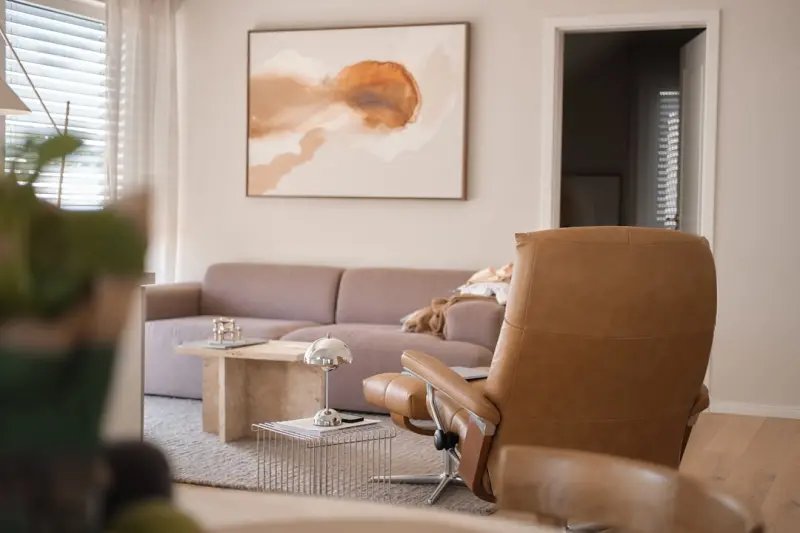
Reimagining Your Home: From Cluttered Rooms to Calm, Functional Sanctuaries
There’s a certain magic that happens when a space feels both inviting and efficient. It’s not about stripping away personality or chasing the latest trend; it’s about curating an environment that serves your daily rhythm while nurturing your well‑being. As someone who’s spent countless evenings rearranging furniture, testing storage hacks, and sipping tea in newly‑created nooks, I’ve learned that the secret lies in a blend of intentional design, smart organization, and a dash of sensory awareness. In this guide, I’ll walk you through practical, research‑backed strategies to transform every room in your home into a calm, functional sanctuary.
1. Start with a Purpose‑First Layout
Before you even think about paint colors or décor, ask yourself one simple question: What is the primary purpose of this room? A living room that doubles as a home office needs a different flow than a bedroom meant for restful sleep. Write down the top three activities you perform in each space. This exercise helps you allocate zones, eliminate unnecessary furniture, and create a logical traffic pattern.
- Living Room/Office Hybrid: Position your desk near a natural light source, but keep it distinct from the seating area with a rug or a low bookshelf. This visual cue tells your brain it’s time to work when you sit at the desk, and time to relax when you sink into the couch.
- Kitchen as a Social Hub: Install a small island or a sturdy cart that can serve as both prep space and a casual dining spot. When friends gather, they’ll naturally gravitate toward this multifunctional centerpiece.
- Bedroom Retreat: Keep the floor clear of clutter. A simple nightstand with a lamp, a good book, and a water glass is all you need to wind down.
When you map out a purpose‑first layout, you’ll notice a dramatic reduction in “dead zones” — those awkward corners that never get used. This clarity also makes it easier to decide what truly belongs in each room.
2. Embrace Multi‑Functional Furniture
Space is a premium commodity, especially in apartments or homes with open‑plan designs. Multi‑functional furniture is the Swiss army knife of interior design. Think of a sofa bed that effortlessly transitions from a daytime lounge to a nighttime sleeping spot, or an Ottoman with hidden storage that doubles as a coffee table.
Here are my top picks:
- Fold‑out desks: Perfect for guest rooms that double as workspaces. When not in use, they fold flat against the wall, preserving floor space.
- Expandable dining tables: A table that seats four can be extended to eight for holidays, then tucked back for everyday meals.
- Wall‑mounted drop‑leaf tables: Ideal for narrow hallways or tiny kitchens, they can be raised for meals and lowered when you need extra prep area.
Investing in such pieces not only maximizes square footage but also reduces the need for extra storage units, keeping your home visually lighter.
3. Curate Calm with Light and Color
Light is the unsung hero of tranquility. Natural daylight boosts mood, regulates circadian rhythms, and makes spaces appear larger. If you’re lucky enough to have large windows, keep them unobstructed. Use sheer curtains that filter sunlight while maintaining privacy.
When natural light is scarce, layer your artificial lighting:
- Ambient lighting: Recessed LEDs or soft ceiling fixtures provide a gentle, all‑around glow.
- Task lighting: Desk lamps or under‑cabinet lights focus illumination where it’s needed most.
- Accent lighting: Warm LED strips behind shelves or within coves add depth and a sense of coziness.
Color choice plays a pivotal role, too. Soft, muted hues such as sage green, dove gray, or warm taupe create a soothing backdrop, while pops of deeper colors in accessories (throw pillows, artwork) add personality without overwhelming the senses.
4. Declutter with a “One‑In, One‑Out” Rule
Clutter is the antithesis of calm. The “one‑in, one‑out” rule is a simple yet powerful habit: for every new item you bring home, you must part with an existing one. This practice prevents accumulation and encourages mindful purchasing.
Start with a quick audit of each room:
- Pick up everything on a surface (tables, countertops) and sort into “keep,” “donate,” and “discard.”
- For items you keep, ask yourself: Do I use this weekly? Monthly? If the answer is “monthly,” store it out of sight in a labeled bin.
- Donate gently used items to local charities or community centers. Not only does this clear space, but it also contributes to a circular economy.
Consistently applying this rule creates a virtuous cycle of space preservation and intentional living.
5. Smart Storage Solutions That Blend In
Storage doesn’t have to be an eyesore. Here are some sleek options that double as décor:
- Built‑in niches: Recessed shelving in walls provides display space without protruding furniture.
- Floating shelves: Perfect for books, plants, or curated collections, they keep the floor clear and add vertical interest.
- Under‑bed drawers: Use the often‑wasted space beneath your mattress for seasonal clothing or linens.
- Furniture with concealed compartments: Coffee tables with hidden trays or benches with lift‑top storage keep everyday items out of sight.
When storage blends seamlessly with design, you’re less likely to see it as a chore and more as an integral part of your home’s aesthetic.
6. Bring Nature Inside
Plants are more than decorative accents; they improve air quality, boost mood, and add a subtle layer of texture. If you’re new to plant care, start with low‑maintenance varieties like snake plant, pothos, or ZZ plant. Position them near natural light sources, and they’ll thrive with minimal attention.
For a cohesive look, group plants of varying heights on a wide, low shelf. Add a decorative tray underneath for a polished finish. This creates a mini‑ecosystem that feels both intentional and calming.
7. Soundscapes: Quiet the Chaos
Noise pollution can sabotage even the most beautifully arranged rooms. Soft furnishings—rugs, curtains, upholstered furniture—absorb sound, reducing echo and creating a hushed atmosphere. Consider adding a thick rug under the dining table or a heavy drape behind a home office desk.
If you crave an extra layer of tranquility, try a white‑noise machine or a playlist of gentle ambient sounds. The subtle hum of a fan or the distant rush of ocean waves can mask disruptive noises from traffic or neighbors.
8. Personalize with Meaningful Details
Functionality doesn’t have to be sterile. Incorporate elements that tell your story: travel souvenirs, family photographs in simple frames, or a handcrafted vase. These pieces anchor your space emotionally, making it feel lived‑in and loved.
When selecting décor, opt for items that also serve a purpose. For example, a decorative basket can hold blankets, and a beautifully bound journal can double as a coffee table accent while inviting you to write.
9. Leverage Technology Thoughtfully
While this post is about home tips, technology can enhance comfort without overwhelming the aesthetic. Smart lighting systems let you dim or brighten rooms with voice commands, creating the perfect ambiance for reading or movie nights. A programmable thermostat ensures your home stays at an optimal temperature while conserving energy.
If you’re interested in how technology can intersect with sustainability, you might explore Designing SaaS for a Greener Planet. The same principles of efficiency and minimal waste apply at home when you choose energy‑saving devices and automation.
10. The Ritual of Evening Reset
End each day with a brief “reset” routine. Spend five minutes returning items to their designated spots, dim the lights, and perhaps light a scented candle or diffuse essential oils. This practice signals to your brain that the day is winding down, promoting better sleep and a clearer mind for tomorrow.
Consistent routines reinforce the calm you’ve cultivated throughout the space, turning your home into a true sanctuary.
11. A Case Study: Turning a Small Apartment into a Multi‑Zone Oasis
One of my friends, Maya, lives in a 650‑square‑foot studio. She felt cramped, especially when working from home. By applying the principles above, she transformed her apartment into three distinct zones:
- Work Zone: A compact wall‑mounted desk with a fold‑away chair, positioned near the window for natural light. She added a floating shelf above for supplies, keeping the floor clear.
- Living Zone: A loveseat that converts into a sleeper, paired with a coffee table that has hidden storage for blankets and books.
- Sleep Zone: A platform bed with built‑in drawers and a soft, neutral color palette that encourages rest.
She incorporated a few thriving succulents on the windowsill, used a plush rug to define the living area, and installed a smart plug for her lamp to gradually dim in the evening. The result? A spacious feel, higher productivity, and a calmer mindset.
12. Maintaining the Sanctuary
Creating a calm, functional home is only the first step; maintaining it requires consistent attention. Schedule a monthly “home audit” where you:
- Quickly scan each room for out‑of‑place items.
- Wipe down surfaces and freshen up textiles.
- Rotate decorative pieces to keep the visual interest alive.
This habit ensures that clutter doesn’t creep back in and that your space continues to serve its purpose.
13. Looking Ahead: Sustainable Upgrades
When it’s time to refresh or upgrade, consider sustainability. Opt for furniture made from reclaimed wood, low‑VOC paints, and energy‑efficient appliances. These choices not only reduce your carbon footprint but also often come with a timeless aesthetic that ages gracefully.
For inspiration on aligning tech with eco‑friendly values, the article When AI Becomes the Silent Partner in B2B Growth explores how intelligent systems can drive efficiency—a concept you can translate to smart home devices that learn your habits and adjust energy use accordingly.
Conclusion: Your Home, Your Haven
Transforming your home into a calm, functional sanctuary isn’t about costly renovations or chasing fleeting trends. It’s about intentional choices that align space, purpose, and personal well‑being. By starting with a clear purpose, embracing multi‑functional pieces, curating light, color, and sound, and committing to regular decluttering, you’ll create an environment that supports both productivity and relaxation.
Remember, a home is a living, breathing entity. Treat it with the same care you’d give a beloved friend, and it will reward you with peace, inspiration, and a sense of belonging every time you step through the door.

Lauren Miller is a true outdoors enthusiast who has found her passion in the trades. When she's not working hard on the job, you can find her writing, camping, fishing, and exploring all that nature has to offer. A dedicated partner to her wife Beth, Lauren loves nothing more than spending quality time together and experiencing the great outdoors side by side.
Related Posts
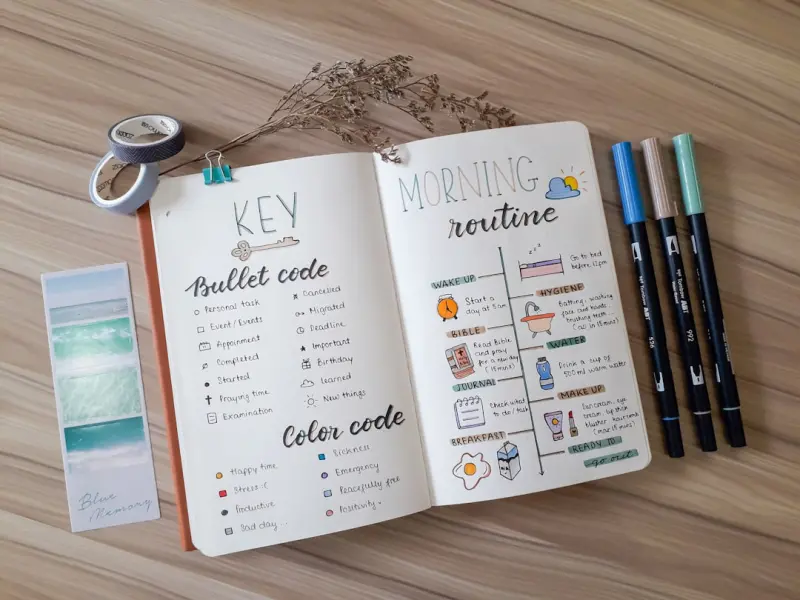
5‑Minute Daily Tidy Routine to Keep Clutter at Bay
Learn a simple five‑minute daily tidy routine that fits any schedule, boosts productivity, and cre... Read More
The Secret to a Calm, Clutter-Free Home That Actually Works
Learn how to transform your home into a tranquil, organized sanctuary using simple habits like the o... Read More

Robert Mathews' Top Home Tips for a Greener, Smarter Living Space
Robert Mathews shares his favorite eco‑friendly home hacks, from energy‑saving tech to upcycled ... Read More
Top Posts

Unlocking the Secret Power of Home Fermentation: A Flavor‑First Journey
Explore the art of home fermentation, from starter kits to pairing drinks, and learn how to create vibrant, health‑boosting foods while connecting with fellow...Read More
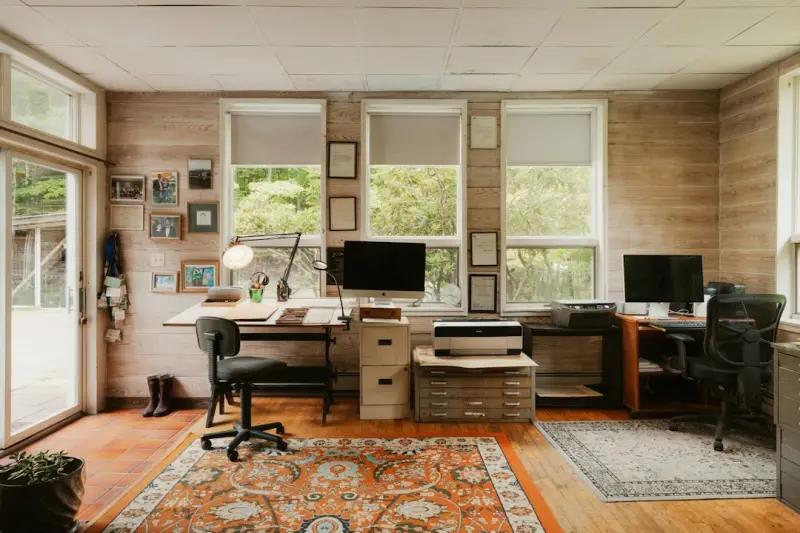
Designing a Pet‑Friendly Home Office That Boosts Your Well‑Being
Discover how to create a pet‑friendly home office that enhances productivity and well‑being, with actionable design ideas, safety tips, and strategies for b...Read More

Quiet Revolutions: How Everyday Digital Choices Lighten Our Planet's Load
Margaret Thomson shows how SaaS companies can reduce their environmental footprint through smarter data storage, renewable energy credits, durable UI design, ed...Read More

Parametric Insurance: Converting Weather Data into Predictable Payouts
A deep dive into parametric insurance, showing how businesses can leverage real‑time weather data and smart contracts to protect against climate‑related dis...Read More
0 Comments
Post Comment
You will need to Login or Register to comment on this post!