

Why Home Fermentation Is the Quiet Revolution in Every Kitchen
When I first watched a jar of cabbage transform into crisp, tangy sauerkraut, I realized that fermentation is less a trend and more a timeless dialogue between ingredients and microbes. Home fermentation invites us to step back from the instant‑gratification mindset of modern cooking and to honor the slow, inevitable chemistry that builds depth and health in our meals. It’s a practice that feels both rebellious and rooted, offering a tangible way to reclaim flavor in an age of processed shortcuts.
The Science Behind the Bubbles: Microbes as Flavor Architects
At its core, fermentation is a partnership with bacteria, yeast, and sometimes mold, each contributing a unique metabolic fingerprint that turns sugars into acids, gases, and aromatic compounds. This alchemy not only preserves food but also amplifies nutrients—vitamins B and K, probiotics, and antioxidants flourish as microbes break down complex molecules. Understanding this invisible workforce demystifies the process, turning fear of “wild” cultures into confidence that you’re cultivating a living, breathing ingredient.
Getting Started: Tools, Starters, and Simple Steps
Before you dive in, gather a few essentials: a non‑reactive container (ceramic crocks or glass jars work wonders), a reliable weight to keep produce submerged, and a breathable cloth to guard against unwanted contaminants.
- Glass mason jar (1‑quart)
- Food‑grade weight or small fermentation stone
- Clean kitchen towel or coffee filter
These items keep the environment stable, allowing the starter cultures—whether a piece of sourdough starter, whey, or simply wild lactobacilli from the vegetables themselves—to thrive without competition. The magic begins when you salt your vegetables, pack them tightly, and seal the jar, trusting the microbes to do the rest.
Starter Recipes That Turn Everyday Produce Into Gourmet Treasure
With a foundation in place, the world of fermented foods opens like a pantry of possibilities. Begin with classic sauerkraut: shred cabbage, massage with 2 % salt, press down, and let it sit for 3‑5 days, tasting daily until you hit that perfect balance of crunch and bite. Next, try kimchi, adding garlic, ginger, gochugaru, and fish sauce for a fiery, umami‑rich twist that matures over a week. For a beverage angle, brew kombucha using sweet tea, a SCOBY, and a splash of fruit juice, allowing it to carbonate for 5‑7 days. Each batch teaches you to read the subtle cues—bubbles, aroma, texture—that signal when your creation is ready to shine.
Pairing Fermented Flavors With Drinks: A Sensory Matchmaking Game
Fermented foods don’t just stand alone; they command attention when paired with the right beverages. The acidity of a well‑aged kimchi can cut through the richness of a buttery chardonnay, while the effervescence of kombucha complements the crispness of a saison craft beer. Even a robust porter finds harmony with the earthy undertones of miso‑fermented carrots, creating a dialogue between bitter, sweet, and umami that elevates both the dish and the drink. Experimenting with these pairings turns every meal into a tasting adventure, encouraging you to think beyond traditional wine‑and‑cheese pairings.
Building Community Around Fermentation: From Kitchen Table to micro‑interest food communities
One of the most rewarding aspects of fermentation is the sense of belonging it fosters. Online forums, neighborhood swaps, and local workshops become hubs where enthusiasts trade jars, tips, and stories, turning solitary experiments into collective learning. These micro‑interest groups amplify creativity, as a simple misstep in one kitchen can spark a new flavor profile in another. By sharing your successes—and the inevitable failures—you contribute to a growing tapestry of culinary knowledge that enriches everyone’s palate.
Sustainable Kitchen Practices: How to future‑proof your kitchen With Fermentation
Fermentation aligns seamlessly with a sustainable lifestyle, reducing food waste by extending the shelf life of seasonal produce and creating nutritious staples from leftovers. It also lowers energy consumption; unlike baking or frying, it requires no heat, just ambient temperature and time. Investing in a few durable, reusable tools—glass jars, silicone lids, and stainless‑steel weights—means you’re building a kitchen ecosystem that can adapt to changing food trends without adding to the landfill. This low‑tech, high‑impact approach makes your culinary space resilient, resource‑smart, and ready for any future food movement.
Common Pitfalls and How to Overcome Them
Even seasoned fermenters encounter challenges: cloudiness, off‑flavors, or mold. Most issues stem from improper salt ratios, temperature fluctuations, or insufficient submersion of the produce. To prevent mold, keep everything under the brine and use a clean weight; if a surface film appears, skim it off and continue. Temperature is another silent influencer; aim for a consistent 65‑72 °F (18‑22 °C) to keep the microbes happy. With these safeguards, a few missteps become valuable lessons rather than setbacks.
Invitation: Make Your Own Fermented Journey Today
Fermentation is an invitation to become both scientist and artist in your own kitchen, turning everyday ingredients into vibrant, health‑boosting creations. I challenge you to start with a single jar—perhaps a batch of sauerkraut or a bottle of kombucha—and watch the transformation unfold over days, not minutes. Share your results, join a micro‑interest food community, and let the flavors guide you toward a more connected, sustainable, and delicious way of living.

David Moore is a freelance writer specializing in two dynamic and ever-evolving fields: gambling and the tech industry. With a keen eye for detail and a knack for unraveling complex topics, David delivers insightful and engaging content that keeps readers informed and entertained.
Related Posts
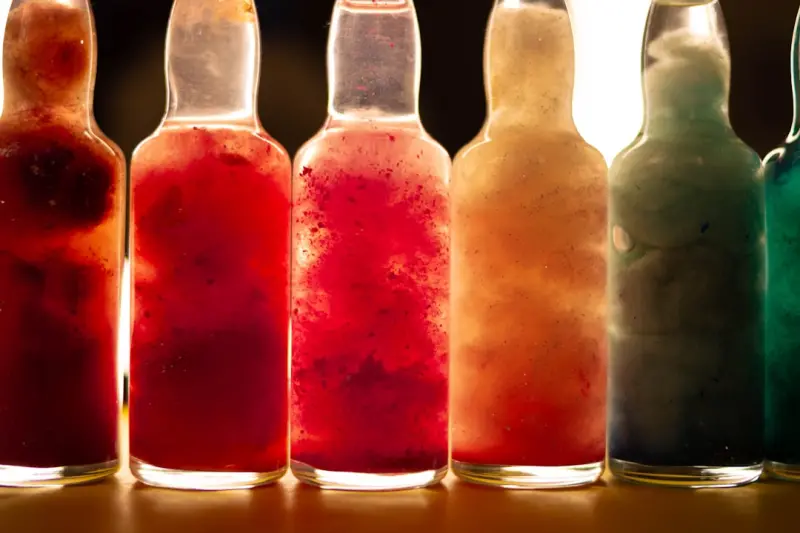
Fermented Mocktails and Data‑Driven Kitchens: A New Wave in Food & Drink
Discover how real‑time data, AI‑guided fermentation, and eco‑friendly tech are transforming th... Read More
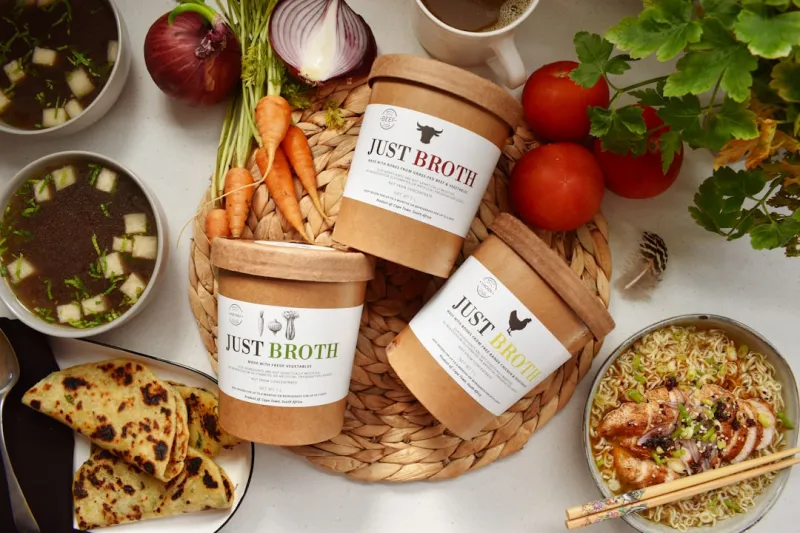
The Rise of Sustainable Food Systems: A New Era of Eco-Friendly Eating
Sustainable food systems are becoming increasingly important as the world grapples with climate chan... Read More
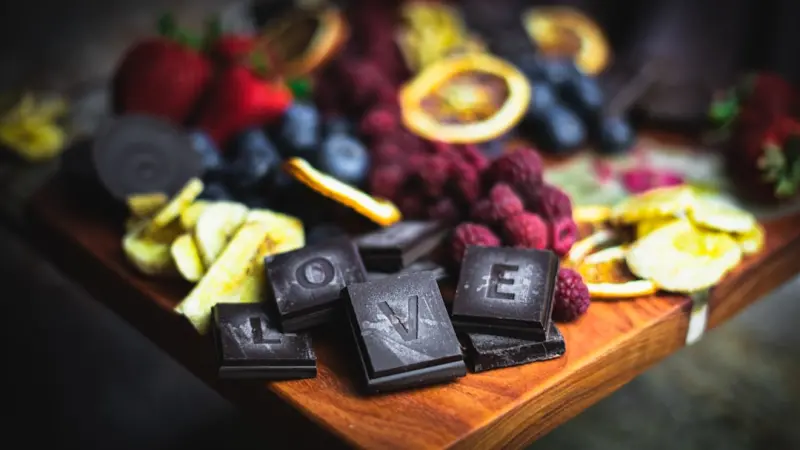
Flavor Alchemy: Data‑Driven Pairings Redefine Menus
A deep dive into how chefs are using analytics, zero‑waste techniques, and narrative-driven dishes... Read More
Top Posts

Crafting a Portfolio Career for Uncertain Times
A portfolio career blends core expertise, adjacent opportunities, and passion projects into a flexible, multi‑income professional strategy. Discover practical...Read More

Designing for Cognitive Ease: A New Playbook for SaaS Interfaces
Discover a fresh, brain‑based approach to web design that reduces mental effort, improves user satisfaction, and drives higher conversion rates for SaaS produ...Read More

Virtual Horizons: Seniors Embrace Immersive Travel
Immersive virtual reality is redefining senior living, offering travel, social interaction, and health benefits while promoting sustainability and community eng...Read More

Building a Greener Nursery: Sustainable Choices for Modern Parents
A sustainable nursery goes beyond cute décor; it’s a thoughtful blend of renewable materials, energy‑saving tech, and low‑impact toys that nurture both b...Read More
0 Comments
Post Comment
You will need to Login or Register to comment on this post!