
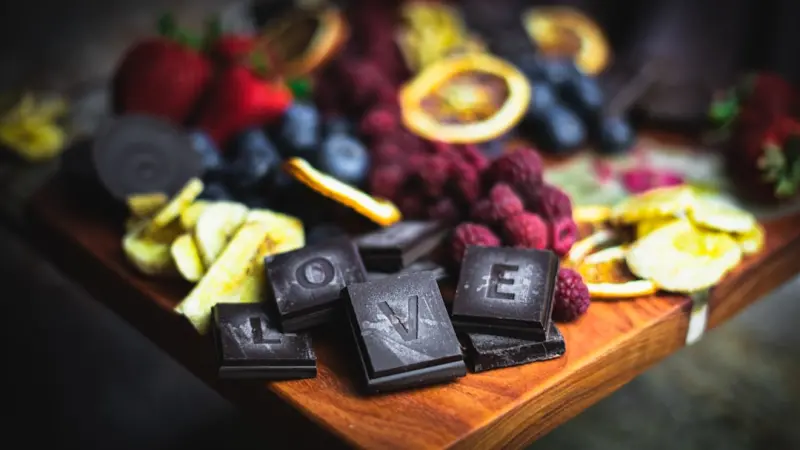
When I first stepped into a bustling open‑kitchen restaurant, the clatter of pans and the hum of conversation felt like an orchestra tuning up. It struck me that the modern dining experience is no longer just about taste; it’s a data‑driven, sustainably minded, socially connected performance. In this piece, I’ll explore how chefs are harnessing analytics, rethinking waste, and turning the very act of eating into a platform for innovation. Buckle up, because the menu we’re serving today is anything but ordinary.
The Data‑Savvy Palate: When Numbers Meet Nostalgia
Imagine a chef who can predict the next big flavor trend before it even hits the market. That’s not a crystal ball—it’s sophisticated data modeling. Restaurants are now tapping into point‑of‑sale systems, social media sentiment analysis, and even weather patterns to craft menus that feel both familiar and groundbreaking.
- Real‑time sales dashboards reveal which dishes are flying off the line at 2 p.m. versus 8 p.m., allowing kitchens to adjust prep schedules on the fly.
- Social listening tools scan Instagram hashtags and TikTok videos to spot emerging ingredients—think “golden turmeric latte” before it becomes a mainstream staple.
- Predictive analytics incorporate local climate data; a sudden heatwave can boost demand for refreshing citrus salads, while a cold snap may increase comfort‑food orders.
By marrying this intelligence with culinary intuition, chefs become part‑time data scientists, crafting experiences that resonate on a personal level while optimizing operational efficiency. The result? Menus that feel curated for the moment, yet timeless in flavor.
Zero‑Waste Cocktails: Turning Leftovers Into Liquid Gold
Waste in the kitchen has traditionally been a silent adversary—peels, stems, and pulp destined for the trash. But the new wave of mixologists sees these remnants as untapped flavor reservoirs. A lemon zest that would otherwise be discarded can become a bright, aromatic garnish, while spent coffee grounds find a home in an earthy, bitters‑infused spirit.
Here’s a quick recipe I’ve tested during a pop‑up in a reclaimed warehouse:
- Collect citrus peels, herb stems, and spent tea bags over a week.
- Combine them with a base spirit (gin or vodka) and let steep for 48 hours.
- Strain, add a splash of simple syrup, and garnish with a fresh herb sprig.
The resulting cocktail is a symphony of flavors that tells a story of resourcefulness. It also aligns with a growing consumer appetite for sustainability, turning an ordinary night out into an eco‑conscious statement.
From Forgotten Nooks to Culinary Sanctuaries
Every restaurant has that underutilized corner—a pantry nook, a storage closet, or a neglected balcony. Rather than letting these spaces languish, visionary chefs are transforming them into micro‑gardens, fermentation labs, or pop‑up tasting rooms. This not only maximizes square footage but also creates a narrative that diners can engage with.
Take, for example, a downtown bistro that repurposed its rooftop access into a Turning Forgotten Corners Into Curated Sanctuaries showcase. By installing vertical grow systems, they now harvest micro‑herbs on‑site, reducing ingredient lag and adding a visual intrigue that patrons love snapping for their socials.
Energy‑Smart Cooking: When Kitchens Get a Power Upgrade
Cooking is one of the most energy‑intensive processes in a commercial setting. Yet, many establishments still rely on outdated appliances that guzzle electricity and inflate utility bills. The solution lies in adopting smart, energy‑aware equipment that communicates with kitchen management software.
Modern induction burners, for instance, can adjust heat levels based on real‑time temperature feedback, cutting down on over‑cooking and excess energy use. Coupled with a kitchen display system that tracks the energy draw of each station, managers can pinpoint inefficiencies and reallocate resources.
This approach mirrors the principles outlined in Powering SaaS Growth with Energy Intelligence, where data-driven insight drives operational savings. In a culinary context, the payoff is twofold: lower overhead and a greener brand story that resonates with eco‑conscious diners.
Flavor Pairing Algorithms: Science Meets Sensory Delight
What do chefs and software engineers have in common? Both love to find patterns. Flavor pairing algorithms analyze the chemical compounds of ingredients—like the shared volatile molecules between dark chocolate and blue cheese—to suggest harmonious combinations.
One platform I’ve consulted for uses a database of over 15,000 ingredients, mapping each to its aromatic profile. The engine then suggests pairings based on complementary or contrasting notes. The result? Dishes that surprise and satisfy, such as a beet‑infused panna cotta paired with a rosemary‑smoked caramel.
While the technology is impressive, the human touch remains essential. Chefs must interpret data through the lens of culture, seasonality, and personal creativity. The best outcomes happen when algorithmic suggestions become the starting point for culinary storytelling.
The Social Plate: Dining as a Community Builder
Food has always been a social glue, but digital platforms have amplified its reach. Interactive tables that let guests vote on the next course, QR‑code menus that link to ingredient provenance videos, and live‑streamed kitchen tours all foster a sense of participation.
Restaurants that encourage diners to share their experience in real time generate organic buzz and a feedback loop that informs future menu tweaks. In practice, this could look like a nightly “Taste Test” where patrons sample a new dish and instantly rate it via a tablet, feeding data straight back to the chef’s console.
Crafting a Narrative: The Power of Storytelling on the Plate
Every dish tells a story—whether it’s a homage to a hometown, a celebration of a seasonal harvest, or a reinterpretation of a classic technique. By weaving narrative into the menu, chefs deepen emotional connections and command a premium price point.
For instance, a farm‑to‑table eatery might include a brief note about the farmer who grew the heirloom tomatoes used that night. This transparency not only educates diners but also builds trust, echoing the ethos of turning communication channels into relationship builders—a concept that resonates across industries.
Future Trends to Watch
Looking ahead, several emerging trends promise to reshape the food & drink landscape:
- AI‑assisted menu design: Automated tools that generate dish concepts based on inventory, dietary trends, and profit margins.
- Hybrid dining experiences: Blending virtual reality with physical tasting sessions to transport diners to the origins of their ingredients.
- Regenerative sourcing: Partnerships with farms that focus on soil health and biodiversity, turning the supply chain into a climate‑positive venture.
- Personalized nutrition: Menus that adapt to individual health data, offering bespoke macronutrient profiles.
While these innovations are still nascent, the underlying principle is clear: the future of food lies at the intersection of data, sustainability, and storytelling. Chefs who embrace this trifecta will not only delight palates but also lead the industry toward a more responsible and immersive dining era.
Wrapping It Up: A Call to Culinary Curiosity
If you’re a restaurateur, chef, or food enthusiast, consider how the ideas above can be applied in your own kitchen. Start small—maybe by tracking which dishes sell best at different times of day, or by repurposing a forgotten storage space into a herb garden. The beauty of this approach is its scalability; every incremental improvement compounds into a richer, more resilient culinary operation.
Remember, the next great food trend isn’t just about a new ingredient; it’s about the ecosystem that supports it—from data pipelines to sustainable practices, from community engagement to the stories we tell on the plate. Embrace the alchemy, and watch your menu—and your brand—transform.

Dale Peterson is a freelance writer with a passion for technology, travel, law and personal finance. With 10 years of experience crafting compelling and informative content, he's dedicated to delivering high-quality writing for Blogging Fusion that engages audiences and achieves specific goals.
Related Posts
The Sustainable Food Revolution: How Eco-Friendly Eating is Changing the Way We Live
The sustainable food revolution is gaining momentum, and it's about more than just what we eat. It's... Read More
From Kitchen Lab to Table: The Art of Home Fermentation and Why It Matters
Discover how home fermentation blends science and mindfulness, offering flavorful, probiotic-rich fo... Read More
From Farm to Fork: How Sustainable Trends Are Transforming My Kitchen
Discover how bold flavor fusions, smart appliances, and zero‑waste practices are reshaping home co... Read More
Top Posts

How Media Agencies Are Turning Real-Time Data Into Creative Gold
Media agencies can transform the flood of live audience data into a dynamic creative engine, using AI, privacy‑first targeting, and sustainable practices to d...Read More
Microlearning Mastery: Redefining Education for the Attention Economy
Discover why microlearning is the key to thriving in the attention economy, offering concise, personalized modules that boost retention, engagement, and real‑...Read More

Playful Routines: Turning Everyday Tasks into Family Adventures
Learn how to turn ordinary tasks like brushing teeth and bedtime into engaging, themed adventures that strengthen bonds, reduce stress, and make parenting more ...Read More

Embracing Sustainability in Your Career: A Guide to a Greener Tomorrow
Learn how to create a sustainable career path that benefits both you and the environment. Discover the importance of sustainable networking, eco-friendly practi...Read More
0 Comments
Post Comment
You will need to Login or Register to comment on this post!