
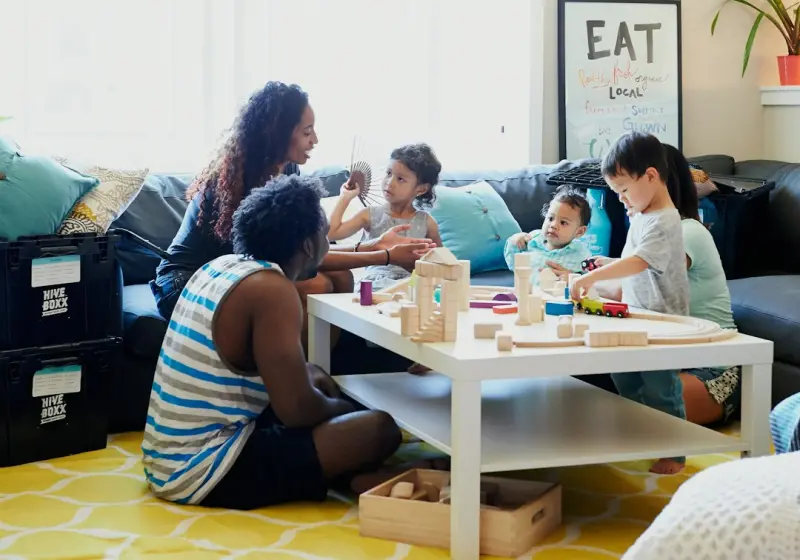
When I first held my newborn, the world seemed to shrink to the size of a tiny, swaddled bundle. Every breath I took, every decision I made, was suddenly filtered through the lens of “what’s best for this little human?” Fast forward a few years, and the chaos has transformed into a rhythm—a blend of bedtime stories, snack negotiations, and the occasional triumphant high‑five after a successful potty‑training session. Yet, amid the delightful pandemonium, I discovered a surprisingly powerful tool that has reshaped our family life: playful routines.
What Are Playful Routines, Anyway?
Traditional routines are often perceived as rigid schedules: wake up at 7 am, breakfast at 7:15, school drop‑off at 8, and so on. While predictability is essential for children’s sense of security, the word “playful” adds a twist that turns the mundane into something children (and parents) actually look forward to.
Think of a routine as a canvas. The structure—brushing teeth, putting on pajamas, reading a story—provides the outline. The playful elements—singing a silly song while washing hands, turning a bedtime walk into a “jungle safari,” or letting a child choose the order of chores—bring color and texture. The result is a routine that feels less like a chore and more like an adventure.
Why Playful Routines Matter in Today’s Fast‑Paced World
We live in an era of constant distraction. Smartphones ping, notifications buzz, and the next “to‑do” list never seems to end. Children are not immune to this digital overload; they absorb the same sense of urgency and fragmented attention that adults do. Playful routines help counteract this by:
- Creating Predictable Anchor Points: A consistent, yet fun, sequence signals to a child’s brain that certain activities will happen, reducing anxiety.
- Embedding Learning Naturally: When you sing a song about brushing teeth, you’re reinforcing dental hygiene concepts without a formal lesson.
- Fostering Emotional Connection: Shared laughter during a “sock‑matching dance” strengthens the parent‑child bond.
- Encouraging Mindful Presence: The focused attention required for a playful task pulls both parent and child away from the endless scroll of screens.
How to Design Your First Playful Routine
Designing a routine that feels both structured and whimsical is easier than you might think. Here’s a step‑by‑step guide that helped my family transition from “just get ready for school” to “the Great Morning Expedition.”
1. Identify the Core Tasks
Write down the essential steps you need to accomplish each day. For a morning routine, this might include:
- Getting out of bed
- Brushing teeth
- Getting dressed
- Eating breakfast
- Packing the backpack
2. Choose a Unifying Theme
Pick a simple, kid‑friendly theme that can tie each step together. Some favorites include:
- Space Mission: “Astronauts, let’s power up our helmets (brush teeth) before launch.”
- Jungle Safari: “We’re trekking through the savanna (walking to the bathroom) and need to spot the hidden giraffe (find the missing sock).”
- Cooking Show: “Chef Mom needs a fresh apron (clothes) and a clean whisk (toothbrush) before we start our breakfast recipe.”
3. Add Playful Hooks
For each task, sprinkle in a tiny, repeatable element that makes it fun:
- Brushing Teeth: Use a timer shaped like a rocket that “launches” after two minutes.
- Getting Dressed: Let the child pick the “mission badge” (a sticker) they’ll earn for the day.
- Breakfast: Turn the cereal bowl into a “fuel tank” and count the “fuel cells” (cereal pieces) together.
4. Keep It Flexible
The goal isn’t to lock yourself into an unbreakable schedule; it’s to create a framework that can bend when life throws a curveball. If a rainy day cancels the “jungle safari,” swap it for a “rain‑y‑day rescue mission” where the child helps you find indoor “treasures” (like a missing shoe).
5. Review and Iterate
After a week, gather feedback. Ask your child:
- “Which part of the routine was the most fun?”
- “Is there anything we could add to make it even better?”
Use their answers to tweak the routine. The best part about playful routines is that they evolve with your child’s growing interests.
Playful Routines Beyond the Morning
While the morning sets the tone for the day, playful routines can be woven into any part of the day. Here are a few of my family’s favorites:
Bedtime Wind‑Down
Instead of a straight “brush teeth, read a book, lights out” sequence, we’ve turned bedtime into a “Starlight Expedition.” The ritual includes:
- Star‑Counting: While brushing, we count the “stars” (the bristles) that sparkle on the toothbrush.
- Story‑Swap: One night I read a story; the next night my child narrates a tale using a set of illustrated cards.
- Glow‑In‑The‑Dark Sticker: After the story, the child places a tiny glow‑in‑the‑dark sticker on their ceiling, marking the “night sky.”
Homework Helper
Homework can feel like a battle. By framing it as a “Mission Control” operation, the pressure lifts. We set up a “control panel” (a small desk with colored pencils, sticky notes, and a timer) and give the child a “mission brief” (a checklist). Completing each item earns a “badge” that can be displayed on a magnetic board.
Family Chores
Turning chores into a game reduces resistance dramatically. Our “Clean‑Up Quest” includes:
- Treasure Hunt: The child searches for hidden “gold coins” (colored pom‑poms) while putting away toys.
- Time Trials: A kitchen timer becomes a “storm timer”—beat the clock to avoid the “rainstorm” (a funny sound effect).
Integrating Playful Routines with Digital Life
Technology is a double‑edged sword in parenting. It can distract, but it can also amplify the fun. Here are three ways to blend tech responsibly:
- Use Visual Timers: Apps that display a countdown with cute animations keep kids engaged without the need for a phone’s endless notifications.
- Playful Audio Prompts: Record a short, enthusiastic voice clip (“Alright, astronaut, it’s time for the next step!”) and play it when transitioning between tasks.
- Digital Reward Badges: Simple spreadsheet tools let you create a virtual badge system that mirrors the physical stickers on your fridge.
Remember, the goal is to keep the tech layer thin—use it as a catalyst for the playful elements you’ve already built, not as a replacement.
Science Backs It Up
Research in child development supports the benefits of play‑infused routines. A study from the Journal of Early Childhood Research found that children who engaged in structured play during daily transitions showed lower cortisol levels (a stress hormone) and higher executive‑function scores compared to peers with strictly procedural routines. In essence, the brain treats playful routines as a form of low‑stress rehearsal, strengthening memory pathways while keeping anxiety at bay.
Moreover, the concept of micro‑moments—brief, purposeful interactions that shape perception—translates beautifully into parenting. Each playful hook in a routine is a micro‑moment that reinforces positive behavior and builds a reservoir of goodwill.
Real‑World Example: Our “Garden Adventure”
One of the most rewarding playful routines we’ve implemented involves our backyard garden. The idea sprouted (pun intended) after I stumbled upon a fascinating article about an urban herb garden. I thought, “Why not turn gardening into a weekly expedition?”
Every Saturday morning, we don their “Explorer Hats” (brightly colored caps) and embark on a “Herb Hunt.” The children receive a simple map with symbols indicating where basil, mint, and rosemary reside. Along the way, we discuss the role of each herb, practice measuring soil moisture, and finish with a tasting session where we make a quick pesto or mint tea.
This routine does several things simultaneously:
- Encourages Responsibility: Kids water the plants and track growth.
- Introduces Science: Observing how sunlight affects the herbs becomes a live experiment.
- Creates Family Time: The shared success of a thriving garden strengthens our connection.
- Provides Tangible Rewards: Fresh herbs end up in our kitchen, turning the effort into a delicious meal.
The garden adventure has become a cornerstone of our family’s weekend, proving that playful routines can extend beyond the walls of the house.
Common Pitfalls and How to Avoid Them
Even with the best intentions, families can stumble. Here are three frequent challenges and practical fixes:
1. Over‑Complicating the Theme
It’s tempting to create elaborate storylines, but younger children thrive on simplicity. If the theme feels like a script you must memorize, the joy evaporates. Keep the narrative short and repeatable.
2. Ignoring the Child’s Input
When a child feels like a passive participant, the routine becomes a chore. Involve them in choosing the theme or the playful hook. Their investment will skyrocket engagement.
3. Letting the Routine Become Rigid
Life is messy. A missed step or an unexpected event should not trigger a crisis. Build buffer moments—like a “reset song” that signals it’s okay to adjust the plan.
Measuring Success Without Numbers
Unlike business metrics, parenting success isn’t best captured by spreadsheets. Look for these qualitative signs:
- Reduced Conflict: Fewer “I don’t want to” battles during transition times.
- Increased Enthusiasm: Children voluntarily ask to start the routine.
- Positive Mood Swings: Noticeable lift in overall household energy after a playful routine.
If you spot these, you’re on the right track. If not, revisit the steps—perhaps the theme needs a refresh or the playful hook needs tweaking.
Final Thoughts: Playful Routines as a Parenting Superpower
Parenting is an ever‑evolving adventure, and the tools we choose can either simplify the journey or add unnecessary friction. Playful routines blend the structure every child needs with the creativity that fuels their imagination. They transform everyday moments into opportunities for learning, bonding, and joy.
So, the next time you find yourself sighing at the thought of the morning scramble, pause. Ask yourself: “How can I sprinkle a little play into this?” Then, pick a theme, add a quirky hook, and watch the magic unfold. Your child will thank you with giggles, your partner will appreciate the smoother flow, and you’ll reclaim a sense of calm in the beautiful chaos of family life.
Give it a try this week. Start small—perhaps a “sock‑matching dance” before bedtime—and let the momentum grow. Before you know it, you’ll have a suite of playful routines that feel less like chores and more like cherished family traditions.

Karen Edwards is a seasoned freelance writer with a passion for all things furry, feathered, and scaled. With a dedicated focus on pets, she brings a wealth of knowledge and a keen eye for detail to her writing.
Related Posts

Turn Car Rides into Mini Science Labs for Curious Kids
Discover practical frameworks—Observation Stations, Question Cards, and Mini Experiments—to tran... Read More

Cultivating Curiosity: A Parent’s Guide to Co‑Creating Learning Adventures at Home
Learn to shift from “doing for” to “doing with” your kids by embracing micro‑rituals, blen... Read More

Balancing Remote Work and Parenting Without Losing Your Mind
A candid guide for parents juggling remote work, offering rhythms, microbreaks, and boundary tactics... Read More
Top Posts

Insurance Reinvented: Data, AI, and the New Service Model
Insurance is evolving from a back‑office necessity into a real‑time, data‑driven service. This post reveals how AI, low‑code integration, and subscripti...Read More

Turning the Office Green: Practical Steps for a Sustainable Workplace
A personal guide from Mei Chen on how simple, intentional changes—like reclaimed desk materials, biophilic design, smart power management, and greener commuti...Read More
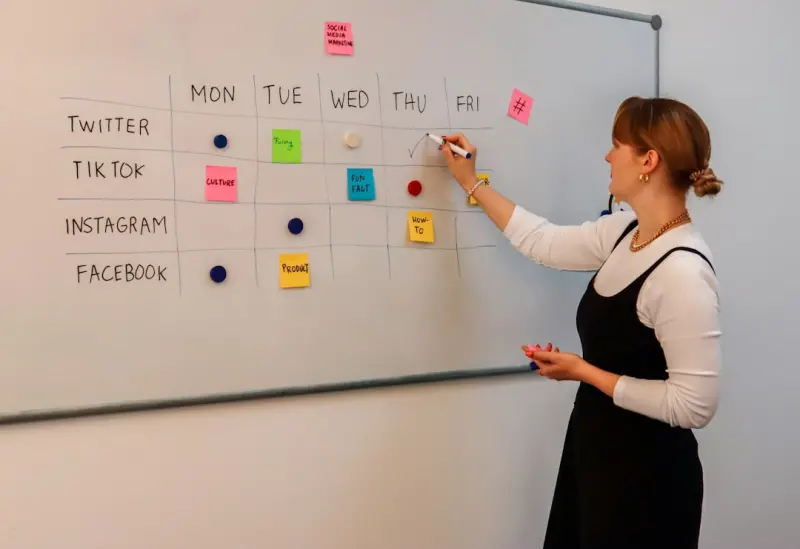
Social Listening as a Live Product Roadmap: Turning Every Mention into a Feature
Learn how to transform social media chatter into a live product roadmap. This guide walks you through the mindset shift, tech stack, workflow, and metrics to tu...Read More

Why Modern Observability Stacks Are the Secret Weapon for Scalable SaaS
Observability has evolved from isolated monitoring tools to a unified, AI‑infused platform that predicts issues before they arise. This post outlines the core...Read More
0 Comments
Post Comment
You will need to Login or Register to comment on this post!