

Why My Desk Became a Little Forest
When I first moved into a shared coworking space, I noticed something missing: a sense of belonging to the planet we all rely on. The rows of metal chairs, the hum of HVAC units, and the endless stream of disposable coffee cups felt at odds with the quiet yearning I have for nature. I decided to experiment—what if I could turn my personal workspace into a micro‑ecosystem that not only reduced waste but also boosted morale and creativity? Over the past year, I’ve layered small, intentional habits into my daily routine, and the results have been surprisingly powerful. This post walks you through the concrete steps I took, the science behind each choice, and how you can replicate the transformation without a massive budget or a complete office overhaul.
1. Rethink Your Desk Materials
Most office furniture is built from non‑renewable plastics or particle board that releases volatile organic compounds (VOCs). Swapping to reclaimed wood, bamboo, or recycled metal reduces embodied carbon and creates a healthier indoor air quality. I started by replacing my old plastic keyboard tray with a simple bamboo organizer—lightweight, sturdy, and compostable at the end of its life. The tactile feel of natural grain instantly made me more mindful of my typing rhythm.
For those who can’t replace entire desks, consider a desk mat made from cork. Cork is harvested without harming the tree, and it naturally absorbs sound, cutting down on the need for additional acoustic panels. This subtle change adds a warm texture under your elbows while supporting a renewable industry.
2. Bring Biophilic Elements Into View
Biophilia, the innate human attraction to nature, isn’t just a buzzword; studies show that plants improve concentration, lower stress, and even boost indoor humidity, reducing the spread of airborne viruses. I started with a modest snake plant—its low light tolerance and air‑purifying properties made it perfect for a windowless cubicle. After a month, I added a trailing pothos on the edge of my monitor stand, creating a living cascade that softens harsh LED glare.
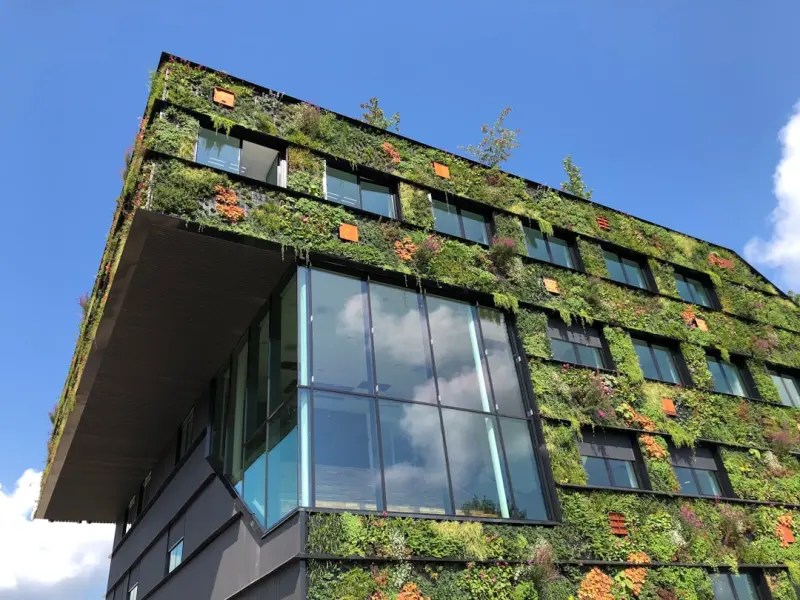
Don’t stop at pots. Use living walls made from modular panels that attach to existing partitions. Even a single panel spanning a foot of wall can host a variety of succulents, creating a vertical garden that absorbs CO₂ and adds visual depth. If you’re in a larger office, champion a shared “green corner” where teams can rotate responsibility for watering and pruning—a simple way to foster community while keeping the ecosystem thriving.
3. Power Down With Intentional Plug Management
Idle electronics account for up to 10% of an office’s total energy consumption. I installed a smart power strip that automatically cuts power to peripherals after a set period of inactivity. The strip also provides real‑time usage data via a mobile app, turning abstract electricity bills into tangible numbers you can act upon.
Beyond devices, examine your lighting. Replace fluorescent tubes with LED panels that have a high efficacy rating (lumens per watt). Pair them with motion sensors in low‑traffic zones so lights dim or turn off when rooms are empty. The cumulative savings may seem modest, but across a floor of 200 desks, it adds up to a significant reduction in carbon footprint.
4. Choose Sustainable Stationery Thoughtfully
Paper may be the most obvious target, yet many offices still rely on single‑use notepads and plastic‑wrapped sticky notes. I switched to a recycled notebook bound with a biodegradable cover, and I keep a small tin of plant‑based sticky notes at my desk. When the supply runs low, I refill the tin with a bulk pack of compostable notes—no more plastic waste.
Ink cartridges are another hidden culprit. Opt for refillable pens or, better yet, a DIY cleaning solution made from vinegar and citrus peels to keep surfaces spotless without chemicals. This approach not only cuts costs but also eliminates hazardous runoff that can end up in municipal water supplies.
5. Redesign Your Digital Workflow for Green Gains
Digital collaboration tools are often praised for reducing travel, but they also have hidden energy demands—servers, data transfers, and storage. I advocated for a “green folder” policy: files older than six months are archived to low‑energy cold storage, and duplicate copies are eliminated to trim unnecessary data replication.
When evaluating new SaaS platforms, ask providers about their carbon‑neutral commitments or renewable energy usage. Companies that power their data centers with wind or solar not only align with your sustainability goals but also tend to offer more resilient, future‑ready services. By selecting environmentally conscious vendors, you amplify your impact beyond the office walls.
6. Encourage Eco‑Friendly Commuting
Transportation emissions often dwarf on‑site energy use. To address this, I organized a monthly “bike‑to‑work” challenge, offering a modest stipend for bike‑share subscriptions and secure bike racks. For those farther away, a car‑pool matching board—hosted on an internal Slack channel—helped employees find nearby colleagues for shared rides.
Telecommuting options also play a crucial role. By proposing a flexible schedule that allows two remote days per week, I reduced my personal commute emissions by roughly 30%. When everyone embraces a hybrid model, the office’s overall carbon intensity drops dramatically, freeing up space for greener initiatives like indoor gardens or solar panel installations on the roof.
7. Leverage Circular Design Insights
While my focus is on everyday office practices, I draw inspiration from broader industry shifts toward circular economies. The principles outlined in circular design and real‑time insight illustrate how manufacturers can extend product lifespans and minimize waste. Applying a similar mindset, I audit my office supplies annually, looking for opportunities to refurbish, donate, or repurpose items before they become trash.
For example, old monitor stands that are no longer needed become plant risers, and surplus packaging from shipments is collected in a designated recycling bin for local charities that reuse cardboard for community projects. This closed‑loop approach reinforces a culture where waste is seen as a resource, not an afterthought.
8. Celebrate Small Wins and Share the Story
Culture change thrives on recognition. I started a weekly “Green Spotlight” email highlighting a teammate’s sustainable action—whether it’s a new plant, a zero‑waste lunch, or a successful car‑pool match. These stories inspire others and create a virtuous cycle of participation.
Finally, document your journey. A simple spreadsheet tracking energy savings, waste reduction, and employee engagement metrics provides tangible proof of progress. When leadership sees the data, it becomes easier to secure budget for larger projects like solar installations or a certified LEED renovation.
Conclusion: Sustainable Habits Scale From Desk to Enterprise
Transforming an office into an eco‑friendly haven doesn’t require a massive capital outlay or a complete redesign. By making thoughtful choices—choosing renewable materials, integrating plants, managing power, selecting sustainable supplies, optimizing digital storage, encouraging green commuting, and embracing circular thinking—you can create a ripple effect that spreads throughout the organization. Each small habit, when multiplied across dozens or hundreds of workstations, yields a measurable reduction in carbon emissions, waste, and energy costs. More importantly, it cultivates a workplace where employees feel connected to the planet, fostering creativity, well‑being, and a shared sense of purpose.

Mei Chen is a dynamic professional who brings a unique blend of skills to Blogging Fusion. As a key contributor to the Blogging Fusion platform, she leverages her writing expertise to create engaging content that resonates with our audience.
Related Posts

The Quiet Revolution: How Green SaaS Is Redefining Business Sustainability
Explore the hidden carbon costs of cloud computing and learn actionable strategies—from data minim... Read More

Green Coding Practices: How Developers Can Cut Carbon Without Sacrificing Speed
A deep dive into actionable coding, architecture, and operational tactics that let SaaS teams shrink... Read More
Beyond Green: Building Eco‑Conscious SaaS Products for the Future
Learn practical strategies to make SaaS products eco‑friendly—from energy‑aware coding and ren... Read More
Top Posts

Navigating the Legal Frontier of Remote Work: Contracts, Compliance, and Culture
Remote work is redefining employment law. This article breaks down essential contract clauses, cross‑jurisdictional compliance, risk mitigation, and cultural ...Read More

Celebrating the Unseen: How Everyday Wins Power SaaS Culture
A deep dive into why recognizing everyday achievements matters, with practical tips for building a celebration‑centric culture that fuels engagement and innov...Read More

Smart Pet Parenting: Wearables & Sustainable Care
A deep dive into how wearable technology, data‑driven habits, and sustainable product swaps can transform pet care, improve your furry friend’s wellbeing, a...Read More

Digital Identity Hygiene: Guarding Your Online Footprint in an Age of Data Brokers
A comprehensive guide to digital identity hygiene, covering visibility management, credential fortification, safe browsing habits, and privacy‑first tools to ...Read More
0 Comments
Post Comment
You will need to Login or Register to comment on this post!