
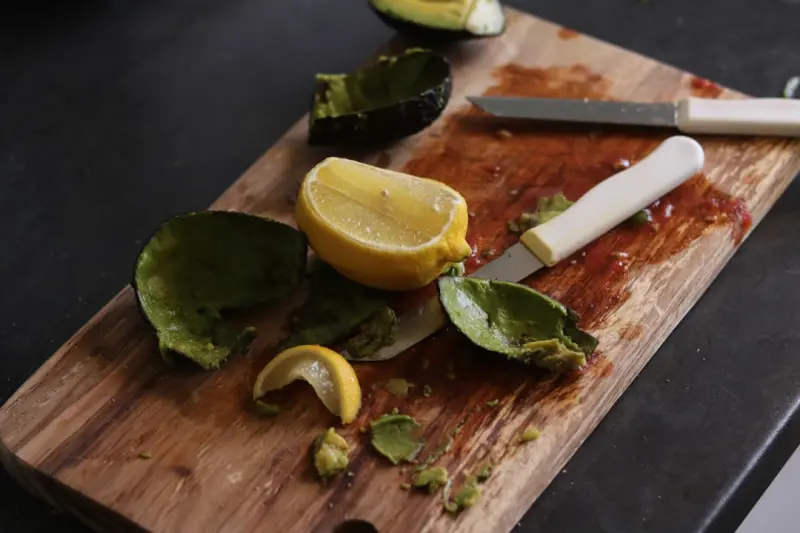
When the conversation around sustainability shifts from “reduce” to “upcycle,” cleaning—a daily ritual we all take for granted—becomes a surprisingly fertile ground for innovation. Imagine reaching for a bottle of commercial spray, only to realize you already have everything you need in your pantry, your compost bin, and even the citrus peels you’d otherwise toss. This isn’t a gimmick; it’s a practical, science‑backed approach to Eco‑Cleaning that turns waste into powerful, non‑toxic solutions. In this post, I’ll walk you through the chemistry behind enzyme‑based cleaners, share step‑by‑step recipes that use household scraps, and explore how integrating these DIY formulas with modern smart appliances can streamline the whole process.
Why Traditional Cleaners Miss the Mark
Conventional cleaning products often rely on petro‑derived surfactants, synthetic fragrances, and harsh solvents. While they deliver quick results, they also leave behind a trail of environmental and health concerns: volatile organic compounds (VOCs) that degrade indoor air quality, phosphates that harm aquatic ecosystems, and plastic packaging that adds to landfill waste. Moreover, the “one‑size‑fits‑all” mindset ignores the nuanced needs of different surfaces—from delicate marble countertops to greasy stovetops.
Eco‑Cleaning aims to replace these catch‑all chemicals with targeted, biodegradable alternatives. The key lies in harnessing naturally occurring compounds that break down grime at the molecular level without collateral damage. Enzymes—biological catalysts found in everything from fruit to soil microbes—excel at this task. They specialize in breaking down proteins, fats, and carbohydrates, the three primary components of household messes.
The Science of Enzymes in Everyday Cleaning
Enzymes are proteins that accelerate chemical reactions. In the context of cleaning, three families dominate:
- Proteases—break down protein‑based stains such as egg, blood, or dairy residues.
- Lipases—target fats and oils, making them ideal for kitchen greases.
- Amylases—degrade starches, useful on carpet spots from pasta or rice.
When you introduce an enzyme to its substrate (the stain), the enzyme’s active site binds to the molecule and cleaves it into smaller, water‑soluble fragments that can be easily rinsed away. Unlike harsh chemicals that strip away surface finishes, enzymes work at ambient temperatures and pH levels, preserving the integrity of delicate materials.
Harvesting Enzymes From Home: The DIY Toolkit
While you can purchase commercial enzyme blends, the most rewarding—and cost‑effective—method is to cultivate them from kitchen waste. Below are three reliable sources you likely already have:
- Citrus Peels—contain natural limonene and citric acid, both of which act as mild surfactants and help preserve enzyme activity. Save orange, lemon, or grapefruit peels in a sealed bag, then dry them in a low‑heat oven (around 90°C) for several hours. Once brittle, grind them into a fine powder using a coffee grinder.
- Fermented Fruit Scraps—a simple anaerobic fermentation of banana skins, apple cores, or pineapple rinds creates a broth rich in proteases and lipases. Place the scraps in a mason jar, add filtered water at a 1:3 ratio, seal loosely, and let sit at room temperature for 5‑7 days. The resulting liquid, when strained, is a potent enzyme concentrate.
- Yogurt or Kefir Whey—the liquid leftover after straining these cultured dairy products is teeming with lactobacillus bacteria that secrete proteases. Keep the whey refrigerated and use it within a week for best activity.
These sources can be mixed and matched depending on the cleaning challenge at hand. For a universal all‑purpose spray, combine equal parts citrus powder, fermented fruit broth, and whey, then dilute with distilled water to a 1:10 ratio. Store the mixture in a dark glass bottle to protect the enzymes from light degradation.
Recipe Spotlight: Grease‑Busting Kitchen Spray
Ingredients:
- 2 tbsp dried citrus peel powder
- ¼ cup fermented fruit broth (from banana skins, apple cores)
- ¼ cup whey (from yogurt)
- 2 cups distilled water
- 10 drops essential oil (optional, for fragrance; peppermint or eucalyptus work well)
Directions:
- In a clean spray bottle, combine the citrus powder and distilled water. Shake vigorously to disperse the powder.
- Add the fermented broth and whey, then seal and shake again until a uniform milky solution forms.
- If desired, add essential oil for a pleasant scent and extra antimicrobial properties.
- Label the bottle with the production date. Use within 30 days for optimal enzyme activity.
Apply the spray to stovetops, oven interiors, and greasy countertops. Let it sit for 5‑10 minutes to allow the lipases to break down oil molecules, then wipe clean with a microfiber cloth. The result is a streak‑free surface without the lingering chemical odor of commercial degreasers.
Integrating DIY Cleaners With Smart Appliances
Modern homes are increasingly equipped with edge AI-enabled appliances that can automate routine tasks. Imagine a dishwasher that not only monitors water usage but also detects the presence of enzyme‑based detergents and adjusts its cycle accordingly. While most manufacturers haven’t built explicit support for home‑made solutions yet, you can create a feedback loop using existing smart features:
- Smart Dispensers—Install a Wi‑Fi‑enabled liquid dispenser in your pantry. Program it to release a measured amount of your DIY cleaner into a spray bottle each morning, ensuring consistent concentration.
- Connected Sensors—Place a moisture sensor on the floor of your laundry room. When humidity spikes after a wash, the system can trigger a reminder to spray the enzyme cleaner on the machine’s gasket, preventing mold buildup.
- Voice‑Activated Routines—Use a voice assistant to start a “cleaning prep” routine: “Hey Alexa, start the eco‑cleaning sequence.” Alexa can announce the steps, set timers, and even order replenishment supplies (like more citrus peels) through integrated shopping lists.
By bridging the gap between low‑tech chemistry and high‑tech automation, you not only reduce chemical footprints but also free up mental bandwidth for more creative pursuits.
Scaling Up: From Apartment to Office
Eco‑Cleaning isn’t limited to single households. Small businesses, co‑working spaces, and even large corporate campuses can reap benefits from a centralized enzyme production system. Here’s a simple blueprint for scaling:
- Collective Fermentation—Designate a kitchen corner as a “Fermentation Hub.” Install stainless‑steel bins for fruit scraps, each equipped with a lid and a simple airlock valve to maintain anaerobic conditions.
- Batch Processing—Every week, combine the fermented broth from each bin, filter it through a fine mesh, and store the concentrate in food‑grade drums.
- Distribution Network—Use a network of small, refillable spray bottles placed throughout the office. Assign a “cleaning champion” to monitor usage and replenish as needed.
- Data‑Driven Optimization—Leverage a spreadsheet or a low‑cost IoT platform to track volume usage, identify high‑traffic cleaning zones, and adjust formulations (e.g., adding more citrus for high‑odor areas).
This model not only cuts procurement costs for commercial cleaning supplies but also reinforces a culture of sustainability among employees.
Addressing Common Concerns
Do DIY enzyme cleaners smell bad? The natural fermentation process can produce a mild, yeasty odor, but this dissipates after dilution. Adding a few drops of essential oil can mask any residual scent.
Are they safe for all surfaces? Enzyme cleaners are generally safe for most surfaces, but avoid using them on unsealed stone (e.g., marble) where acidic components could etch the surface. Always conduct a spot test in an inconspicuous area.
What about shelf life? Enzymes degrade over time, especially when exposed to heat and light. Store your mixtures in opaque containers in a cool, dark place, and aim to use them within one month for peak efficacy.
The Bigger Picture: Reducing Plastic and Carbon Footprint
Every ounce of commercial cleaner you replace translates into less plastic waste and fewer emissions from manufacturing and transportation. According to a recent study, the average household uses roughly 30 liters of cleaning product per year, each housed in a plastic bottle weighing about 30 grams. By substituting 70 % of that volume with DIY solutions, a family of four can keep 630 grams of plastic out of landfills annually.
Moreover, the carbon intensity of producing synthetic surfactants is significantly higher than that of growing citrus trees or fermenting fruit scraps. When you close the loop—using organic waste to create cleaning agents—you essentially turn a carbon‑negative activity (composting) into a functional product.
Getting Started: A 7‑Day Challenge
To make the transition seamless, try this week‑long plan:
- Day 1: Gather all citrus peels from the past week and dry them.
- Day 2: Set up a fermentation jar with fruit scraps and water.
- Day 3: Strain the fermented broth and combine it with whey and the dried citrus powder.
- Day 4: Test the all‑purpose spray on a small kitchen surface.
- Day 5: Integrate a smart dispenser to automate daily dosing.
- Day 6: Expand usage to bathroom tiles and shower doors.
- Day 7: Evaluate performance, note any adjustments, and share results with your community.
Document your observations—time saved, scent preference, cost breakdown—and you’ll have concrete data to justify a longer‑term shift.
Conclusion: A Cleaner Home, A Cleaner Planet
Eco‑Cleaning isn’t a trend; it’s a logical extension of the circular economy into the most routine part of our lives. By repurposing kitchen waste, leveraging enzyme chemistry, and pairing the process with smart‑home technology, you can dramatically reduce chemical exposure, lower your carbon footprint, and even save money. The tools are already in your pantry; the next step is simply to experiment, iterate, and share the results. Your home can become a living laboratory—one spray at a time.

David Moore is a freelance writer specializing in two dynamic and ever-evolving fields: gambling and the tech industry. With a keen eye for detail and a knack for unraveling complex topics, David delivers insightful and engaging content that keeps readers informed and entertained.
Related Posts
From Kitchen Scraps to Sparkling Surfaces: Turning Food Waste into Powerful Cleaners
Learn to turn everyday kitchen waste into potent, eco‑friendly cleaning solutions, from citrus all... Read More

Eco‑Cleaning Hacks for Small Spaces: Upcycle, DIY, and Thrive
Learn how to turn kitchen scraps, reclaimed containers, and simple DIY recipes into powerful, eco‑... Read More
The Invisible Clean: How Circular Chemistry is Revolutionizing Eco‑Cleaning
Explore the concept of Circular Cleaning—refillable systems, transparent ingredients, and closedâ€... Read More
Top Posts
Why Controlled Chaos Is the Secret Sauce for Modern Parenting
A fresh look at parenting reveals that allowing messy, unstructured play—while maintaining safety—helps children develop essential life skills. Learn practi...Read More

Beyond Compliance: Building a Human‑First Safety Culture for Remote SaaS Teams
A practical guide to shifting safety from a checklist to a human‑first culture, covering physical, psychological, and digital safety, with actionable steps an...Read More

Beyond the Post: Building Authentic Communities Through Blogging
Learn to transform your blog from a one‑way broadcast into a dynamic conversation hub, fostering authentic community growth through thoughtful structure, user...Read More

Turning Real‑Time Social Listening into Predictive Content Engines
Learn to convert live social listening data into predictive content, leveraging micro‑communities, AI audio, and purpose‑driven hooks for a dynamic, futureâ...Read More
0 Comments
Post Comment
You will need to Login or Register to comment on this post!