
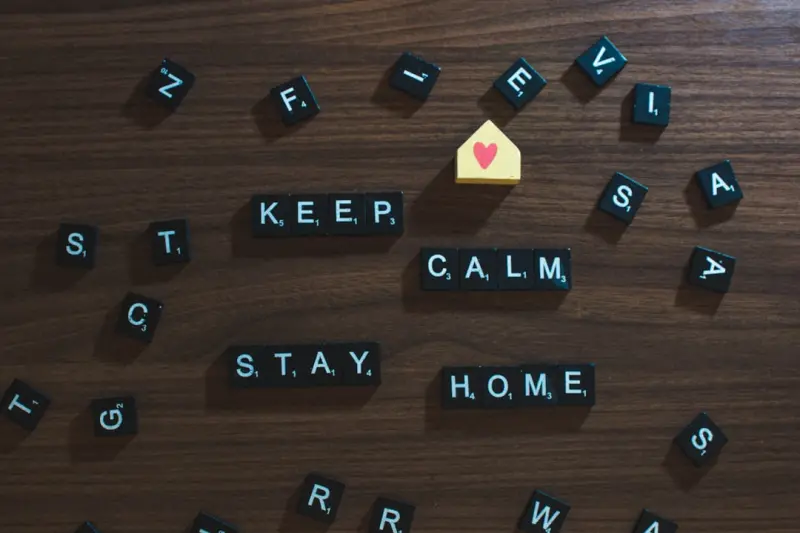
Why a Calm Home Matters More Than You Think
Most of us treat our homes like a parking lot for the day’s chaos: shoes everywhere, papers piled high, and that lingering feeling that something is “just off.” It’s easy to dismiss the mental toll of a messy environment because it’s “just a house.” But research shows that visual clutter overloads the brain’s working memory, making it harder to focus, decide, and even relax. When you walk through a space that feels orderly, you’re not just looking at a tidy room—you’re stepping into a subtle, yet powerful, mental reset button. That reset can improve everything from your morning coffee ritual to the quality of conversations you have with family members.
Step‑One: Adopt the “One‑Touch” Rule
The one‑touch rule is simple: when you pick something up, decide its fate right then—put it back, file it, or toss it. This prevents items from making a second unwanted appearance on a countertop or a coffee table. Here’s how to embed it into everyday life:
- Mail & Packages: Create a three‑drawer system: Inbox for bills and actionable items, Reference for documents you’ll keep, and Recycle for junk. Every time a parcel lands on the porch, it goes directly into its drawer.
- Clothes: Adopt a “one‑out, one‑in” wardrobe philosophy. When you add a new shirt, immediately remove an old one. It keeps closets from ballooning and forces you to keep only what you truly love.
- Kitchen Counters: Designate a “drop zone” for keys, wallets, and phones. Anything else—mail, receipts, random gadgets—gets a home within five seconds.
Implementing this rule feels like a minor tweak, but the cumulative effect is massive. Over weeks, you’ll notice a dramatic reduction in “lost” items and a smoother flow through each room.
Step‑Two: Micro‑Zones for Micro‑Breaks
Ever feel the urge to stare out the window for a few seconds during a task? That impulse is your brain asking for a brief reset. Instead of ignoring it, create micro‑zones—tiny, purpose‑built corners that invite a five‑minute pause.
- The “Sip & Stretch” Nook: A small corner with a sturdy stool, a water bottle, and a stretch band. Use it for a quick hydration break and a neck roll.
- The “Read‑a‑Verse” Shelf: A low bookshelf holding a stack of short poems, quotes, or even a single‑page article. Pull one out and let your mind wander for a moment.
- The “Green Breath” Spot: Place a small potted plant on a windowsill. When you need a mental breather, tend to the foliage—water, rotate, or simply admire its growth.
These micro‑zones are more than decorative; they are intentional triggers for microbreak mastery. Studies reveal that short, purposeful pauses can boost focus by up to 30% and reduce stress hormones. By carving out dedicated spaces, you signal to yourself that taking a break is not only allowed—it’s encouraged.
Step‑Three: The Power of “Invisible” Storage
When you look at a room, the first thing you notice is often what’s visible. Hidden storage, on the other hand, works silently in the background, keeping items out of sight but within easy reach. Here are three low‑budget ideas:
- Under‑Bed Bins: Use clear, low‑profile containers with labels. They’re perfect for seasonal clothing, extra bedding, or even bulk pantry items.
- Floating Shelves with Baskets: Install shallow floating shelves and pair them with woven baskets. The baskets hide clutter while the shelves add visual interest.
- Furniture with Built‑In Compartments: Opt for ottomans or coffee tables that open to reveal storage space. This doubles as seating and a discreet stash for magazines or board games.
The key is to keep the storage accessible—you shouldn’t have to climb a ladder to retrieve a winter scarf. By keeping the most-used items at eye level, you reduce friction and keep the visual flow of the room uninterrupted.
Step‑Four: Light, Color, and Mood
Lighting isn’t just about visibility; it shapes mood. Natural light is the gold standard—open curtains, use light‑filtering blinds, and keep windows free of heavy drapes. When natural light isn’t an option, choose layered lighting:
- Ambient Light: A soft ceiling fixture or LED panel that provides overall illumination.
- Task Light: Adjustable desk lamps for reading, cooking, or any focused activity.
- Accent Light: Small LED strips behind a TV or under shelves to add depth.
Color plays a similar role. Soft, muted tones like sage green, warm taupe, or pale blue promote calm, while bold accents (think a single mustard throw pillow) add personality without overwhelming the senses. If you’re feeling adventurous, try a “color‑pop wall” behind a bookshelf—this draws the eye and creates a focal point without cluttering the space.
Step‑Five: Digital Declutter for a Physical Calm
Our homes now host a range of digital devices—smart speakers, tablets, charging stations. A digital mess can echo a physical one. Follow these guidelines to keep the tech side tidy:
- Charge Station Hub: Designate a single spot on a side table for all charging cables. Use a multi‑port USB hub and a cable organizer to keep cords from tangling.
- Remote Control Consolidation: Use a universal remote or a smart‑home app to replace a handful of separate devices.
- Screen‑Free Zones: Declare the dining table or bedroom a “no‑screen” area. This reduces visual clutter and encourages face‑to‑face interaction.
When the digital environment is streamlined, the mental load drops, making it easier to enjoy the physical calm you’ve cultivated.
Step‑Six: Routine Maintenance—The 15‑Minute Night Sweep
Even the most organized homes can slip into chaos after a busy day. The solution is a short, consistent ritual:
- Set a Timer: 15 minutes is enough to make a noticeable difference without feeling like a chore.
- Quick Sweep: Gather stray items from the living room, kitchen counters, and entryway. Return each item to its designated home.
- Surface Reset: Wipe down high‑traffic surfaces—kitchen island, coffee table, bathroom sink.
- Mindful Moment: Take a breath, look around, and appreciate the order you just created. This reinforces the habit.
Think of this as a nightly “reset button.” Over weeks, you’ll notice less stress when you walk through the door, because the home greets you with order rather than a pile of unfinished tasks.
Step‑Seven: Leverage Community Wisdom
Home‑improvement isn’t a solo sport. Tap into online forums, neighborhood groups, or even your own family’s generational hacks. For instance, many people find value in sharing bulk‑buying resources or swapping seasonal décor. By collaborating, you can harness community data in a non‑techy, social way—think a shared spreadsheet of “who has an extra ladder” or “who’s lending a leaf blower.”
When you open the door to communal ideas, you often discover low‑cost, high‑impact solutions you’d never have considered on your own.
Step‑Eight: A Tiny Investment That Pays Big: A Smart Home Hub
If you’re comfortable with a dash of technology, a simple smart hub can automate mundane tasks that otherwise add to mental clutter. For example, program lights to turn off at a set time, set reminders for trash collection, or use voice commands to add items to a shopping list. This isn’t about turning your house into a sci‑fi set; it’s about offloading trivial decisions so you can focus on the things that truly matter.
Step‑Nine: Celebrate Small Wins
Progress isn’t always dramatic. A single drawer cleared, a single shelf organized, or a single evening spent “no‑screen” is worth celebrating. Keep a “wins” journal on your fridge—just a line each day: “Put away all mail,” “Added a plant to the entryway,” etc. This positive reinforcement cements the habit loop: cue → action → reward.
Putting It All Together: A Day in a Calm Home
Imagine waking up to a bedroom where the nightstand holds only a lamp, a book, and a glass of water. Your entryway greets you with a sleek shoe rack and a small tray for keys. As you move through the kitchen, the countertops are clear except for a fruit bowl. Mid‑morning, you drift to your “Sip & Stretch” nook, take a five‑minute stretch, and feel refreshed. By lunchtime, you’ve already tackled the “15‑minute night sweep” in the morning, so the house remains orderly. Evening rolls around, and you unwind in the “Read‑a‑Verse” shelf, pulling a short poem that ends your day with calm.
This isn’t a fantasy; it’s the result of layering the small, actionable steps outlined above. Each habit reinforces the next, creating a virtuous cycle of clarity, focus, and peace.
Final Thought: Your Home Is Your Canvas, Not Your Burden
When you shift your mindset from “I have to manage my home” to “I get to design my home,” the process becomes empowering rather than exhausting. The strategies above are tools—not rules. Pick the ones that resonate, adapt them to your lifestyle, and watch your living space transform from a chaotic backdrop into a supportive, rejuvenating environment.
Ready to start? Begin with the one‑touch rule tomorrow morning. Then, as you feel momentum, add a micro‑zone or two. Before long, you’ll have built a home that doesn’t just shelter you—it actively nurtures your best self.

Paul Flynn is a versatile freelance writer equipped with a diverse skillset and a portfolio that reflects his wide-ranging interests and expertise. From crafting compelling website copy and engaging blog posts to delivering in-depth articles and meticulously researched reports, Flynn demonstrates a remarkable ability to adapt his writing style to suit various audiences and purposes.
Related Posts
Creating a Sensory‑Rich Home Sanctuary: Low‑Tech Tips for Everyday Calm
Mei Chen shares practical, low‑tech tips for turning any space into a soothing sanctuary, from lig... Read More
Designing a Home Sanctuary Without Adding More Stuff
A step‑by‑step guide to declutter, use natural light, create purposeful zones, and integrate sma... Read More
Quiet Home Hacks for Remote Work Success
Learn how to silence distractions with DIY acoustic panels, smart tech, and design strategies that t... Read More
Top Posts

Cultivating a Narrative Garden: How Storytelling Transforms Your Green Space
Explore the concept of narrative gardening, where plants become characters and seasonal changes act as plot twists, turning any garden into an immersive, everâ€...Read More

Ethical Data as a Competitive Business Lever
A deep dive into why handling data responsibly isn’t just a moral imperative but a powerful growth strategy, complete with practical steps, real‑world case ...Read More

Human‑Centric Security: Turning People Into Your Strongest Defense
Security succeeds when it’s built on people, not just tech. This post reveals a human‑centric approach—integrating empathy, behavioral incentives, and obs...Read More

Guarding Your Digital Life: Practical Strategies for Everyday Online Safety
Learn how to build a robust online safety routine, from password mastery to safe social media habits, and protect your digital life with everyday, actionable st...Read More
0 Comments
Post Comment
You will need to Login or Register to comment on this post!