
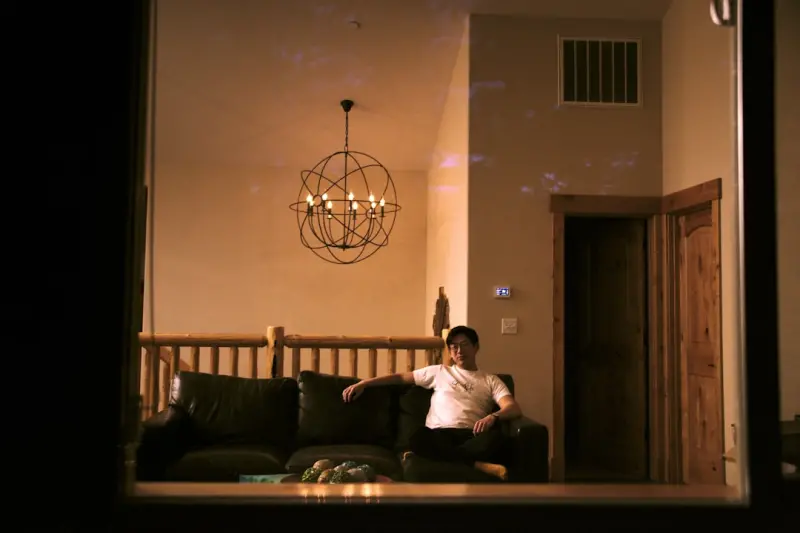
Welcome to My Little Sanctuary
When I first moved into my modest two‑bedroom apartment, I felt a strange mix of excitement and overwhelm. The space was functional, but it lacked the subtle comforts that make a house feel like a true home. Over the past few months I’ve been experimenting with simple, low‑tech tweaks that transform ordinary rooms into sensory‑rich sanctuaries. In this post I’ll walk you through the steps I took, the mistakes I learned from, and the small habits that keep my home feeling fresh, calm, and energizing.
1. Let the Light In (and Out)
Natural light is the most powerful mood‑setter in any home. It not only lifts spirits but also regulates our circadian rhythm, which impacts sleep quality and productivity. Here’s what worked for me:
- Maximize window exposure. I cleared the space around each window—no bulky furniture or heavy drapes. Instead, I hung light, sheer curtains that diffuse sunlight while preserving privacy.
- Mirror magic. A well‑placed mirror reflects light deeper into the room. I installed a full‑height mirror opposite the living‑room window, and the space instantly feels larger and brighter.
- Strategic task lighting. For evenings, I use warm‑toned LED lamps with dimmers. Adjustable color temperature helps me transition from focused work (cool white) to winding down (soft amber).
Tip: If you live in a low‑light apartment, consider a smart lighting system that mimics sunrise and sunset. Even a basic timer can make a noticeable difference without breaking the bank.
2. Curate Your Soundscape
Sound is often the unnoticed culprit behind stress. The hum of traffic, a noisy neighbor, or a blaring TV can erode peace in minutes. I tackled this in three layers:
- White noise or nature sounds. A compact white‑noise machine or a playlist of gentle rain creates a constant auditory backdrop that masks sudden interruptions.
- Soft furnishings. Thick curtains, plush rugs, and upholstered furniture absorb echoes. Adding a few wall hangings made my apartment feel muffled in the best way.
- Dedicated music zones. I set up a Bluetooth speaker in the reading nook and programmed it to play low‑volume instrumental playlists during work hours. Music becomes a cue for focus.
3. Touch Matters: Texture & Material Choices
We often underestimate the power of touch. A smooth ceramic mug, a soft cotton throw, or a textured stone countertop can instantly ground us.
- Layered textiles. I introduced a mix of linen, wool, and cotton across pillows, blankets, and cushions. Each material offers a different tactile sensation that keeps the environment dynamic.
- Natural surfaces. Wooden coffee tables and bamboo blinds bring an organic feel that contrasts nicely with metal fixtures, creating a balanced visual and tactile palette.
- DIY sensory jars. Small glass jars filled with sand, beads, or dried lavender provide a quick sensory reset. They’re especially handy for moments when you need to re‑center.
4. Bring the Outdoors Inside
Biophilic design—the practice of connecting interior spaces with nature—has measurable benefits for mood and air quality. Here are low‑maintenance options that fit any budget:
- Snake plant or ZZ plant. Both tolerate low light and require watering only once a month.
- Herb windowsill garden. Growing basil, mint, or rosemary not only adds greenery but also provides fresh ingredients for cooking.
- Air‑purifying ferns. Boston ferns excel at removing pollutants and create a lush, soft aesthetic.
Tip: Rotate plants every few weeks to give each one a chance at optimal sunlight, and use a simple pebble tray to improve humidity during dry winter months.
5. Digital Minimalism for a Clear Mind
Our homes increasingly double as offices, classrooms, and entertainment hubs. The digital clutter that accumulates can be just as stressful as physical mess. I adopted a few strategies that blend seamlessly with my home routine:
- Device zoning. I keep my laptop, phone, and tablet confined to a dedicated desk space. When I’m not working, the devices are stored out of sight in a stylish basket.
- Streamlined apps. I audit my apps quarterly, removing anything that isn’t essential. This reduces notification noise and frees up storage.
- Smart file organization. Using Google Workspace hacks, I set up shared folders with clear naming conventions, so documents are always a click away without a frantic search.
One surprising win was improving my laptop’s longevity. By keeping the device cool and organized, I noticed better performance—a subtle but tangible benefit of laptop performance tips I’d read elsewhere.
6. Storage Solutions That Don’t Feel Like Storage
Clutter is the enemy of calm. Instead of buying a massive wardrobe, I embraced multipurpose furniture and hidden storage:
- Ottoman with interior. My living‑room ottoman doubles as a hidden chest for blankets and board games.
- Floating shelves. Installing slim shelves above the desk freed floor space while giving me a place for books and decorative items.
- Vertical pantry. Using stackable containers on a narrow wall unit turned a cramped kitchen corner into an organized snack hub.
7. Low‑Tech Energy & Comfort Hacks
Keeping the home comfortable without relying on high‑tech gadgets is both eco‑friendly and budget‑smart. Here’s what I tried:
- Draft stoppers. Simple fabric tubes placed at the base of doors block cold air in winter and keep bugs out in summer.
- Thermal curtains. Heavy curtains at night trap heat, reducing heating bills; during the day they’re pulled aside to let sunlight in.
- Portable radiators. A compact oil‑filled radiator provides targeted warmth without heating the entire apartment.
8. Design Quiet Zones for Mindful Moments
Even in a bustling city, carving out a small, dedicated space for reflection can dramatically improve mental wellbeing.
- Reading corner. I placed a comfortable armchair beside the window, added a floor lamp, and kept a small basket of my favorite books within arm’s reach.
- Mini meditation altar. A low table with a scented candle, a small statue, and a crystal creates a visual focal point for a five‑minute breathing exercise.
- Yoga mat roll‑out. When the day feels overwhelming, a quick mat roll‑out and a few stretches reset my posture and mindset.
9. The Ripple Effect: How Small Changes Influence Daily Life
After implementing these tweaks, I noticed a cascade of benefits:
- Better sleep. Natural light exposure during the day and dimmer lighting in the evening synced my internal clock.
- Higher productivity. A clear soundscape and organized digital workspace reduced distractions, letting me finish tasks faster.
- Increased hospitality. Friends comment on how “cozy” and “inviting” my place feels, prompting more meaningful gatherings.
What’s most rewarding is that each adjustment required minimal expense and effort. The key is consistency—once a habit forms, the sanctuary maintains itself.
10. Your Turn: A Simple 7‑Day Reset
Ready to start your own transformation? Follow this one‑week plan:
- Day 1 – Light Audit. Remove heavy drapes, add a mirror, and install a dimmer on a lamp.
- Day 2 – Sound Check. Place a white‑noise device and rearrange soft furnishings to absorb echo.
- Day 3 – Texture Upgrade. Swap out one throw pillow for a different material and add a rug.
- Day 4 – Green Touch. Introduce a low‑maintenance plant and set a watering reminder.
- Day 5 – Digital Declutter. Archive old files, delete unused apps, and organize your workspace with Google Workspace hacks.
- Day 6 – Storage Refresh. Identify three clutter hotspots and apply a hidden‑storage solution.
- Day 7 – Create a Quiet Zone. Set up a reading or meditation corner with a chair, light, and a small decorative element.
By the end of the week you’ll have a noticeably calmer environment, and the habit of making incremental improvements will stick.
Conclusion: The Home as a Living, Breathing Partner
Our homes are more than roofs and walls; they are partners in our daily rhythm. By paying attention to light, sound, touch, and digital flow, you can cultivate a space that supports health, focus, and joy. Remember, the most powerful changes are often the simplest—pull back a curtain, add a plant, or rearrange a chair. Your sanctuary is waiting, and it’s only a handful of intentional tweaks away.

Mei Chen is a dynamic professional who brings a unique blend of skills to Blogging Fusion. As a key contributor to the Blogging Fusion platform, she leverages her writing expertise to create engaging content that resonates with our audience.
Related Posts
Sustainable Home Makeover: Easy and Affordable Ways to Green Your Space
Discover simple and cost-effective ways to make your home more eco-friendly. Learn how to reduce you... Read More
Quiet Home Hacks for Remote Work Success
Learn how to silence distractions with DIY acoustic panels, smart tech, and design strategies that t... Read More
Embracing Sustainable Living: Transforming Your Home into an Eco-Friendly Haven
Discover simple and cost-effective ways to make your home more eco-friendly. Learn how to adopt sust... Read More
Top Posts

Game‑Changing Wearables: How AI Is Turning Weekend Warriors into Pro Athletes
A deep dive into the rise of AI‑driven wearables, showing how real‑time data, AI‑generated performance personas, and smart platforms empower casual athlet...Read More

Tools of the Future: Sustainable Gear Every Maker Needs
Explore the newest sustainable tools transforming makerspaces, with practical tips, eco‑friendly gear picks, and a checklist to green‑up your toolbox....Read More

Turning Your Blog Into a Live Learning Lab for Teams
A blog can be more than a marketing channel; by treating each post as an experiment and involving the community, it becomes a live learning lab that drives prod...Read More

Game Mods: Redefining Play and Community
Discover how player‑crafted mods breathe new life into games, create economic opportunities, and pave the way for future AI‑driven customization, all while ...Read More
0 Comments
Post Comment
You will need to Login or Register to comment on this post!