
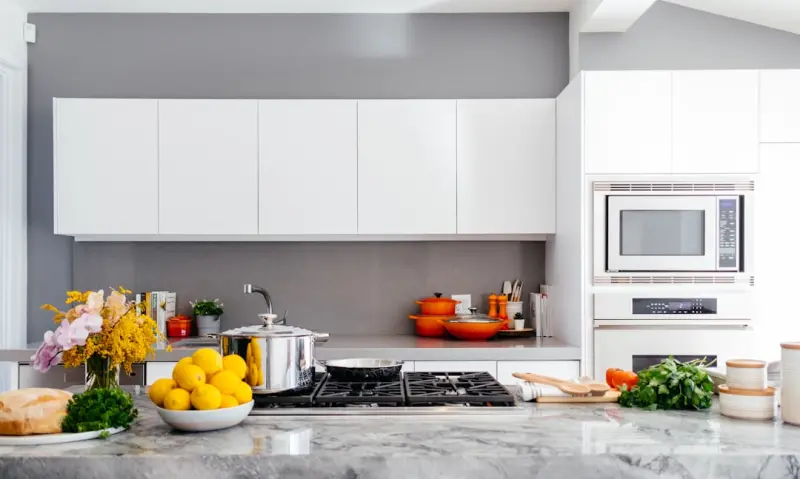
Smart Kitchen, Smarter Choices: Redefining Appliances for the Modern Home
When I first walked into a showroom that looked more like a sci‑fi set than a kitchen, I felt the same mix of awe and skepticism that many of us experience with any new tech wave. Smart appliances promise to shave minutes off your morning routine, cut down on energy bills, and even suggest recipes based on what’s lurking in your fridge. Yet, as a longtime skeptic of every “connected” thing that promises to make life easier, I’m compelled to ask: what truly matters in this brave new world of appliances?
In this deep dive, I’ll unpack three core themes that I believe will shape the next generation of home appliances: data‑driven design, human‑centric ergonomics, and the emerging circular economy mindset. By the end, you’ll see why the future of your kitchen isn’t just about gadgets that talk to each other, but about devices that genuinely respect your time, your wallet, and the planet.
1. Data‑Driven Design: Beyond the “Internet of Things” Buzzword
Most marketers love to throw the phrase “Internet of Things” (IoT) around like confetti at a parade. While it’s a useful umbrella term, it obscures the real value that data can bring to everyday appliances. Think of your refrigerator as a quiet analyst that tracks consumption patterns, learns your grocery cadence, and nudges you when you’re about to waste food.
- Predictive restocking: Sensors detect when milk is nearing its expiration date and automatically add it to your preferred grocery list.
- Energy optimization: A dishwasher learns the typical load size and adjusts water temperature and cycle length accordingly, shaving off both energy and water usage.
- Health‑focused insights: Smart ovens can log the nutritional profile of meals you cook and feed that data into a health app you already use.
But data is a double‑edged sword. Thermal design insights from the laptop world teach us that raw sensor data is useless without proper handling, processing, and context. Appliances that simply dump streams of numbers into the cloud without actionable interpretation will become another layer of digital clutter.
So, what makes data truly valuable? Actionability. The appliance must translate raw numbers into simple, understandable actions for the user. A smart fridge that sends you a push notification saying “Your lettuce is wilting—use it for a salad today” is far more helpful than one that merely logs “Temperature: 38°F”.
2. Human‑Centric Ergonomics: Tech Should Serve Humans, Not the Other Way Around
When I tested a voice‑activated coffee maker, I discovered a surprising truth: the most satisfying moments in the kitchen aren’t the ones that feel like a tech demo, but the ones that feel intuitively natural. The best appliances hide complexity behind a familiar tactile interface.
Consider these ergonomic principles that are reshaping appliance design:
- Adaptive controls: Touch panels that adjust brightness based on ambient light, reducing glare during early‑morning coffee rituals.
- Multi‑modal interaction: Voice, touch, and even gesture controls that let you choose the method that feels most comfortable at any given moment.
- Feedback loops: Auditory or haptic cues that confirm an action without needing to stare at a screen—think of a gentle chime when a dishwasher finishes.
Human‑centric design also means respecting the diversity of users. A family with children, seniors, and tech‑savvy adults will interact with the same refrigerator differently. Adjustable shelf heights, easy‑to‑read displays with high contrast, and customizable voice commands ensure that the appliance adapts to the household, not the other way around.
There’s a lesson to be borrowed from the gaming world: gaming for wellness has taught developers that engagement spikes when users feel mastery and control. Appliances that empower users with clear, incremental steps toward mastery—like a step‑by‑step cooking mode on a smart oven—drive higher satisfaction and long‑term adoption.
3. The Circular Economy: Designing Appliances for Longevity and Re‑use
One of the most glaring environmental critiques of modern appliances is their short lifespan. A sleek blender that “fails after two years” contributes to e‑waste—a problem that is rapidly outpacing our recycling capacities. The answer lies in a circular economy approach where products are built to be repaired, upgraded, and eventually repurposed.
Key strategies include:
- Modular components: Separate the motor, control board, and housing so that a faulty part can be swapped without discarding the entire unit.
- Software‑first updates: Extend product life through firmware upgrades that improve efficiency or add features—think of a fridge that learns new food‑tracking algorithms over time.
- Take‑back programs: Manufacturers partner with retailers to collect old appliances, refurbish usable parts, and recycle materials responsibly.
Adopting a circular mindset also changes the consumer’s relationship with the appliance. Instead of viewing a purchase as a one‑off expense, it becomes a long‑term partnership. The kitchen becomes a space where the same trusted oven, refined through software updates and component upgrades, serves you for a decade or more.
4. Real‑World Case Study: The “Connected Cook” Ecosystem
To illustrate how these themes converge, let’s walk through a day in the life of a household that has embraced a fully integrated “Connected Cook” ecosystem.
Morning: The smart coffee maker detects that it’s 6:30 am, the household’s typical wake‑up time, and begins pre‑heating. Simultaneously, the fridge’s interior camera notices a low milk level and sends a subtle notification to the family’s shared chat app, suggesting a latte recipe that uses the remaining espresso beans.
Midday: The dishwasher runs a “green cycle” that the system automatically selects based on the current electricity price and weather forecast (using renewable energy peaks). The user receives a gentle chime when the cycle ends, no need to glance at a screen.
Evening: The oven, having learned the family’s preference for “crispy on the outside, tender on the inside,” adjusts the convection fan speed for a perfect roast. After dinner, the built‑in air‑purifier activates a short cycle to clear any lingering cooking odors, all coordinated without a single manual adjustment.
Behind the scenes, each device logs usage data, which the manufacturer aggregates (with consent) to improve future firmware releases. When a component begins to show wear—say, the oven’s heating element—the system alerts the user and offers a discounted replacement part, extending the appliance’s life while reducing waste.
5. Overcoming Barriers: Privacy, Cost, and Compatibility
It would be naive to claim that the transition to smart, sustainable appliances is seamless. Three major hurdles still stand in the way:
- Privacy concerns: Consumers worry about data being harvested for marketing. Transparent data policies and edge‑processing (where data is analyzed locally) can alleviate fears.
- Upfront cost: Smart appliances typically carry a premium. However, the long‑term savings from energy efficiency, reduced food waste, and fewer replacements can offset the initial outlay.
- Interoperability: The market is fragmented with competing standards (Zigbee, Matter, Wi‑Fi). Embracing open, cross‑brand ecosystems ensures that new devices can plug into existing setups without a costly overhaul.
Manufacturers that address these pain points head‑on will earn the trust needed for widespread adoption. The same way unlocking hidden value in software platforms drives productivity, unlocking hidden value in appliances will drive home efficiency.
6. The Bottom Line: A Kitchen That Listens, Learns, and Lasts
Smart appliances are more than a collection of Wi‑Fi‑enabled gadgets. When designed with data‑driven insights, human‑centric ergonomics, and a circular‑economy ethos, they become silent partners that listen to your habits, learn from your preferences, and last beyond the typical product cycle.
As a lifelong advocate for practical technology, my verdict is simple: don’t chase every shiny new feature. Look for appliances that prove their worth through measurable outcomes—energy savings, reduced waste, and genuine convenience—while offering a path for repair and upgrade. When you align your kitchen with these principles, you’re not just buying a product; you’re investing in a sustainable, resilient lifestyle that pays dividends for years to come.
So the next time you’re tempted by the latest high‑tech blender, pause and ask: Does it give me actionable data? Does it respect my daily rhythm? And will it stick around long enough to make a real difference? If the answer is “yes,” you’ve found a kitchen ally worth welcoming home.

David Moore is a freelance writer specializing in two dynamic and ever-evolving fields: gambling and the tech industry. With a keen eye for detail and a knack for unraveling complex topics, David delivers insightful and engaging content that keeps readers informed and entertained.
Related Posts
Why Renting High-End Appliances Is the Smartest Move for Modern Offices
Exploring the shift from owning to renting premium office appliances, this post reveals financial, o... Read More
The Kitchen’s New Co‑Pilot: AI‑Powered Appliances for Modern Workspaces
Smart fridges, AI coffee stations, and subscription‑based appliances are reshaping workplaces by t... Read More

When Your Fridge Starts Predicting Dinner: The Future of Smart Appliances
Smart appliances are evolving from passive tools into predictive partners that suggest meals, optimi... Read More
Top Posts
Designing a Future‑Proof PC Workspace: From Processor Choice to Sustainable Practices
A deep dive into selecting components, optimizing battery life, and extending your laptop’s lifespan through smart upgrades and eco‑friendly practices....Read More

Celebrating Success at a Distance: How Remote Teams Can Turn Wins into Culture
Celebrating wins in a remote setting requires strategy. This guide shows how to design personalized, data‑backed virtual celebrations that reinforce culture, ...Read More

Edge‑First Networking: Turning Latency Into a Competitive Advantage
Edge‑first networking is reshaping digital experiences by bringing compute and security closer to users, reducing latency, enhancing security, and enabling sc...Read More
Designing Your Own Career Operating System: A Blueprint for Sustainable Growth
A Career Operating System treats professional development like a modular tech stack, allowing you to capture knowledge, automate learning pipelines, and continu...Read More
0 Comments
Post Comment
You will need to Login or Register to comment on this post!