
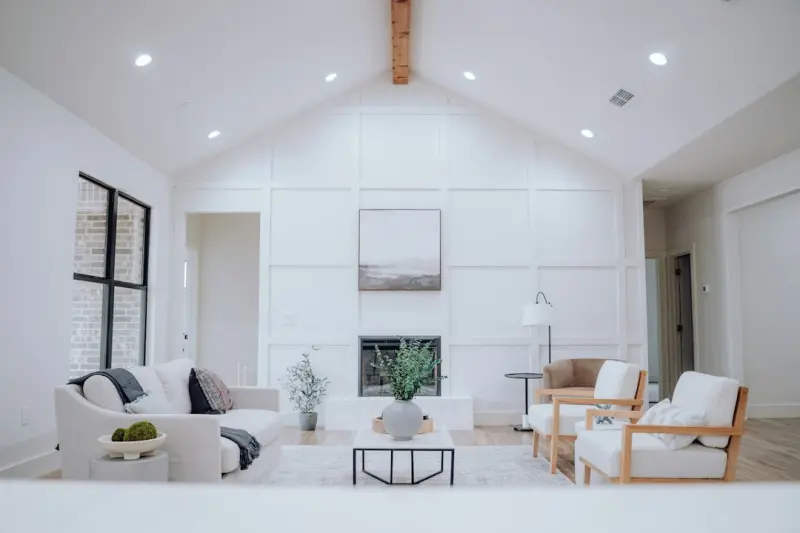
Designing a Home Sanctuary Without Adding More Stuff
When I first moved into my downtown loft, I brought with me a mountain of “must‑have” gadgets, decorative pieces, and an endless list of improvement projects. The space felt cramped, the air was heavy, and I quickly realized that more items didn’t equal more comfort. I needed a new approach—one that focused on what to keep rather than what to add. The result? A calming, functional sanctuary that feels larger, more inviting, and surprisingly low‑maintenance.
1. Start With a “Zero‑Clutter” Mindset (Yes, It’s Borrowed From Security)
Security experts talk about “zero‑trust” models for protecting digital assets. The same principle can be applied to the physical spaces we inhabit: assume nothing is essential until it proves its worth. Take each item in a room and ask yourself: does it serve a purpose, bring joy, or improve my daily flow? If the answer is “no,” it’s time to let it go.
When I applied this filter to my kitchen cabinets, I discovered a half‑dozen unused appliances that had been gathering dust for years. I donated two, recycled a third, and stored the remaining one in a rarely accessed pantry—freeing up precious counter space and making cooking feel like a breeze.
2. Leverage Natural Light to Expand Space
Sunlight is free, abundant, and instantly enlarges any room. If you have heavy curtains, replace them with sheer panels that diffuse light while preserving privacy. For rooms that lack windows, consider a light‑reflecting paint in cool tones such as soft greys or muted blues. Mirrors strategically placed opposite a light source can double the perceived square footage.
One tip that often gets overlooked is the top‑down approach: start with the ceiling. A light, matte finish on the ceiling reflects ambient light upward, creating an airy feel. Pair this with a low‑profile pendant lamp that casts a gentle glow, and you’ll notice an immediate lift in the room’s mood.
3. Create Dedicated Zones for Different Activities
Even the smallest apartments benefit from zoning. Instead of a single “living room,” think in terms of “reading nook,” “work corner,” and “relaxation hub.” Use rugs, furniture placement, or subtle color shifts to define each area without erecting walls.
- Reading nook: A comfortable armchair, a floor lamp with a warm hue, and a small bookshelf. Keep a soft blanket within reach for those chilly evenings.
- Work corner: A compact desk, an ergonomic chair, and a monitor stand that can double as a laptop riser. Keep the surface clear—only essential tools should reside here.
- Relaxation hub: A low coffee table, a few scented candles, and a speaker for ambient soundscapes. This zone is all about unwinding, so keep electronics to a minimum.
By assigning intent to each corner, you train your brain to switch modes effortlessly, reducing decision fatigue and increasing overall well‑being.
4. Introduce Soft Textures for Sensory Comfort
Touch is an underappreciated sense in interior design. Adding plush throws, textured pillows, or a shag‑area rug can instantly make a space feel cozier. Choose natural fibers like linen, wool, or cotton—they’re durable, breathable, and age gracefully.
During a recent weekend, I swapped a synthetic couch cover for a hand‑woven cotton slipcover. The change was subtle, but the tactile difference was noticeable. The couch felt more inviting, and the room’s overall aesthetic shifted from sterile to welcoming.
5. Smart Storage Solutions That Blend In
Clutter often hides in plain sight. Instead of bulky wardrobes, opt for built‑in shelving that uses the vertical plane. Floating shelves above a desk provide a place for books and decor without consuming floor space. Under‑bed storage boxes, especially those with wheels, keep seasonal items accessible yet out of the way.
For entryways, a slim console with hidden drawers can hold keys, mail, and everyday accessories. Adding a simple wall‑mounted hook for coats and bags reduces the need for a bulky coat rack.
6. Green Up Your Space With Low‑Maintenance Plants
Plants do more than decorate; they improve air quality, reduce stress, and add a splash of life to otherwise neutral palettes. If you’re not a green thumb, start with hardy varieties like snake plant, pothos, or ZZ plant. They tolerate low light and irregular watering schedules.
Place a tall fiddle‑leaf fig in a corner where it can become a focal point, and scatter smaller succulents across shelves for a touch of greenery. Remember to rotate pots occasionally so each plant receives balanced light.
7. Curate a Calming Scent Profile
Scent is a powerful trigger for mood. Instead of synthetic air fresheners, choose natural options like essential oil diffusers, soy candles, or simmering potpourri. Lavender, eucalyptus, and citrus blends are excellent for promoting relaxation and mental clarity.
One of my favorite rituals is lighting a lavender‑scented candle while I journal each night. The aroma signals to my brain that it’s time to wind down, making it easier to transition into a restful sleep.
8. Align Your Home Tech With Your Lifestyle
Technology doesn’t have to dominate a home; it can enhance simplicity. A smart thermostat learns your temperature preferences and adjusts automatically, saving energy and reducing the need for constant manual tweaks.
Similarly, a voice‑activated assistant can serve as a hands‑free hub for playing music, setting timers, or checking the weather—without cluttering countertops with multiple remote controls. If you’re curious about how a portable AI hub can streamline daily tasks, discover why your next laptop can double as a portable AI hub.
9. Establish a “Digital Sunset” Routine
Even the most tech‑savvy homes benefit from a designated offline period. Choose a time each evening—perhaps an hour before bed—to dim lights, turn off screens, and engage in analog activities like reading a paperback, sketching, or simply sitting in silence.
This practice not only protects your eyes but also signals to your nervous system that it’s time to relax, leading to deeper, more restorative sleep.
10. Personalize With Meaningful Objects
When curating decor, prioritize items that tell a story. A travel souvenir, a framed photo of a loved one, or a handmade bowl can infuse personality without overwhelming the space. The key is balance: one or two statement pieces per room keep the environment feeling curated rather than crowded.
During a recent trip, I picked up a small, hand‑carved wooden box. Instead of using it as a storage container, I display it on my coffee table as a conversation starter. It reminds me of the journey and adds a unique texture to the room.
11. Seasonal Refreshes Without a Full Overhaul
Changing the entire color scheme each season can be costly and time‑consuming. Instead, rotate accessories—think cushion covers, throws, and table runners. Switch a deep navy cushion for a warm mustard one in the fall, then bring back a cool teal for spring. This approach keeps the space feeling fresh without a major renovation.
12. Maintain a Simple Cleaning Rhythm
A tidy home feels more peaceful. Create a cleaning schedule that breaks tasks into bite‑size daily actions: wipe down kitchen counters each night, sweep high‑traffic areas every other day, and deep‑clean the bathroom once a week. Consistency beats occasional marathon cleaning sessions.
If you’re interested in how a security‑first mindset can improve home safety, explore how a zero‑trust mindset can also apply to home security. The same principles—regular checks, layered defenses, and constant vigilance—translate beautifully to physical safety.
13. The Power of Minimalist Lighting
Layered lighting—ambient, task, and accent—creates depth. Choose fixtures with clean lines to maintain a minimalist aesthetic. Adjustable LED strips under cabinets provide functional illumination for cooking, while a sleek floor lamp can double as a reading light.
14. Invite Community Into Your Space
Homes are not isolated islands; they thrive when they serve as gathering points for friends, family, or neighbors. Design a flexible dining area that can expand for dinner parties, or set up a small corner with board games and a coffee station for casual get‑togethers.
Hosting doesn’t have to be elaborate. A well‑placed platter of seasonal fruits, a curated playlist, and comfortable seating can turn an ordinary evening into a memorable experience.
15. Reflect on Progress and Adjust
Creating a sanctuary is an ongoing journey. Periodically step back, assess how each zone feels, and make adjustments as your lifestyle evolves. Perhaps your work corner needs a standing desk now, or the reading nook could benefit from a brighter lamp. The goal is to keep the space aligned with your current needs.
By treating your home as a dynamic, adaptable environment, you ensure it remains a source of comfort and inspiration for years to come.

Amanda is a passionate writer exploring a kaleidoscope of topics from lifestyle to travel and everything in between.
Related Posts
Transform Your Home into a Productivity Sanctuary Without Breaking the Bank
Learn how to convert any space in your home into a productivity sanctuary with practical lighting, a... Read More
The Invisible Upgrade: Mastering Home Scent and Airflow for Wellness
Learn to map micro‑climate zones, layer fragrances, and use plants and tech to create a home scent... Read More

Turn Your Home Into a Low‑Stress Sanctuary With Simple Hacks
Seth Samual shares ten low‑tech, high‑impact home tips—from intentional entryways and layered ... Read More
Top Posts

Vertical Gardens: Turning Blank Walls into Living Masterpieces
A living wall transforms any space into a vibrant, health‑boosting focal point. Learn practical design tips, smart irrigation hacks, and budget‑friendly DIY...Read More

The Quiet Revolution of Smart Industrial Materials
An in‑depth look at how sensor‑embedded, eco‑friendly industrial products are turning passive equipment into proactive assets, delivering predictive maint...Read More

The Secret Architecture of SaaS Brands: Building Emotion into Every Interaction
Discover a fresh approach to SaaS branding that goes beyond visuals, focusing on purpose, daily rituals, and product tone to build lasting emotional connections...Read More

The Career Resilience Playbook: Skill Stacking for a Rapidly Changing Workplace
This post outlines a three‑tier framework for building a skill stack—core foundations, strategic amplifiers, and adaptive layers—plus actionable habits an...Read More
0 Comments
Post Comment
You will need to Login or Register to comment on this post!