
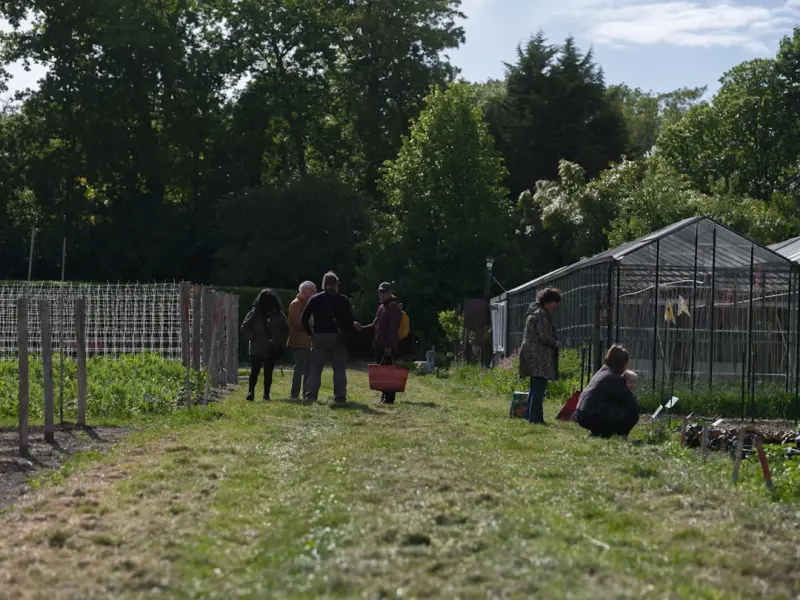
Why Gardens Need a Narrative, Not Just a Layout
When I first stepped onto a plot of neglected soil, I didn’t see a blank canvas for rows of vegetables or a sterile backdrop for a minimalist design. I saw a stage waiting for characters, dialogue, and a plot that could unfold across the seasons. A garden, at its heart, is a living story—a sequence of chapters written in leaves, blossoms, and the subtle shift of light. This perspective has transformed the way I plan, plant, and tend to my outdoor spaces, turning ordinary beds into immersive experiences that engage the senses and the imagination.
Crafting the Plot: Choosing a Theme That Resonates
Every good story begins with a theme, a guiding idea that gives meaning to the events that follow. In gardening, the theme can be as broad as “the cycle of renewal” or as specific as “the folklore of local myths.” The key is to pick a narrative thread that speaks to you and, if you’re sharing the space, to your visitors.
Here are three approaches that have worked for me:
- Seasonal Drama: Design each garden bed to showcase a distinct act—spring emergence, summer abundance, autumn decline, and winter rest. Plant species that peak at each stage, so the garden feels like a play with changing scenery.
- Historical Echoes: Research the horticultural traditions of the region or your ancestry. Incorporate heirloom varieties, vintage garden ornaments, or pathways that mimic historic layouts.
- Sensory Storytelling: Focus on textures, scents, and colors that evolve throughout the day. Pair fragrant herbs that release aroma at dusk with foliage that shimmers in the evening light.
Once the theme is set, every planting decision becomes a plot point, each maintenance task a rehearsal, and every bloom a line of dialogue delivered to the audience of passerby, pollinators, and your own senses.
Characters in the Garden: Selecting Plants as Protagonists
Just as a novel needs compelling characters, a narrative garden needs plants that have distinct personalities. Think of each species as a character with a backstory, a voice, and an arc.
The Hero: This is the star of your story—perhaps a towering sun‑flower that draws eyes upward, or a fragrant lavender hedge that frames the entire scene. Its presence should be unmistakable and its growth journey visible.
The Supporting Cast: These are the plants that add depth—groundcovers that fill in the gaps, companion herbs that protect the hero from pests, and low‑lying perennials that provide contrast.
The Antagonist: Not all characters are benevolent. Some plants can be invasive or overly aggressive, creating tension that you can harness to illustrate conflict and resolution in your garden narrative.
When you assign roles, you start to see how planting combinations can create “dialogues” between species—like the classic partnership of beans climbing up corn stalks while squash spreads across the ground, a natural Three Sisters conversation.
Setting the Stage: Designing Paths, Views, and Vignettes
A narrative garden isn’t just about what grows; it’s about how the story is experienced. Pathways act as the audience’s aisle, guiding them from one scene to the next. Strategic sightlines reveal climactic moments—a sudden burst of red poppies behind a fern curtain, or a hidden water feature that appears like a plot twist.
Consider these design principles:
- Framing: Use archways, tall grasses, or trellised vines to frame key focal points, much like a director frames a crucial scene.
- Pacing: Alternate open, airy spaces with denser, more intimate corners to control the visitor’s rhythm, mimicking the rise and fall of narrative tension.
- Layering: Plant in vertical strata—groundcovers, mid‑height perennials, and canopy trees—to create depth, allowing viewers to discover new details as they move.
Technology as the Narrator: Integrating Smart Tools Without Distracting From the Story
While the essence of a narrative garden is organic, modern technology can serve as a subtle narrator, providing data that helps you keep the plot on track. For instance, smart moisture sensors can whisper to you when a character is thirsty, ensuring the hero never wilts prematurely. Likewise, adaptive microlearning platforms can deliver bite‑sized gardening tips right when you need them, keeping your knowledge fresh without breaking the immersion of the garden narrative.
Even more advanced, software‑defined networking concepts can be applied to a garden’s irrigation system, allowing you to segment water flow into “channels” that act like plot threads—each receiving the precise amount of attention at the right moment, avoiding the chaos of a one‑size‑fits‑all approach.
The trick is to let technology stay in the background, acting like a stage manager who ensures the lights are perfect without stealing the spotlight.
Dialogue With the Wild: Embracing Pollinators and Wildlife
No garden narrative is complete without the unscripted contributions of wildlife. Bees, butterflies, and birds bring spontaneous dialogue that enriches the story. Planting nectar‑rich flowers along the “main stage” invites pollinators to perform their own improvisations, while bird feeders placed near the “backstage” create moments of surprise.
When you notice a particular species returning year after year, think of it as a recurring character. Adjust your planting scheme to accommodate its needs—perhaps a late‑blooming sage that provides food when other sources are scarce, giving your garden a sense of continuity and depth.
Seasonal Editing: Pruning, Harvesting, and Re‑Writing
Just as a writer revises drafts, a gardener edits the garden throughout the year. Pruning is akin to cutting out redundant dialogue, allowing the strongest lines to shine. Harvesting doesn’t merely collect produce; it removes a completed chapter, making space for the next act.
Maintain a garden journal—note which plants performed well, which scenes felt under‑whelming, and any unexpected wildlife interactions. This record becomes your script revisions, guiding future planting decisions and ensuring each season feels like a fresh edition of the story.
Sharing the Story: Community Involvement and Public Spaces
If your garden is part of a larger community, consider inviting neighbors to co‑author sections. A collaborative herb border can become a shared chapter where each participant contributes a plant that reflects their cultural background. Host “story‑walk” events where visitors follow a guided path, learning the narrative behind each planting choice.
This communal storytelling not only strengthens social bonds but also cultivates a sense of stewardship—people are more likely to protect a garden they helped write.
Harvesting the Narrative: From Garden to Table and Beyond
The climax of many garden stories is the harvest—a tangible, delicious payoff that ties the narrative back to daily life. When you pull a carrot that has been growing alongside a rosemary shrub, you’re not just collecting food; you’re concluding a chapter of coexistence.
Use the harvest as an epilogue: create recipes that honor the garden’s theme, share photos and stories on social media, or preserve seeds for the next planting season, ensuring the story continues beyond a single year.
Conclusion: Embracing the Role of Storyteller
Gardening is often presented as a series of technical steps—soil testing, sowing, watering. While those elements are essential, they become truly magical when you frame them within a narrative arc. By treating each plant as a character, each pathway as a scene, and each season as a chapter, you transform a plot of earth into a living story that engages, educates, and heals.
So next time you step outside with a trowel in hand, ask yourself: What story am I inviting the earth to tell? And then, with intention and imagination, begin to write it.

When it comes to the world of blogging and writing, Rose DesRochers is a name that stands out. Her passion for creating quality content and connecting with her audience has made her a trusted voice in the industry. Aside from her skills as a writer and blogger, Rose is also known for her compassionate nature.
Related Posts

From Balcony to Bounty: Crafting a Resilient Urban Herb Garden
Discover a step‑by‑step approach to turning a small balcony into a productive herb garden, cover... Read More

The Secret Symphony of the Soil: How Soundscapes Are Revolutionizing Home Gardens
Discover the emerging practice of garden soundscapes—using low‑frequency tones, classical melodi... Read More
Cultivating a Sensory Garden: A Multisensory Blueprint for Modern Well‑Being
A sensory garden blends color, sound, scent, touch, and taste into a living sanctuary. Discover prac... Read More
Top Posts

The Art of Gift-Giving: A Thoughtful Approach
Gift-giving is a vital part of human interaction, allowing us to express gratitude, empathy, and affection towards others. Learn how to choose thoughtful gifts ...Read More

Why Renting High-End Appliances Is the Smartest Move for Modern Offices
Exploring the shift from owning to renting premium office appliances, this post reveals financial, operational, and cultural advantages of the appliance‑as‑...Read More

Playful Tech: Unlocking Kids’ Creative Potential
A deep dive into how modern technology turns play into powerful learning, fostering creativity, collaboration, and future‑proof skills for the next generation...Read More

Beyond the Inbox: Crafting Conversational Email Experiences
Learn why static newsletters are outdated and how to build adaptive, data‑driven email conversations that feel personal, boost response rates, and integrate s...Read More
0 Comments
Post Comment
You will need to Login or Register to comment on this post!