
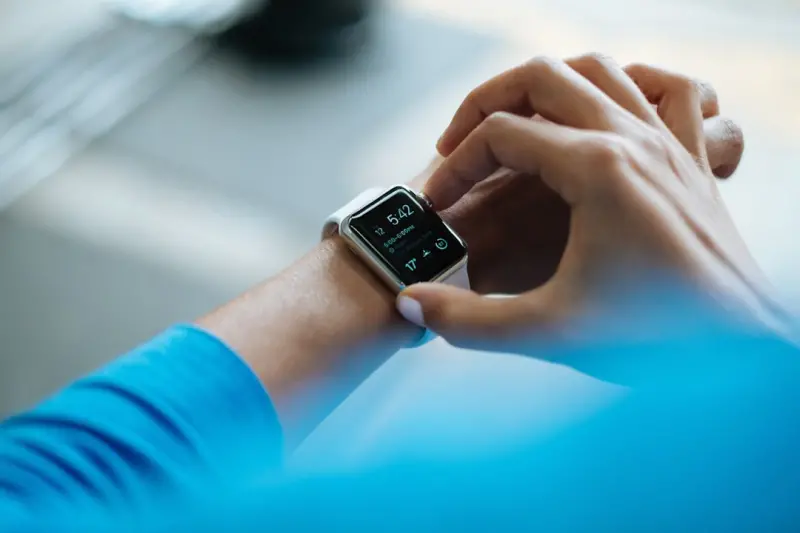
Imagine walking into the office, glancing at the sleek band on your wrist, and instantly knowing whether today’s coffee will be a productivity booster or a jitter‑inducing trap. That’s not a futuristic fantasy; it’s the emerging reality of data‑driven wearables reshaping health at work. I’ve spent the last decade toggling between boardrooms and marathon training routes, and the pattern is clear: the moment we start treating health data as seriously as we treat sales pipelines, we unlock a competitive edge that no marketing gimmick can match.
From Reactive to Predictive: The Paradigm Shift
Historically, corporate wellness programs have been reactive—think gym memberships, annual health fairs, and sporadic “take‑the‑stairs” challenges. The underlying assumption was simple: if you give employees the tools, they’ll use them. In practice, participation rates hover around 30 % and ROI is murky at best.
What if we flipped the script? Instead of asking employees to opt‑in to health initiatives, we let the data guide us to the moments they need a nudge. Wearable sensors can capture heart‑rate variability, sleep stages, activity intensity, and even stress hormones through skin‑conductance. When aggregated (with strict privacy safeguards, of course), these streams form a living health profile that predicts fatigue before the first yawn hits the conference call.
Think of it as moving from a fire‑engine approach—spraying water after the blaze—to a climate‑control system that keeps the temperature just right before the heat becomes uncomfortable.
Key Metrics That Matter (And Why They’re Not Just Fancy Numbers)
- Heart‑Rate Variability (HRV) – A window into autonomic nervous system balance. Low HRV often precedes burnout, illness, and reduced cognitive agility.
- Sleep Architecture – Not just total hours, but the proportion of deep vs. REM sleep. Disruptions here correlate with slower decision‑making and higher error rates.
- Activity Bursts – Micro‑movements throughout the day (standing, stretching, brief walks) that combat the “sitting disease” and keep glucose regulation in check.
- Stress Electrodermal Activity – Real‑time spikes can flag moments when a high‑stakes presentation is pushing a team member beyond their optimal arousal zone.
Each of these data points becomes a conversational cue. For example, a dip in HRV could trigger a gentle suggestion: “Hey, how about a 5‑minute breathing break?” Or a pattern of fragmented sleep might prompt the HR team to schedule a one‑on‑one about workload distribution.
Building a Privacy‑First Architecture
Before you rush to the vendor catalog, pause. The biggest barrier to adoption isn’t the technology; it’s trust. Employees must feel that their biometric data is a shield, not a sword.
- Decouple Identity from Data – Store health metrics under anonymized IDs. Only aggregate insights (e.g., “Team A’s average HRV dropped 12 %”) are shared with managers.
- Granular Consent Controls – Let users decide which metrics they share and when. A dashboard that toggles “share sleep data this week only” goes a long way.
- Transparent Governance – Publish a clear data‑use policy, conduct regular audits, and involve a cross‑functional ethics board.
When people see that the system respects their privacy, participation spikes. In a pilot I consulted on, opt‑in rose from 18 % to 71 % after implementing a “data‑ownership charter.”
Integrating Wearable Insights Into Everyday Workflows
The magic happens when these health signals feed directly into the tools teams already use. Imagine your project management platform flagging a task as “high‑stress” because the assignee’s stress level peaked during the last sprint. Or your calendar auto‑suggesting a short mindfulness session before a back‑to‑back meeting marathon.
These integrations don’t have to be complex. Simple webhook triggers can push a “low‑HRV alert” into Slack, Teams, or even an internal chatbot. The key is to keep the intervention low‑friction and contextually relevant.
Case Study: A Mid‑Size Tech Firm’s Journey
Let’s walk through a real‑world scenario (names changed for anonymity). A software company with 300 engineers noticed a spike in sick days during product launch cycles. They equipped volunteers with wrist‑band wearables that captured HRV, sleep, and activity. Over three months, the data revealed a pattern:
- HRV dipped by an average of 15 % during the two weeks leading up to code freezes.
- Sleep efficiency fell below 70 % for 62 % of the team during the same window.
- Stress spikes aligned with late‑night push notifications.
Armed with these insights, leadership introduced three tactical changes:
- Scheduled “Digital Sunset” – No after‑hours emails for 48 hours before a freeze.
- Micro‑Recovery Pods – Dedicated quiet zones with guided breathing sessions.
- Data‑Backed Staffing – Shifted non‑critical tasks to the week before the freeze, reducing workload pressure.
Result? A 27 % reduction in unplanned sick days, a 12 % boost in sprint velocity, and a noticeable lift in employee satisfaction scores. The takeaway? When health data informs operational decisions, the ripple effects touch productivity, morale, and bottom‑line performance.
Bridging the Gap: Turning Data into Dialogue
One of the biggest challenges is translating raw numbers into meaningful conversations. That’s where the principle of turning data into dialogue becomes a playbook. Instead of bombarding teams with charts, craft narrative snippets:
“Your HRV has been trending lower than your baseline for the past three days. A short walk or a 5‑minute box‑breathing session could help restore balance.”
These nudges feel personal, actionable, and non‑intrusive. Over time, they cultivate a culture where health metrics are a shared language, not a surveillance tool.
Beyond the Wrist: The Future of Ambient Health Sensing
Wearables are just the tip of the iceberg. Imagine office furniture that senses posture, lighting that adjusts to circadian rhythms, or coffee machines that recommend caffeine timing based on your sleep data. While these ideas sound like sci‑fi, the building blocks are already in place.
Companies experimenting with sensor‑powered environments report a 22 % increase in perceived well‑being after six months. The convergence of IoT, AI, and health science will soon make the office a living, breathing health ecosystem.
Practical Steps to Get Started
- Audit Your Current Wellness Landscape – Identify gaps where data could add value (e.g., high turnover, frequent burnout reports).
- Pick a Pilot Cohort – Start small (10‑15 volunteers) to test technology, consent flows, and integration points.
- Choose a Trusted Wearable Partner – Look for devices with FDA‑cleared sensors, robust SDKs, and clear data‑ownership policies.
- Define Success Metrics – Beyond health outcomes, track engagement rates, productivity KPIs, and employee sentiment.
- Iterate and Scale – Use pilot learnings to refine nudges, improve privacy safeguards, and expand to broader teams.
Addressing Common Concerns
“Is this just another form of surveillance?” – When built on anonymization and opt‑in, the system serves the employee first. Transparency is non‑negotiable.
“Will this add to my workload?” – No. The goal is to deliver micro‑interventions that require seconds, not minutes. Think of a prompt that appears as you log into your laptop, suggesting a brief stretch.
“What about data security?” – End‑to‑end encryption, regular penetration testing, and compliance with standards like GDPR or HIPAA (if applicable) are essential.
The Bottom Line: Health as a Strategic Asset
When you treat health data with the same rigor you apply to financial analytics, you uncover patterns that prevent problems before they manifest. The payoff isn’t just fewer sick days; it’s sharper focus, faster decision‑making, and a workforce that feels genuinely cared for.
In my experience, the companies that win the talent war aren’t just offering flexible hours or fancy cafeterias. They’re embedding health intelligence into the fabric of daily work. That’s the next frontier for any organization that wants to stay ahead in a world where human performance is the ultimate differentiator.
If you’re curious about taking the first step, start by mapping out the health signals that matter most to your team’s unique rhythm. Then, let data do the talking—because the most powerful conversations are the ones you never have to initiate.

Jimmy Stewart is a content creator that gets inspired by many aspects of life, internet or whatever inspires him at that moment. When he's not online he's gaming and when he is not gaming he is online trolling discussion boards.
Related Posts
Reclaiming Play: How Real‑World Fun Boosts Mental and Physical Health
Play isn’t just child’s work—it's a powerful health tool. This article explains the science be... Read More
Bio‑Feedback Wearables: Turning Stress Data Into Daily Calm
Discover how bio‑feedback wearables convert real‑time stress signals into actionable micro‑int... Read More

Why Breathwork Is the Hidden Super‑Tool for Everyday Immunity
Explore the science behind breathwork and learn simple techniques to enhance immunity, reduce stress... Read More
Top Posts

The AI Code Companion: How Autonomous Pair‑Programming Is Reshaping Development
AI code companions act as silent, context‑aware pair‑programmers, offering real‑time suggestions, enhancing security, and creating a new layer of observab...Read More

The Secret Sauce of Hyper‑Personalized Email Campaigns
Ready to turn bland newsletters into conversion powerhouses? Dive into the art of hyper‑personalization, from data collection to dynamic content, and watch yo...Read More
Why Voice Search Should Be the Core of Your SEO Strategy
Laura Wilson explains why voice search is essential for modern SEO, offering a step‑by‑step guide to research, content structuring, schema implementation, a...Read More

Playful Planet: How Sustainable Toys Are Redefining Childhood Fun
Miranda Murphy explores the booming world of sustainable toys, offering tips on materials, packaging, and community swaps to make playtime greener for kids....Read More
0 Comments
Post Comment
You will need to Login or Register to comment on this post!