
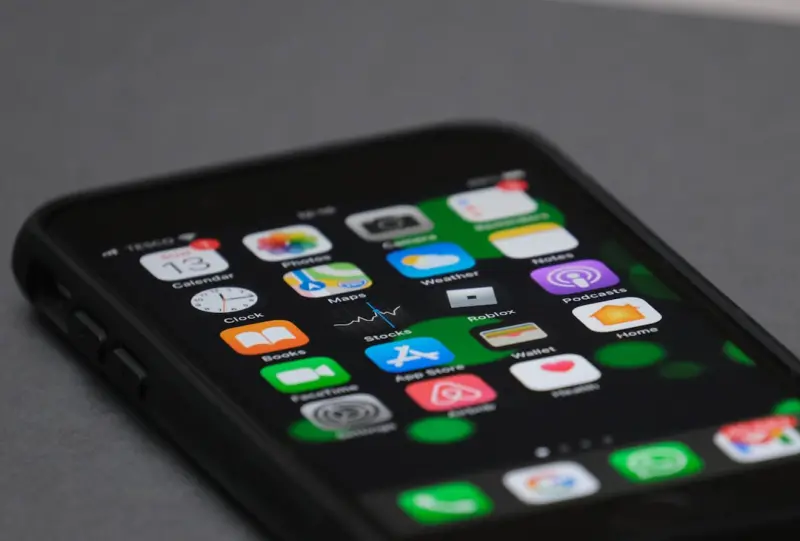
Why Health‑Centric Mobile Apps Are the Next Big Wave
When you pull out your phone today, you’re not just checking messages or scrolling feeds—you’re stepping into a digital health hub that can track, predict, and even prevent illness before you feel a single symptom. Mobile apps powered by artificial intelligence are turning raw biometric data into actionable insights, letting users make smarter choices about diet, exercise, sleep, and stress management without a doctor’s office in sight. This shift is especially profound for people who have always treated their smartphones as extensions of themselves, and the Unlocking the Full Potential of Your Smartphone guide shows how a few tweaks can unlock hidden sensors that fuel these health breakthroughs.
The AI Engine Behind Personalized Wellness
At the heart of every cutting‑edge health app lies a sophisticated AI engine that learns from your habits, integrates data from wearables, and tailors recommendations in real time, creating a feedback loop that feels almost psychic. By analyzing patterns across millions of users, these algorithms can flag early warning signs—like a subtle rise in resting heart rate or a shift in sleep stages—before you even notice a change, effectively turning your phone into a pocket‑sized preventive care specialist. To understand the data‑driven magic behind this, check out the principles outlined in AI‑Powered Personal Knowledge Management, which demystifies how raw information becomes a personal health compass.
Seamless Integration with Wearables and IoT Devices
Modern health apps no longer operate in isolation; they sync effortlessly with smartwatches, fitness bands, even connected scales and blood‑pressure cuffs, creating a unified health ecosystem that updates every few seconds. This constant stream of data enables the app to adjust goals on the fly—raising your step target after a sedentary day or recommending a calming meditation when stress markers spike—making the experience feel intuitively responsive. However, this convenience comes with a responsibility to protect sensitive health metrics, so developers are now embracing end‑to‑end encryption and on‑device processing to keep your personal information out of the hands of opportunistic data brokers.
From Reactive Care to Proactive Prevention
Traditional medical models have always been reactive, treating problems after they arise; health‑focused mobile apps are flipping that script by encouraging proactive habits that keep the body in balance. Features like daily micro‑check‑ins, symptom trackers, and AI‑driven risk assessments empower users to spot trends—such as a gradual increase in blood glucose levels—and intervene with diet tweaks or exercise before a chronic condition sets in. The mental‑health side is equally transformative, with mood‑logging tools that correlate emotional states with sleep patterns, offering personalized coping strategies that can stave off burnout before it escalates.
Community, Gamification, and the Power of Peer Support
Human beings thrive on connection, and health apps are capitalizing on this by weaving community features directly into the user journey, turning solitary self‑care into a shared adventure. Leaderboards, group challenges, and virtual support circles encourage friendly competition while fostering accountability, turning a routine walk into a collective mission to hit a weekly step goal. Gamified reward systems—like earning badges for consistent meditation or unlocking premium content after a streak of healthy meals—tap into the same dopamine pathways that make games addictive, but this time they reinforce real‑world wellbeing. By blending social interaction with data‑driven guidance, these platforms create a virtuous cycle where motivation sustains habit formation.
Monetization Models That Respect User Trust
While many health apps adopt a freemium model—offering basic tracking for free and charging for advanced analytics or personalized coaching—transparency around pricing and data usage has become a decisive factor for savvy consumers. Subscriptions that bundle premium content, one‑on‑one virtual consultations, and AI‑enhanced predictive reports are thriving, but only when users feel confident that their data isn’t being sold to third parties. Brands that prioritize clear consent flows, allow granular control over data sharing, and invest in third‑party audits are building stronger loyalty, proving that profitability and privacy can coexist without compromise.
Designing for Inclusivity and Accessibility
Health is universal, yet not every user interacts with an app in the same way; inclusive design ensures that visual, auditory, and cognitive differences don’t become barriers to better wellbeing. Features like adjustable font sizes, voice‑activated navigation, and color‑blind friendly palettes make apps usable for a broader audience, while customizable notification schedules respect varied daily rhythms and cultural norms. By embedding accessibility from the ground up, developers not only expand their market reach but also fulfill an ethical imperative—ensuring that the promise of digital health benefits everyone, regardless of ability.
Looking Ahead: Regulations, Ethics, and the Future Landscape
The rapid ascent of health‑centric mobile apps has caught the eye of regulators worldwide, prompting new standards around data security, algorithmic fairness, and clinical validation. As legislation tightens, developers who proactively adopt transparent AI practices and seek medical‑device certifications will gain a competitive edge, positioning their apps as trustworthy allies in the healthcare ecosystem. Meanwhile, emerging technologies like edge‑computing and federated learning promise to keep personal data on the device while still delivering powerful insights, heralding a future where privacy and personalization go hand in hand. Embracing these trends now means you’ll be ready to reap the benefits of a healthier, more empowered digital world.

Karen Edwards is a seasoned freelance writer with a passion for all things furry, feathered, and scaled. With a dedicated focus on pets, she brings a wealth of knowledge and a keen eye for detail to her writing.
Related Posts
Beyond Push: Designing Context‑Aware Mobile Experiences
Push notifications are losing their edge; the future lies in mobile apps that intelligently respond ... Read More

Why Mobile Apps Are the Silent Engines of Modern Enterprise Growth
Mobile apps are no longer a side project; they’re the action hubs that power B2B SaaS workflows, b... Read More
The Unseen Levers Driving Mobile App Adoption in Enterprise SaaS
A deep dive into the quiet, often overlooked tactics that make mobile apps essential for B2B SaaS, c... Read More
Top Posts

Cultivating a Sensory Garden in Tiny Urban Spaces
Learn to create a sensory garden in tiny urban spaces, using fragrant herbs, tactile foliage, and creative design to nurture wellbeing and community connections...Read More

WordPress Unleashed: From Blog Engine to Enterprise Experience Engine
Explore how WordPress evolves beyond blogging into a flexible, headless platform that supports enterprise‑scale digital experiences, offering low‑code desig...Read More

Turning Everyday Moments into Safety Wins for Kids
Discover how tiny, consistent habits—from morning safety scans to weekly digital check‑ins—can create a robust safety culture for your children, blending ...Read More

Celebrating Love Sustainably: Merging Heritage and Eco‑Conscious Choices for Your Wedding
A heartfelt guide to weaving heritage and eco‑conscious choices into every wedding detail, from seed paper invites to garden‑grown menus, creating a celebra...Read More
0 Comments
Post Comment
You will need to Login or Register to comment on this post!