
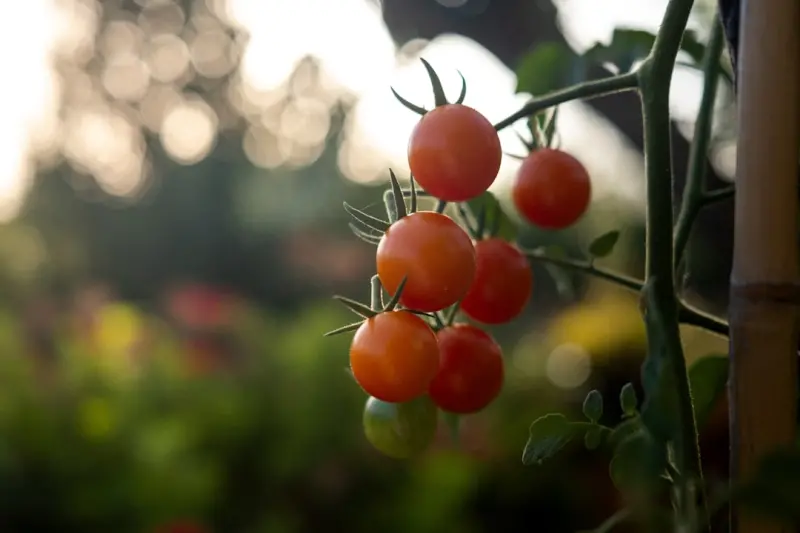
Harvesting Happiness: How a Small Urban Garden Can Transform Your Work‑Life Rhythm
When I first squeezed a tomato seed into a repurposed coffee tin on my balcony, I didn’t expect a quiet rebellion to bloom. The act of planting became a daily checkpoint—a moment to step away from inbox notifications, sip a tea, and ask myself: what am I really nurturing today? Over the past few years I’ve turned my modest balcony into a thriving micro‑farm, and the lessons I’ve learned are surprisingly transferable to any fast‑paced professional environment.
Why a Garden Isn’t Just a Hobby, It’s a Strategy
In the same way that a SaaS team might celebrate tiny wins to keep morale high, a garden offers countless small victories—first sprout, a leaf that turns the perfect shade of green, the scent of basil on a summer evening. These moments act as micro‑celebrations that reset our mental baseline, reminding us that progress isn’t always measured in massive milestones. When you watch a seed break through soil, you witness the payoff of patience and consistent care, a lesson that resonates far beyond the garden fence.
Designing a Garden That Mirrors Your Professional Goals
Just as a product roadmap lays out a sequence of features, a garden plan outlines the lifecycle of each plant. Here’s how I map my garden to my work objectives:
- Short‑term goals: Fast‑growing greens like arugula or radishes. They give quick feedback, much like an MVP (minimum viable product) that validates an idea within weeks.
- Mid‑term goals: Herbs such as rosemary, thyme, and mint. They need a bit more time to establish roots, analogous to building a robust API that requires iterative testing.
- Long‑term goals: Fruit‑bearing vines like strawberries or dwarf tomatoes. These demand sustained attention, mirroring a strategic initiative that spans quarters.
By aligning plant timelines with project timelines, I create a visual reminder of the rhythm of work—quick wins, steady development, and long‑term impact—all happening in a single, living dashboard.
The Science of Soil: A Metaphor for Team Culture
Good soil is the foundation of a healthy garden. It’s a blend of organic matter, minerals, air, and water, each element playing a unique role. If the soil is compacted or depleted, plants struggle to thrive. This parallels the concept of psychological safety in high‑performing teams. When people feel safe to experiment, ask “why,” and admit mistakes, the collective growth accelerates.
Here are three soil‑care practices I’ve borrowed for cultivating team culture:
- Regular amendment: Just as I add compost to replenish nutrients, I encourage continuous learning sessions and knowledge‑sharing “compost piles” so ideas don’t become stale.
- Loose structure: Loosening soil improves aeration; similarly, flattening hierarchical barriers lets information flow freely, preventing bottlenecks.
- Moisture balance: Over‑watering drowns roots; under‑watering stresses them. In a team, constant pressure can burn out members, while too little challenge leads to complacency. Finding the right “watering schedule” is key.
Seasonal Sprints: Borrowing Agile from the Garden
Gardeners instinctively work in seasonal cycles—planting in spring, nurturing through summer, harvesting in fall, and prepping the ground for winter. This natural cadence mirrors Agile sprints:
- Planning (Spring): Choose what to plant based on climate, market demand, and resources.
- Execution (Summer): Daily watering, pruning, and monitoring—just as a sprint involves daily stand‑ups and task boards.
- Review (Fall): Harvest the results, assess yield, and note lessons for the next cycle.
- Retrospective (Winter): Clear debris, replenish compost, and set goals for the upcoming season.
By treating each growing season as a sprint, I keep momentum without the fatigue of endless “always‑on” development. The inevitable downtime in winter isn’t a lull; it’s a strategic pause for reflection and preparation.
Mindful Multitasking: Growing Food While Growing Skills
One of the most rewarding aspects of my balcony garden is the seamless overlap between personal development and practical output. While I trim basil, I’m also sharpening my communication skills—explaining the nuances of pruning to a neighbor who’s curious about starting their own plot. The garden becomes a living classroom where soft skills like patience, observation, and empathy are honed daily.
Here’s how you can turn garden chores into skill‑building opportunities:
- Labeling plants: Practice concise documentation—think of it as a readme for future gardeners.
- Tracking growth: Maintain a simple spreadsheet of germination dates, watering frequency, and yields. This mirrors data‑driven decision making.
- Sharing harvest: Host a small “produce swap” with coworkers. Negotiating portions and expectations builds negotiation confidence.
Community Roots: Building Networks Beyond the Fence
Just as SaaS ecosystems thrive on plugins and integrations, gardens flourish in community ecosystems. I’ve joined a local urban‑gardening forum where members exchange seeds, tools, and troubleshooting tips. The network has become an invaluable resource, offering solutions that a single gardener might never discover alone.
In the professional world, cultivating similar ecosystems—whether through industry meetups, open‑source contributions, or cross‑departmental hackathons—creates a fertile ground for innovation. The cross‑pollination of ideas is the botanical equivalent of grafting a hardy rootstock onto a delicate fruit branch, yielding a plant that inherits the best of both worlds.
Budget‑Friendly Hacks: High Impact, Low Cost
Gardening can be expensive, but creativity often trumps cash. Below are a few frugal techniques that have saved me money while enhancing productivity:
- Upcycled containers: Old pallets become vertical planters; soda bottles serve as mini herb pots.
- DIY compost: Kitchen scraps turn into nutrient‑rich soil, reducing waste and fertilizer costs.
- Rainwater collection: A simple barrel provides a free water source, decreasing utility bills and ensuring consistent moisture.
These hacks echo the ethos of building a plugin ecosystem—leveraging existing resources to extend functionality without hefty investment.
Balancing the Wild and the Structured
While structure is essential, leaving pockets of “wild” space in the garden invites biodiversity. I deliberately allow a corner of my balcony to host native flowers, attracting pollinators and creating a natural pest‑control system. This balance mirrors the tension between strict processes and creative freedom at work. Too much rigidity can stifle innovation; a dash of “wild” encourages exploration and unexpected breakthroughs.
Harvest Celebration: From Plate to Performance Review
There’s something profoundly satisfying about plating a salad made from produce you grew yourself. I’ve started translating that pride into my professional life by creating a “Harvest Board” during quarterly reviews. Each harvested vegetable represents a completed project, a new skill acquired, or a partnership forged. The visual impact of a colorful array of carrots, lettuce, and peppers reinforces the narrative of tangible growth.
Conclusion: Plant the Seed, Nurture the Vision
Whether you’re a seasoned executive, a remote developer, or a curious novice, the principles of gardening—soil preparation, seasonal planning, community collaboration, and mindful celebration—offer a fresh, grounding lens through which to view work and life. By treating your professional garden with the same care you give your plants, you’ll discover that the most resilient ideas, like the hardiest tomato vines, thrive when they’re rooted in intention, nourished with consistency, and allowed space to blossom.

Amanda is a passionate writer exploring a kaleidoscope of topics from lifestyle to travel and everything in between.
Related Posts
The Soil Microbiome’s Secret Language: Turning Gardens into Living Labs
A deep dive into the hidden world of soil microbes reveals how gardeners can apply systems thinking,... Read More
Cultivating a Smart Garden: AI, Modular Tools, and Gamified Growth
Explore the rise of intelligent soil sensing, plug‑and‑play hardware, and gamified gardening com... Read More

Rain‑Harvested Balcony Gardens: A DIY Guide to Urban Greenery
Discover a step‑by‑step guide to building a rain‑harvested balcony garden, from DIY water coll... Read More
Top Posts

Upcycling Kitchen Scraps into Gourmet Delights
Learn how to transform everyday kitchen scraps into gourmet meals, boost sustainability, and add excitement to your cooking routine with practical tips and chef...Read More

From Reactive to Proactive: Mastering Autonomous Software Operations
The post explores autonomous software operations, detailing how AI‑driven observability, intent‑based automation, and self‑healing playbooks shift teams f...Read More

Beyond the Box: Reimagining Gifts as Ongoing Experiences
Explore fresh gifting ideas that prioritize experiences, community, and sustainability, turning ordinary presents into lasting memories....Read More

AI‑Generated Snippets: The New SEO Frontier for SaaS
Learn why AI‑generated snippets are reshaping search, and get a step‑by‑step strategy to future‑proof your SaaS SEO with entity mapping, micro‑pages, ...Read More
0 Comments
Post Comment
You will need to Login or Register to comment on this post!