

Why Psychological Safety Is the Secret Weapon for SaaS Innovation
When most SaaS leaders think about “safety,” the first things that come to mind are data encryption, compliance audits, or the next big vulnerability patch. Those are undeniably critical, but there’s a quieter, equally powerful dimension of safety that rarely gets a seat at the executive table: psychological safety. It’s the invisible infrastructure that determines whether engineers feel safe to experiment, whether product managers can challenge assumptions, and whether sales teams can admit a mis‑step without fear of blame.
In an industry where change moves at breakneck speed, teams that lack psychological safety often default to the safest route: doing nothing new. The result? Stagnation, missed market opportunities, and a talent drain that costs far more than any single security breach. In this post, I’ll unpack why psychological safety matters for SaaS, how it intertwines with the technical safety nets we already invest in, and concrete steps you can take to embed it into your organization’s DNA.
The Business Case: From Fear‑Driven Decisions to Fear‑Less Innovation
Imagine a product team that discovers a serious flaw in its AI‑driven recommendation engine. In a high‑trust environment, the data scientist can raise the alarm, the engineers can dive into root‑cause analysis, and the product owner can adjust the roadmap without the team fearing repercussions. In a low‑trust environment, the same scientist might hide the issue, hoping it resolves itself, or worse, blame a “third‑party” component to avoid scrutiny.
This isn’t just a hypothetical. Studies from the Harvard Business Review show that teams with high psychological safety are twice as likely to report innovative ideas, and they ship 30% more features on schedule. The upside is clear: safety breeds speed, not the other way around.
How Psychological Safety Complements Technical Safety Nets
Technical safety—think firewalls, zero‑trust architectures, and automated compliance checks—protects the product from external threats. Psychological safety protects the people building that product from internal threats like groupthink, rushed shortcuts, or the “hero culture” that glorifies working on broken code to meet a deadline.
When both layers work together, you get a resilient organization that can:
- Detect and disclose model drift early, rather than waiting for a customer complaint.
- Run privacy‑first federated learning experiments without fearing that a failed trial will be a career‑ending scandal.
- Navigate the legal complexities of AI with confidence, leveraging insights from legal strategies for AI‑driven SaaS while still feeling free to ask “what if?” during design reviews.
Key Drivers of Psychological Safety in SaaS Teams
1. Leadership Modeling – Leaders must openly admit their own mistakes. When a VP of Engineering shares a post‑mortem of a failed rollout, it signals that failure is a learning opportunity, not a career‑ending event.
2. Clear, Transparent Communication Channels – Slack, async stand‑ups, and even anonymous feedback tools create low‑friction ways for team members to voice concerns.
3. Outcome‑Focused, Not Blame‑Focused, Metrics – Shift from “how many bugs did we ship?” to “how quickly did we resolve critical incidents?” This reframes success around collaboration rather than individual heroics.
4. Psychological Safety Training – Workshops that teach active listening, constructive conflict, and the art of “radical candor” embed the right habits early, especially for new hires.
Practical Playbook: Embedding Psychological Safety in Your SaaS Organization
Below is a step‑by‑step playbook you can roll out in the next 90 days. Each step is designed to be low‑cost, high‑impact, and easily measurable.
- Conduct a Baseline Survey – Use a short, anonymous questionnaire (e.g., “I feel safe speaking up when I see a problem”). Benchmark the results and share them company‑wide.
- Establish a “No‑Blame” Incident Review Process – Replace post‑mortems that assign fault with “learning reviews” that focus on system improvements. Include a “what went well” section to balance the narrative.
- Implement “Voice‑Of‑The‑Team” Sessions – Monthly 30‑minute meetings where any team member can raise a safety concern—technical or cultural—without agenda constraints.
- Pair Technical Safety Initiatives with Psychological Safety Check‑Ins – When launching a new security feature, ask the dev team: “What fears do you have about this rollout?” and address them before go‑live.
- Celebrate Learning, Not Just Wins – Recognize individuals who surface hard truths. A simple “shout‑out” in a company newsletter can shift cultural norms dramatically.
- Leverage External Resources – Bring in experts from organizations that excel at safety culture (e.g., aerospace or healthcare) for a fresh perspective.
These actions may seem small, but they compound. Within weeks, you’ll notice fewer “silent” tickets, more open design critiques, and a measurable uptick in employee engagement scores.
Measuring the Impact: From Gut Feel to Data‑Driven Insights
Just as we instrument our applications for latency and error rates, we should instrument our culture for safety. Here are three metrics to start tracking:
- Safety Pulse Score – Monthly average of the baseline survey question “I feel safe raising concerns.” Aim for a 5% quarterly improvement.
- Incident Resolution Time – Compare time to resolve incidents before and after implementing “no‑blame” reviews. Faster resolution often correlates with higher psychological safety.
- Innovation Velocity – Count the number of new feature proposals that make it from concept to prototype each quarter. A rise indicates a freer ideation environment.
When you see these numbers climb, you’ve turned safety from a buzzword into a business driver.
Case Study: Turning a “Blame” Culture Into a Learning Engine
One mid‑size SaaS provider struggled with recurring API outages. Engineers were reluctant to log the root cause, fearing that senior leadership would view it as incompetence. After a leadership retreat focused on psychological safety, the company instituted a “Learning Review” process. Within three months, the team logged every incident, identified a hidden dependency, and patched it. The outage frequency dropped by 70%, and the engineering team reported a 30% increase in job satisfaction. This turnaround underscores how cultural safety can directly improve technical outcomes.
Future Outlook: Safety as a Competitive Moat
As SaaS products become more AI‑heavy and data‑driven, the margin for error shrinks. Companies that master both technical and psychological safety will build a moat that’s hard to replicate. They’ll attract top talent who crave an environment where ideas can be challenged without fear, and they’ll retain customers who trust that the product team can admit and fix problems quickly.
In the end, safety isn’t just about protecting assets—it’s about protecting the very people who create value. By investing in psychological safety today, you future‑proof your organization against the inevitable shocks of tomorrow’s tech landscape.

Shawn DesRochers is a certified Microsoft technician and Programmer with 30+ year's experience. He has written many reviews on computer related products, software, and SEO related topics. When he's not writing reviews he can be found at one of the Oldest Directories Online Web Domain Authority which he is the CEO of.
Related Posts

Hybrid Safety: Building a Resilient Work Experience for Distributed Teams
A practical guide to establishing a comprehensive safety framework for remote and hybrid workforces,... Read More
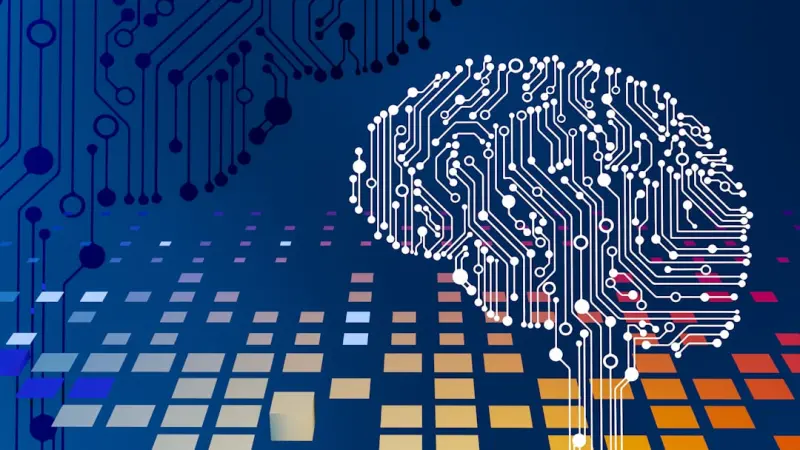
Engineering Psychological Safety in AI‑Powered SaaS Teams
A deep dive into why psychological safety is essential for AI‑driven SaaS teams, offering practica... Read More

Beyond the Checklist: A Holistic Approach to Everyday Safety
A fresh perspective on safety that blends digital hygiene, home ergonomics, commuting awareness, and... Read More
Top Posts
Plug‑In‑Play: How Micro‑Plugins Are Turning Users Into Co‑Creators
Micro‑plugins let SaaS platforms stay lightweight while enabling users to craft, share, and monetize bespoke features, fostering a vibrant co‑creation marke...Read More
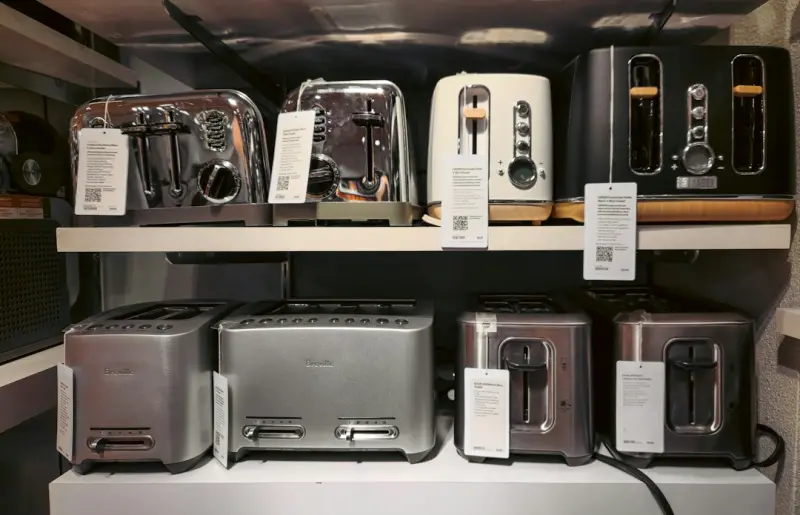
Rethinking Home Appliances: The Subscription Model That’s Changing How We Live
Explore the rise of appliance subscriptions, a service‑first approach that lowers upfront costs, extends product lifespans, and integrates predictive maintena...Read More

Turning Passion into Profit: Building a Sustainable Career in the Green Economy
Learn the practical steps to transition into the green economy, from leveraging sustainable software practices to mastering the green marketing playbook, and tu...Read More

Data Breach Class Actions: The New Legal Battlefield
A deep dive into the rise of data breach class actions, the legal tactics on both sides, and practical steps companies can take to protect themselves and consum...Read More
0 Comments
Post Comment
You will need to Login or Register to comment on this post!