
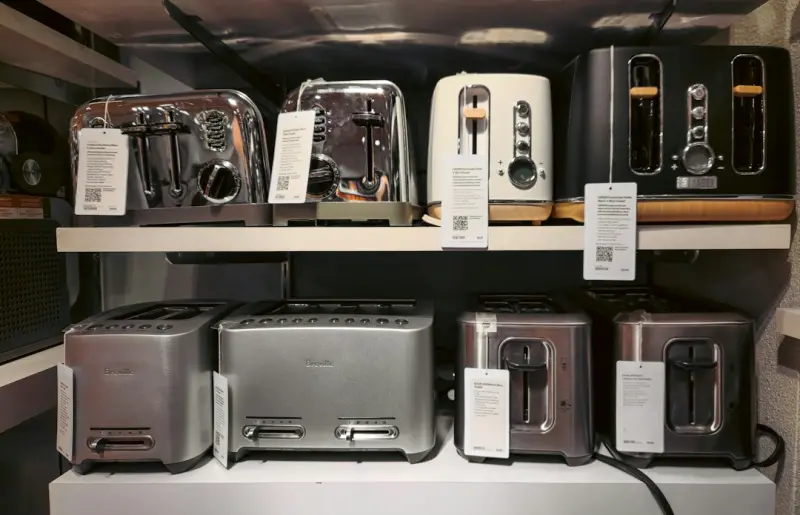
From Ownership to Service: Rethinking Home Appliances in the Subscription Age
When I first moved into my downtown loft, the idea of a full‑service appliance lineup felt like a futuristic luxury reserved for five‑star hotels. Fast‑forward a few years, and the same concept is quietly reshaping how families, freelancers, and small‑business owners think about the very tools that keep our kitchens humming and our laundry cycles turning.
In the SaaS world, we’ve long celebrated the shift from capital‑intensive software licenses to flexible, subscription‑based platforms. That transition unlocked predictable revenue for providers and lowered upfront costs for users. A plugin‑first strategy—where core functionality can be extended on demand—has become a hallmark of modern product design. But why should the same logic stop at the screen? The answer lies in the hidden costs, environmental impact, and user experience gaps that still plague traditional appliance ownership.
Why the Old Model Is Crumbling
Traditional appliance ownership was built on a simple premise: buy once, keep forever. In practice, the reality is far messier:
- Upfront capital outlay: A high‑end refrigerator can easily cost upwards of $2,500, a figure many renters or small‑business owners balk at.
- Obsolescence: Technological advances (think smart thermostats or Wi‑Fi connectivity) make even a three‑year‑old dryer feel ancient.
- Maintenance nightmares: A broken dishwasher often means a costly repair call or, worse, a full replacement.
- Environmental toll: The manufacturing, shipping, and eventual disposal of appliances generate significant CO₂ emissions.
These pain points mirror the challenges that early software buyers faced before the subscription model took hold. The eco‑friendly software practices we champion in the cloud can be repurposed for the physical world of home goods.
The Subscription Blueprint: How It Works for Appliances
Imagine walking into a kitchen showroom and, instead of selecting a model to purchase, you choose a service tier:
- Basic Tier: Access to standard, energy‑efficient models with annual maintenance checks.
- Premium Tier: Smart‑enabled appliances that sync with your phone, include predictive diagnostics, and offer free upgrades every two years.
- Enterprise Tier: Tailored for co‑working spaces or boutique hotels, this level bundles bulk deployment, centralized monitoring, and on‑site tech support.
Each tier operates on a predictable monthly fee, covering the appliance itself, insurance‑style protection, and service visits. The model creates a virtuous cycle:
- Lower entry barriers: Users can adopt cutting‑edge tech without the hefty price tag.
- Data‑driven maintenance: Sensors report performance metrics in real time, enabling predictive servicing before a breakdown occurs.
- Extended product lifespan: Regular software updates and component swaps keep appliances running at peak efficiency.
- Reduced waste: When an appliance truly reaches end‑of‑life, providers recycle or refurbish parts, closing the loop.
Predictive Maintenance: The Real Game‑Changer
At the heart of the subscription model is the ability to anticipate failures before they happen. Modern appliances now come equipped with micro‑sensors that monitor temperature fluctuations, motor vibrations, and even water pressure. These data streams feed into cloud‑based analytics platforms that flag anomalies.
For example, a smart washing machine might detect an abnormal rise in motor temperature after the third spin cycle of a load. The analytics engine, using a trained model, predicts a bearing wear issue and automatically schedules a technician visit—often within 48 hours—while notifying the homeowner via their preferred messaging app.
This approach mirrors the proactive health monitoring we see in SaaS applications, where usage patterns trigger alerts and automatic patches. The result? Fewer emergency service calls, lower repair costs, and happier customers.
Environmental Upside: A Greener Kitchen Without the Guilt
One of the most compelling arguments for appliance subscriptions is the positive environmental impact. When manufacturers retain ownership, they have a vested interest in designing for durability, upgradability, and recyclability. This aligns perfectly with the principles of a circular economy.
Key environmental benefits include:
- Energy efficiency upgrades: As newer, lower‑energy models become available, subscribers can swap out old units without buying a whole new set.
- Reduced e‑waste: End‑of‑life components are collected by the provider, ensuring proper recycling or repurposing.
- Optimized logistics: Centralized inventory management allows for bulk shipping and consolidated returns, cutting down on carbon emissions.
These outcomes echo the sustainability goals we discuss in our green SaaS blueprint, where shared resources and efficient lifecycle management are paramount.
Consumer Psychology: Why People Might Prefer Subscriptions
Beyond the hard numbers, there’s a subtle shift in how consumers perceive ownership. The “use‑instead‑of‑own” mindset is gaining traction, especially among millennials and Gen Z. Several psychological factors drive this trend:
- Flexibility: The ability to upgrade or downgrade based on life changes—think moving from a studio to a family home—removes the fear of being stuck with an ill‑fitting appliance.
- Risk aversion: Knowing that repairs and replacements are covered reduces anxiety around costly breakdowns.
- Experience focus: Consumers increasingly value hassle‑free experiences over the notion of possession.
In the B2B SaaS realm, we’ve seen similar shifts with customers opting for “pay‑as‑you‑go” models to avoid sunk costs. The same logic is now being applied to the kitchen and laundry rooms of homes worldwide.
Challenges to Overcome
While the subscription model offers a promising roadmap, it’s not without hurdles:
- Regulatory compliance: In some regions, leasing appliances triggers different tax and consumer protection laws.
- Data privacy: Continuous sensor data collection raises concerns about who owns that information and how it’s secured.
- Infrastructure readiness: Not all service providers have the logistics network to handle rapid swaps and repairs at scale.
Addressing these challenges requires a collaborative approach—manufacturers, service firms, and tech platforms must co‑design standards that protect users while fostering innovation.
Case Study: A Boutique Hotel’s Leap to Subscription Appliances
Consider Marble & Moss, a boutique hotel nestled in a historic district. The owners faced a dilemma: their 30‑year‑old HVAC system was energy‑inefficient, yet a full replacement would require a capital outlay they couldn’t justify during an off‑season. They partnered with an appliance‑as‑a‑service provider offering a smart climate control subscription.
Within weeks, the hotel received modular units that integrated with the building’s existing ductwork. Sensors began streaming temperature and humidity data to a cloud dashboard, where the provider’s AI adjusted settings for optimal guest comfort while minimizing energy use. The subscription fee covered all maintenance, and the provider swapped out components showing wear before any guest noticed a dip in performance.
Results after six months:
- Energy consumption dropped by 22%.
- Guest satisfaction scores for room comfort rose from 8.1 to 9.3 out of 10.
- The hotel avoided a $75,000 capital expense, preserving cash flow for marketing initiatives.
This real‑world example illustrates how the subscription framework can deliver tangible ROI, improve sustainability, and enhance the end‑user experience—all without a hefty upfront investment.
Integrating Subscription Appliances Into Existing SaaS Ecosystems
If you already run a SaaS platform that touches the home—whether it’s a smart lighting controller, a home‑security dashboard, or an energy‑monitoring app—adding appliance subscriptions can be a natural extension. Here’s a quick roadmap:
- API Partnerships: Connect with appliance‑as‑a‑service providers via open APIs to pull device status, usage metrics, and service schedules.
- Unified Billing: Consolidate subscription fees into a single invoice, giving users a seamless financial experience.
- Data Fusion: Combine appliance data with existing telemetry (e.g., HVAC, lighting) to offer holistic home‑efficiency recommendations.
- Customer Support Integration: Route service tickets from appliances through your existing help‑desk workflow, reducing friction.
By treating appliances as another “module” in your product suite, you can leverage the same plugin‑first strategy that fuels rapid feature rollout in software—only now the plugins are physical devices.
Future Outlook: The Dawn of a Service‑Centric Home
The next decade will likely see a convergence of three trends:
- IoT‑Enabled Devices: More appliances will ship with built‑in connectivity, turning every fridge door or oven knob into a data point.
- AI‑Driven Orchestration: Central platforms will coordinate appliances, lighting, and climate systems to optimize energy usage and comfort automatically.
- Service‑First Economics: Ownership will become a niche option reserved for enthusiasts, while the majority of households adopt subscription models for flexibility and sustainability.
When these forces align, the average home will feel less like a collection of static objects and more like a living, responsive environment—much like the software ecosystems we design for enterprises today.
Getting Started: Practical Steps for Homeowners and Business Leaders
Whether you’re a homeowner curious about reducing upfront costs or a business leader exploring new revenue streams, here’s a checklist to begin the journey:
- Audit Your Current Appliance Stack: Identify items that are energy‑hungry, frequently repaired, or nearing the end of their useful life.
- Research Service Providers: Look for companies that offer transparent contracts, clear upgrade paths, and robust data security policies.
- Pilot a Single Appliance: Start with a high‑use item—like a dishwasher or HVAC unit—to gauge the service experience and ROI.
- Integrate with Existing Tech: If you already use a home‑automation hub, ensure the new subscription appliance can plug into that ecosystem.
- Monitor Metrics: Track energy savings, maintenance incidents, and overall satisfaction over a six‑month period to assess impact.
By taking a measured, data‑driven approach, you can transition smoothly from ownership to service, unlocking financial flexibility, sustainability benefits, and a more enjoyable daily routine.
Conclusion: A Paradigm Shift Worth Embracing
In the same way that SaaS transformed the software landscape—turning massive, upfront capital expenses into predictable, scalable subscriptions—the appliance market is poised for a similar evolution. The subscription model addresses the pain points of cost, maintenance, and environmental impact while delivering a richer, data‑powered experience.
For homeowners, it means fewer surprise repair bills and a kitchen that stays cutting‑edge without a constant cash drain. For businesses, it opens a recurring‑revenue channel that dovetails with existing SaaS offerings, creating a holistic ecosystem of physical and digital services.
As we continue to blur the lines between software and hardware, the question isn’t “Will you adopt appliance subscriptions?” but rather “When will you start?” The future of home living is already being delivered, one serviced appliance at a time.

Jody Henderson is a passionate freelance writer, driven by a love for storytelling and a keen eye for detail. With a versatile skillset, she crafts compelling content across a variety of niches, from engaging blog posts to informative articles and persuasive marketing copy.
Related Posts
Why Renting High-End Appliances Is the Smartest Move for Modern Offices
Exploring the shift from owning to renting premium office appliances, this post reveals financial, o... Read More
Voice‑First Appliances: The Quiet Home Revolution
Voice‑first appliances are turning everyday chores into conversational experiences, improving acce... Read More
The Rise of Adaptive Home Appliances: How Kitchens Are Learning to Cook With You
Adaptive home appliances are turning kitchens into collaborative partners, using sensors, AI, and re... Read More
Top Posts
Mental Health in 2024: Tyler Johnson’s Sustainable Path to Inner Resilience
Tyler Johnson shares how sustainable living, AI, and mindful digital habits can transform mental health, offering practical steps for a calmer, greener 2024....Read More

Why Your Next Health Upgrade Should Be a Data‑Driven Wearable Strategy
Explore how data‑driven wearables can shift corporate wellness from reactive perks to predictive health intelligence, boosting productivity and employee wellâ...Read More

Micro‑Celebrations: Tiny Rituals That Transform Everyday Moments
Explore the power of micro‑celebrations—small, intentional rituals that turn everyday moments into lasting joy and stronger community bonds....Read More

The Quiet Revolution: How Decentralized Social Networks Are Redefining Online Identity
A deep dive into the rise of decentralized social networks, their benefits, challenges, and what they mean for creators and everyday users....Read More
0 Comments
Post Comment
You will need to Login or Register to comment on this post!