
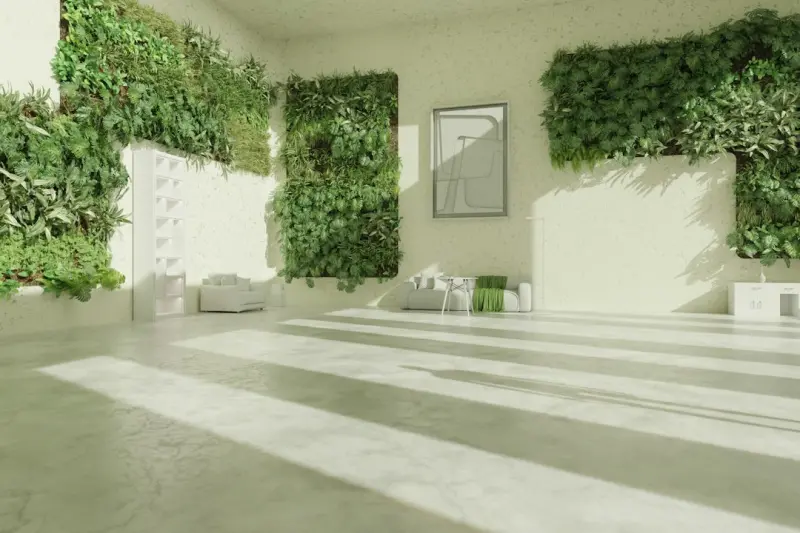
Why Home Offices Need a Breath of Fresh Air—Literally
When the line between work and home blurs, the space we sit in becomes more than a desk and a chair. It becomes a psychological anchor, a place that either fuels our creativity or drains our energy. The pandemic taught us that a bland, static office can sabotage focus. Today, designers are turning to adaptive biophilic design—a marriage of nature, technology, and human‑centered ergonomics—to reshape the way we experience our home workstations.
Biophilia 2.0: From Passive Plants to Responsive Environments
Biophilic design isn’t new; the idea of bringing plants into interiors dates back to the 1980s. What’s different now is the integration of sensors, smart lighting, and dynamic materials that respond to a user’s physiological cues. Imagine a wall panel that shifts its hue based on your heart rate, or a ceiling that releases a subtle mist when ambient CO₂ levels rise. These responsive elements create a feedback loop where the environment adapts to you, and you, in turn, feel more grounded.
Key Pillars of Adaptive Biophilic Design
- Natural Light Amplification – Harness daylight with smart blinds that adjust transparency in real time, reducing glare while maintaining a connection to the outdoors.
- Living Walls & Air‑Purifying Flora – Use modular plant systems that can be swapped out based on seasonal preferences or air‑quality metrics.
- Dynamic Color & Texture – Deploy color‑changing LEDs or thermochromic paints that react to temperature, mood‑tracking wearables, or even the time of day.
- Acoustic Ecosystems – Install acoustic panels that mimic natural sounds (rain, forest canopy, distant surf) and can be programmed to shift intensity based on workload intensity.
- Material Responsiveness – Choose furniture with smart fabrics that adjust firmness or temperature, ensuring comfort without constant manual tweaking.
Designing for Productivity: The Science Behind the Green
Research from environmental psychology consistently shows that exposure to natural elements reduces stress hormones, improves focus, and even enhances creative thinking. When these benefits are combined with real‑time data, the impact compounds. A study by the University of Michigan found that workers in spaces where lighting and temperature were automatically optimized showed a 12% increase in task completion speed compared to static environments.
Tech Meets Timber: Practical Steps to Implement Adaptive Biophilia
Adopting this approach doesn’t require a full‑blown renovation. Below is a roadmap that lets you layer technology over existing interiors, creating a gradual, budget‑friendly transformation.
1. Audit Your Current Space
Start by mapping out light sources, ventilation pathways, and existing plant life. Use a simple spreadsheet to log:
- Hours of natural light per day
- Current indoor temperature range
- Air quality indicators (CO₂, humidity)
- Noise levels during peak work hours
These data points will inform which adaptive solutions will have the biggest ROI.
2. Introduce Smart Light Management
Replace traditional blinds with motorized versions that pair with a daylight sensor. Brands now offer Bluetooth‑enabled blinds that can be controlled via a mobile app or integrated with voice assistants. When the sensor detects excess glare, the blinds dim automatically, preserving your view of the sky while protecting your screen.
3. Deploy Modular Plant Systems
Instead of a single large fiddle‑leaf fig, opt for a modular plant system that can be reconfigured. These kits often include built‑in moisture sensors, notifying you via a phone alert when watering is needed. By rotating plant species seasonally, you keep the visual interest fresh and maintain optimal air purification.
4. Integrate Adaptive Color Panels
LED wall panels have become sleek, thin, and affordable. Pair them with a wearable that tracks heart rate variability (HRV). If the wearable detects elevated stress, the panel shifts to calming blues or greens. Conversely, during high‑energy brainstorming sessions, a warm amber hue can boost alertness.
5. Upgrade Acoustic Comfort
Acoustic comfort is often overlooked, yet it’s crucial for focus. Install fabric‑wrapped acoustic tiles that can be programmed to emit gentle nature sounds. A simple timer can fade the soundscape in and out, preventing auditory fatigue.
6. Choose Smart Furniture
Look for chairs with built‑in temperature regulation and posture sensors. Some desks now feature a “sit‑stand” mode that automatically adjusts based on your movement patterns, encouraging healthier work habits without constant manual input.
Case Study: A Remote Team’s Turnaround Using Adaptive Biophilia
A mid‑size SaaS firm recently re‑designed its remote‑first policy by gifting each employee a “biophilic starter kit.” The kit included a smart lamp, a set of low‑maintenance succulents, and a subscription to a mood‑tracking wearable. Within three months, the company reported:
- 15% reduction in reported burnout symptoms
- 10% increase in average weekly output per employee
- Higher retention rates, attributed to improved home‑office satisfaction
The success was attributed to the holistic nature of the solution: technology acted as an enabler, not a replacement for natural elements.
Synergy with Sustainable Practices
Adaptive biophilic design dovetails with broader sustainability goals. By integrating eco‑friendly software strategies—such as energy‑efficient lighting controls and data‑driven HVAC optimization—you lower your carbon footprint while creating a healthier workspace.
Moreover, choosing locally sourced, reclaimed wood for furniture and using plant species native to your region reduces transportation emissions and supports biodiversity.
Potential Pitfalls and How to Avoid Them
While the concept sounds futuristic, there are practical challenges:
- Over‑Automation – Too many sensors can feel intrusive. Start with one or two adaptive elements and expand as comfort grows.
- Maintenance Overload – Plants need care. Choose low‑maintenance species like ZZ plants, snake plants, or air‑purifying pothos to keep upkeep minimal.
- Data Privacy – Wearables and sensors collect personal data. Ensure any platform you use complies with privacy regulations and offers transparent data handling policies.
Future Trends: What’s Next for Adaptive Biophilia?
Look out for these emerging technologies that will push the envelope further:
- AI‑Driven Mood Forecasting – Algorithms that predict stress spikes based on calendar events, adjusting lighting and sound preemptively.
- Biometric‑Responsive Furniture – Desks that subtly change height or tilt based on real‑time posture data.
- Virtual Green Spaces – Augmented reality windows that project dynamic outdoor scenes, perfect for windowless rooms.
These innovations promise to make our home offices not just functional, but genuinely restorative.
Putting It All Together: A Sample Adaptive Biophilic Workspace
Picture this: A sun‑lit corner by a large window, equipped with motorized sheer blinds that dim at sunset. A living wall of succulents occupies one side, its built‑in moisture sensors glowing green when hydration is optimal. Above the desk, a thin LED panel shifts from sunrise orange to deep sea blue as your heart rate settles after a focused work sprint. A soft acoustic panel emits a faint rustle of leaves, while a smart chair adjusts lumbar support based on your seated posture. The result? A space that feels alive, supportive, and uniquely yours.
Adopting adaptive biophilic design is less about buying the latest gadget and more about cultivating an environment that listens, reacts, and ultimately, nurtures your best work. As we continue to blend the organic with the digital, the future of interior design will be defined by spaces that are as dynamic as the people who inhabit them.

Jody Henderson is a passionate freelance writer, driven by a love for storytelling and a keen eye for detail. With a versatile skillset, she crafts compelling content across a variety of niches, from engaging blog posts to informative articles and persuasive marketing copy.
Related Posts
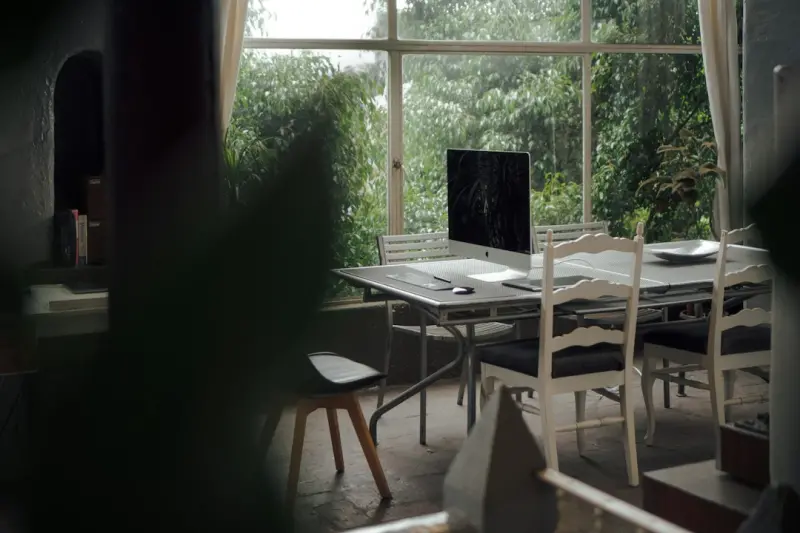
Designing an Adaptive Home Office That Grows With You
Learn practical strategies for building a home office that adapts to changing tasks, moods, and tech... Read More

Living Green: How Biophilic Design Turns Home Offices Into Wellness Hubs
A deep dive into biophilic design for home offices, showing how natural elements, sustainable materi... Read More
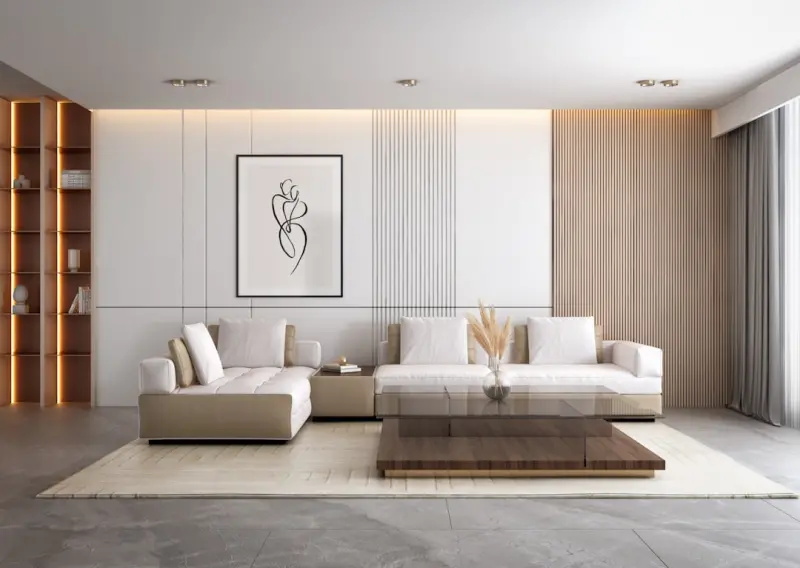
Beyond Aesthetics: Crafting Spaces That Nurture the Senses
A deep dive into multisensory interior design, revealing how sound, scent, texture, light, and thoug... Read More
Top Posts

Reimagining the Classroom with Adaptive Learning Engines
Adaptive learning engines personalize instruction in real time, using data‑driven insights to tailor lessons, engage students, and support teachers—all whil...Read More

The New Wave of Hyper‑Personalized Impersonation Scams in Remote Work
Scammers are using AI to craft hyper‑personalized impersonation attacks that exploit remote‑work tools, QR codes, and supply‑chain communications. Discove...Read More

Revenue Operations: The Business Engine You’ve Been Missing
RevOps transforms siloed sales, marketing, and customer success into a single revenue engine, using unified data, human‑centric KPIs, and a data trust framewo...Read More
Beyond Logos: Crafting a Multi‑Sensory Brand Identity for SaaS
A deep dive into sensory branding, storytelling, AI personalization, and micro‑content strategies that transform a SaaS logo into a memorable, multi‑dimensi...Read More
0 Comments
Post Comment
You will need to Login or Register to comment on this post!