

Why Appliances Are Becoming the Quiet Orchestrators of Modern Living
When I first stepped into a showroom two decades ago, a refrigerator was a metal box that kept food cold, a dishwasher was a bulky after‑dinner chore, and a thermostat was a simple dial. Today, the same appliances have quietly evolved into intelligent companions that anticipate needs, conserve resources, and even influence how we design our daily rituals. This shift isn’t driven solely by flashy tech headlines; it’s the result of a deeper cultural move toward homes that respond to the rhythm of our lives. In this piece, I’ll walk you through the subtle forces reshaping appliances, the practical benefits you can tap into right now, and the future‑ready mindset that will keep your kitchen—and your life—running smoothly.
The Quiet Intelligence Behind “Smart” Appliances
Smart appliances have become less about voice assistants and more about contextual awareness. A modern oven can learn your preferred browning level for chicken, while a washing machine detects fabric type and adjusts cycles without you lifting a finger. What’s fascinating is how these devices use local processing rather than cloud‑reliant AI, which means faster response times and enhanced privacy. This transition mirrors broader consumer demand for seamless experiences that don’t require constant internet connectivity. The result is a home ecosystem where each appliance subtly nudges you toward optimal performance—whether that means reducing water usage during a wash or pre‑heating the oven based on your evening calendar.
Energy Efficiency: The Real ROI of Modern Appliances
Beyond convenience, the most compelling argument for upgrading your appliances is the tangible reduction in energy bills. Energy Star certifications have become baseline; today’s high‑efficiency models push the envelope further with adaptive compressors, variable‑speed motors, and heat‑exchange technologies that recycle waste heat. For example, a refrigerator equipped with a dual‑evaporator system can keep fresh and frozen sections at separate optimal temperatures, cutting energy waste by up to 30% compared to legacy models.
Consider the cumulative impact: a family of four that replaces an old dishwasher with a modern, sensor‑driven unit can save roughly 1,800 kWh over five years—equivalent to the annual electricity consumption of a small apartment. Those savings translate directly into lower utility costs and a smaller carbon footprint, aligning financial prudence with environmental stewardship.
Modular Design: Appliances That Grow With You
One emerging trend that’s still under the mainstream radar is modular appliance design. Instead of purchasing a monolithic unit, homeowners can now opt for interchangeable components that evolve as needs change. Imagine a countertop oven that can snap on a convection module during holiday seasons or a refrigerator that adds a temperature‑controlled wine compartment without a full replacement. This approach reduces electronic waste and offers a more sustainable upgrade path, allowing you to keep the core appliance while refreshing its capabilities.
Manufacturers are embracing this mindset by standardizing connection interfaces and offering subscription‑style upgrade kits. The modular model also invites creativity: a tech‑savvy homeowner can integrate a smart pantry system that logs inventory and suggests recipes, turning a simple fridge into a culinary command center.
Health‑Centric Features: From Air Quality to Food Safety
Health considerations have moved from niche add‑ons to core specifications. Modern ranges now incorporate built‑in ventilation that monitors indoor air quality, automatically adjusting exhaust fans when it detects cooking fumes. Refrigerators are equipped with antimicrobial interiors and humidity‑controlled drawers to extend produce freshness, while ovens can run low‑temperature “slow‑cook” modes that preserve nutrients.
One standout feature is the integration of UV‑C light in dishwashers, which sanitizes dishes beyond what high‑temperature washes achieve. For families with immunocompromised members, these incremental health safeguards become decisive purchase factors, turning an appliance from a convenience item into a protective ally.
Design as a Lifestyle Statement
Appliance aesthetics have transcended utilitarianism to become a central element of interior design. Minimalist matte finishes, integrated handles, and panel‑ready appliances that blend seamlessly into cabinetry are no longer reserved for high‑end showrooms. The rise of “appliance‑first” design philosophies means that kitchens are now curated spaces where each piece contributes to a cohesive visual narrative.
Designers are also exploring color trends, offering bold hues that double as accent walls, and customizing panels with natural materials such as bamboo or reclaimed wood. The result is a kitchen that feels like an extension of personal style—a space where function and form are equally celebrated.
Data Privacy: The Unspoken Assurance
With increased connectivity comes heightened concern over data privacy. While many consumers fear that smart appliances might be listening to every conversation, manufacturers are responding with on‑device processing and transparent data policies. Some brands now provide a physical switch that disables network access entirely, giving users the confidence to enjoy advanced features without compromising personal data.
Choosing appliances that prioritize privacy not only protects your household but also sets a benchmark for industry standards—encouraging a market where security is as prized as performance.
Integrating Appliances Into a Holistic Home Workflow
To truly harness the potential of modern appliances, consider them as nodes in a broader home workflow rather than isolated gadgets. For instance, a smart fridge can send a notification to your phone when milk is low, prompting a grocery app to add the item automatically. An oven that syncs with your calendar can pre‑heat before you arrive home from work, ensuring dinner is ready when you walk through the door.
This orchestration mirrors the philosophy found in playful routines. By turning routine chores into seamless, almost invisible steps, you free mental bandwidth for more meaningful activities—whether that’s family time, creative projects, or strategic planning.
Future‑Proofing Your Kitchen: A Pragmatic Checklist
- Assess Energy Labels: Look for models that exceed standard Energy Star ratings and feature adaptive technologies.
- Prioritize Modularity: Choose appliances with interchangeable components to extend lifespan.
- Evaluate Health Features: UV‑C sanitation, air quality monitoring, and humidity controls are worth the investment.
- Check Privacy Settings: Opt for on‑device processing and the ability to disable network connectivity.
- Match Aesthetic Vision: Ensure the design language aligns with your overall home décor.
- Plan Integration: Map how each appliance will communicate with your existing smart home ecosystem.
The Human Touch: Appliances as Enablers, Not Replacements
Despite the surge in automation, the best appliances still require a human touch. A high‑tech oven can suggest cooking times, but the final seasoning decisions remain yours. The real value lies in reducing friction, allowing you to focus on creativity and connection rather than repetitive tasks. When appliances serve as silent enablers, they empower you to curate experiences—be it a family dinner, a quiet morning coffee, or a weekend bake‑off.
Closing Thought: Your Kitchen, Your Canvas
Appliances have quietly transitioned from background utilities to proactive participants in our daily lives. By embracing energy efficiency, modular design, health‑centric features, and thoughtful integration, you can turn your kitchen into a dynamic canvas that reflects both your lifestyle and values. The next time you stand before a sleek, whisper‑quiet refrigerator or an oven that greets you with a recipe suggestion, remember: this is not just a product upgrade—it’s an invitation to reimagine how you live, work, and connect at home.
Further Reading
If you’re curious about how thoughtful choices can ripple across other aspects of life, consider exploring the ideas behind thoughtful gifting. The same principles of intentional design and user‑centric thinking apply whether you’re selecting a gift for a colleague or a new appliance for your kitchen.

David Moore is a freelance writer specializing in two dynamic and ever-evolving fields: gambling and the tech industry. With a keen eye for detail and a knack for unraveling complex topics, David delivers insightful and engaging content that keeps readers informed and entertained.
Related Posts
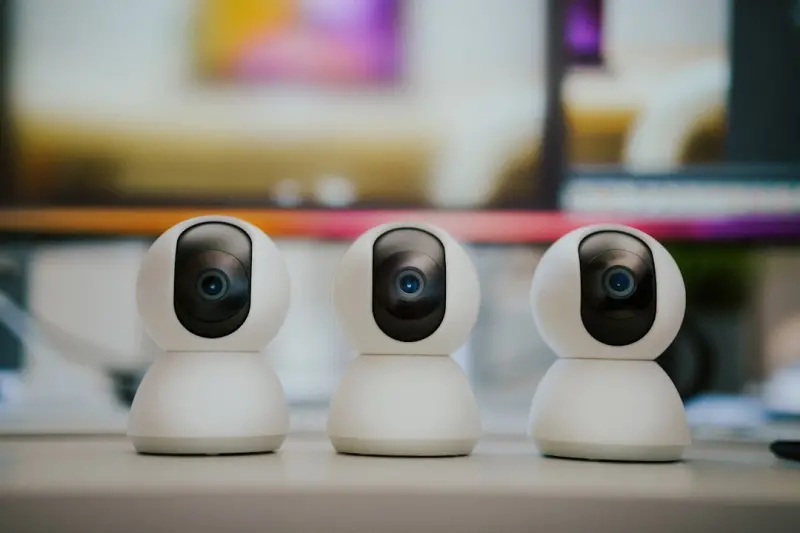
The Future of Appliances: From Smart Helpers to Service Platforms
Smart appliances are moving beyond standalone gadgets to become subscription‑based platforms that ... Read More

When Your Refrigerator Starts Talking: The Unexpected Benefits of Connected Appliances
A deep dive into the rise of smart refrigerators and other connected appliances, highlighting realâ€... Read More
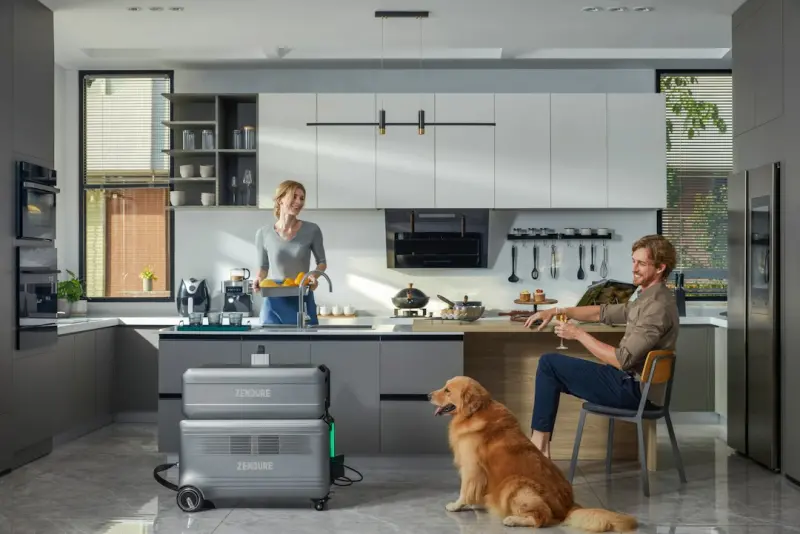
The Silent Kitchen: How Whisper‑Quiet Appliances Redefine Open‑Plan Living
A deep dive into the rise of whisper‑quiet appliances, their tech innovations, and practical steps... Read More
Top Posts

Invisible Armor: Mastering Online Safety for the Modern Remote Professional
A deep dive into modern online safety, offering actionable tactics—beyond passwords—to secure remote work environments, data, and personal privacy....Read More

Why Pet Subscription Boxes Are the Next Big Thing for Modern Owners
Pet subscription boxes blend convenience, personalization, and sustainability, offering busy owners curated goodies that keep pets happy and healthy while foste...Read More
When Teens Build Their Own Future: The Maker Lab Movement
A deep dive into the maker lab movement, highlighting how hands‑on projects, safe digital practices, and cross‑generational mentorship empower teens to beco...Read More
Microbreak Mastery: Reclaiming Mental Clarity in a Hyperconnected Workday
Discover the power of short, purposeful pauses—microbreaks—to reset your brain, reduce stress, and boost productivity. This guide offers science‑backed te...Read More
0 Comments
Post Comment
You will need to Login or Register to comment on this post!