
Why Noise Matters More Than You Think
When I first moved into my open‑plan loft, the idea of a quiet home sounded like a luxury I’d have to settle for after the kids grew up. Little did I know that the hum of a refrigerator or the whirr of a dishwasher could become the background soundtrack of my daily life – one that I never asked to hear.
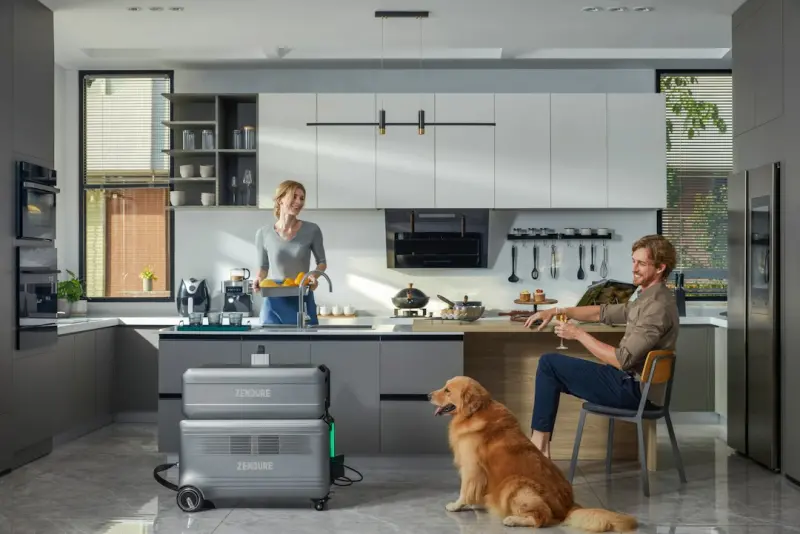
Most appliance discussions focus on energy efficiency, sleek finishes, or smart connectivity. Those are important, but there’s an under‑appreciated factor that’s reshaping how we design kitchens, laundry rooms, and even living spaces: sound. In a world where the kitchen is often the heart of the home and open‑plan layouts blur the line between cooking and conversation, the silent kitchen is emerging as a must‑have, not a nice‑to‑have.
The Rise of Whisper‑Quiet Motors
Historically, the motor and compressor in a refrigerator or washing machine were the loudest culprits. Advances in brushless DC motors, variable‑speed drives, and acoustic insulation have reduced those decibel levels dramatically. Brands are now marketing “quiet‑mode” cycles that can run a dishwasher while you’re on a conference call without anyone noticing.
What’s fascinating is that the technology behind these quiet cycles isn’t just about muffling sound; it’s about smarter operation. By varying speed based on load, temperature, or even the time of day, appliances can operate at their most efficient point while staying below the human hearing threshold of ~30 dB for most residential spaces.
Appliance Interoperability: Building a Cohesive Ecosystem
Smart appliances used to be isolated islands, each with its own app and set of instructions. The next wave is about interoperability – a seamless conversation between fridge, oven, coffee maker, and even your HVAC system. When a refrigerator knows the ambient temperature in the kitchen, it can adjust its compressor speed to stay cooler without overworking, which in turn reduces the sound it produces.
Think of it as a well‑orchestrated jazz ensemble: each instrument (appliance) knows when to play softly and when to step back, creating a harmonious environment. This coordination is often managed through a home hub that follows open standards like Matter, allowing devices from different manufacturers to talk to each other without a proprietary lock‑in.
Data‑Driven Kitchen: Turning Appliances Into Insight Engines
Modern appliances are becoming data hubs. Your smart oven logs cooking cycles, temperature fluctuations, and even the time you spend pre‑heating. Your fridge tracks door openings, inventory levels, and energy consumption. When these data streams converge, they paint a detailed picture of household habits.
By analyzing this data, homeowners can make informed decisions that go beyond saving a few bucks on electricity. For example, a pattern of late‑night dishwasher use might suggest scheduling a “quiet‑run” cycle that runs at a lower speed and reduced noise level. Or a refrigerator that notices frequent door openings can recommend rearranging the interior for easier access, cutting down on the motor’s workload and the associated whir.
In addition to personal convenience, this data can be leveraged for energy‑smart appliance design, allowing manufacturers to refine algorithms that balance performance with acoustic output.
Practical Steps for Homeowners
So, how can you transform your home into a whisper‑quiet haven? Below are actionable steps that anyone can take, whether you’re renovating or simply looking to upgrade a few key pieces.
- Audit Your Soundscape. Walk through your home with a sound meter app on your phone. Note the peak noise levels in the kitchen, laundry, and any other shared spaces.
- Prioritize Quiet Models. When shopping, ask for decibel ratings. Look for terms like “quiet‑cycle,” “low‑noise compressor,” or “sound‑insulated design.”
- Leverage Smart Scheduling. Use the built‑in timers or integrate with your home assistant to run noisy appliances during off‑peak hours.
- Consider Placement. Position louder appliances away from high‑traffic zones. For example, a dishwasher can be tucked behind a pantry door to add an extra barrier.
- Upgrade Insulation. Simple DIY additions like acoustic panels on the back of a refrigerator or rubber pads under a washing machine can cut noise by up to 5 dB.
- Embrace Interoperability. Choose devices that support open standards. This not only future‑proofs your setup but also enables the intelligent coordination that keeps sound levels low.
For those on a tight budget, there are budget‑friendly home upgrades that can deliver big acoustic gains without a major remodel.
Designing for an Open‑Concept Lifestyle
Open‑plan homes are here to stay, and they demand a new approach to appliance design. No longer can a dishwasher be hidden behind a cabinet door that’s perpetually open while you’re cooking. Instead, manufacturers are reimagining the aesthetics: sleek, panel‑ready fronts that blend into cabinetry, and glass‑door fridges that double as display pieces.
But aesthetics aren’t enough. The acoustic profile must align with the space. An open kitchen paired with a living area means that the cumulative noise floor is the sum of multiple appliances. Designers now use simulation software to predict how sound waves will travel across a floor plan, allowing them to fine‑tune motor speeds and vibration dampening before a product even hits the showroom.
Beyond the Kitchen: Quiet Laundry and More
While the kitchen steals the spotlight, the laundry room is another battleground for peace‑seeking homeowners. Front‑load washers have already become quieter than their top‑load cousins, thanks to reduced vibration and balanced drum designs. New models now feature “silent spin” cycles that reduce RPMs during the final spin, resulting in lower decibel levels without sacrificing dryness.
Dryers, traditionally noisy due to the tumbling action, are seeing innovations like heat‑pump technology, which uses lower temperatures and slower rotations. The result? A dryer that feels more like a gentle breeze than a roaring cyclone.
Looking Ahead: The Silent Appliance Ecosystem
The quiet revolution isn’t just about reducing noise; it’s about creating an ecosystem where appliances think, learn, and adapt to the rhythm of your home. Imagine a fridge that knows you’ll be home for dinner, pre‑cools its interior, and subtly lowers its compressor speed to stay silent while you’re entertaining guests. Picture an oven that synchronizes its pre‑heat with the dishwasher’s quiet cycle, ensuring both complete their tasks without a single audible clash.
This vision hinges on two key trends:
- AI‑Driven Optimization. Machine learning models will predict usage patterns and dynamically adjust motor speeds, vibration dampening, and even door close mechanisms to stay below a user‑defined noise threshold.
- Standardized Acoustic Benchmarks. Industry bodies are beginning to publish uniform decibel rating standards, making it easier for consumers to compare models and for manufacturers to compete on sound performance.
When these trends mature, the silent kitchen will move from a niche market segment to the default expectation for any modern home.
Final Thoughts
In my own home, I’ve swapped out a traditional fridge for a whisper‑quiet model and paired it with a dishwasher that boasts a “night‑quiet” cycle. The difference is palpable – conversations flow uninterrupted, and the kitchen feels more like a gathering space than a production line.
If you’re still skeptical, try a simple experiment: run your current appliances for a minute each and record the sound levels. Then, compare those numbers with the specifications of newer, quieter models. You’ll likely discover that the “quiet” options aren’t just marketing fluff; they’re a tangible improvement in everyday living.
As we continue to blend technology with design, let’s remember that the most successful innovations are the ones we hardly notice. In the case of appliances, that means they do their job flawlessly, keep our homes energy‑smart, and, most importantly, stay silent while we live our lives.

Jim Pearse, a seasoned freelance writer, brings a wealth of knowledge and passion to the world of home and garden. From the intricacies of landscaping to the nuances of interior design, Jim delves into every aspect of creating comfortable, beautiful, and functional living spaces.
Related Posts
When Your Refrigerator Starts Talking: The Unexpected Benefits of Connected Appliances
A deep dive into the rise of smart refrigerators and other connected appliances, highlighting realâ€... Read More
Smart Appliances That Actually Simplify Life
From AI‑powered kitchens to subscription‑based leasing, this post explores how smart appliances ... Read More
Smart Kitchen Appliances: The Data‑Driven Edge for Modern Professionals
Smart kitchen appliances are moving beyond convenience to become strategic, data‑rich tools that e... Read More
Top Posts

Trailblazing the Future: Sustainable Adventures in the Great Outdoors
Discover the evolving world of sustainable outdoor recreation, from eco‑friendly gear and mindful tech use to regenerative travel and community‑driven conse...Read More

Micro‑Moments: The New Currency of SaaS Branding
Micro‑moments—those split‑second interactions in a SaaS product—are the hidden drivers of brand perception. This post shows how to map, design, and meas...Read More

Building a Personal Knowledge Graph with AI: A New Frontier for Lifelong Learning
Explore the power of AI‑driven personal knowledge graphs, a digital brain that links your notes, emails, and media into actionable insight, boosting creativit...Read More
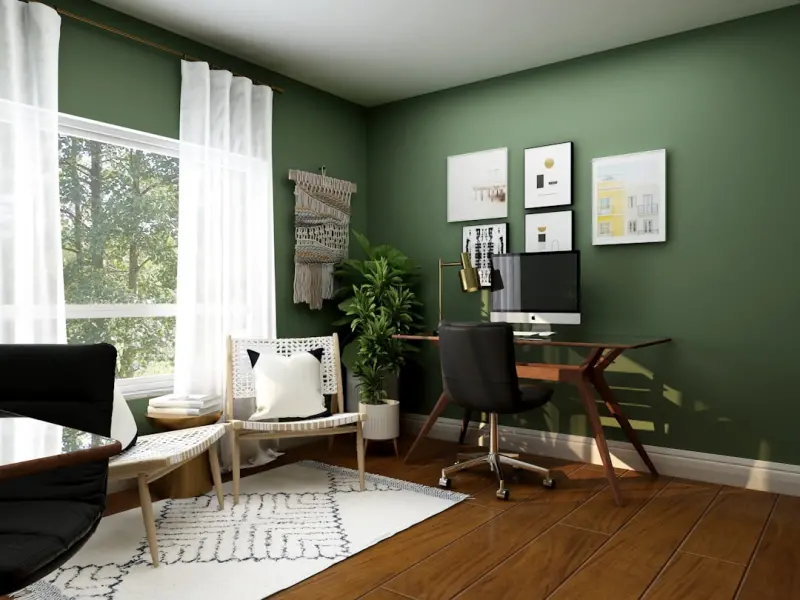
Adaptive Home Office Design: Flexibility, Wellness, and Tech‑Driven Productivity
Discover a fresh approach to home office design that balances modular flexibility, natural elements, and ergonomic technology, turning your workspace into a dyn...Read More
0 Comments
Post Comment
You will need to Login or Register to comment on this post!