

Start with Intentional Space Planning
When I first moved into my downtown loft, the space felt like a blank canvas begging for a personality. I quickly learned that intentional space planning isn’t about fitting more furniture in a room—it’s about creating zones that breathe, adapt, and evolve with your life. Think of your home as a living organism: it should grow, contract, and pivot as your needs change. Begin by mapping out the primary functions each area serves—work, relaxation, nourishment, and play. Sketch a simple floor plan on paper or use a free online tool, then ask yourself three questions: Do I need a dedicated nook for focus? Can a corner double as a reading alcove and a mini‑gym? How will traffic flow between these zones?
Layered Lighting: The Underrated Superpower
Lighting is the silent director of mood, productivity, and even health. Most homeowners rely on a single ceiling fixture, but the real magic lies in layered lighting. Combine ambient, task, and accent lights to give each room a dynamic range. For a home office, pair a warm LED panel (ambient) with an adjustable desk lamp (task) and a soft strip behind your monitor (accent). In the evenings, dim the ambient lights and let the accent glow create a cocoon‑like atmosphere for unwinding.
Don’t forget the color temperature. Cooler light (5000‑6500 K) boosts focus during daytime work, while warmer tones (2700‑3000 K) signal your body to relax after dark. A simple smart bulb that shifts temperature on a schedule can make a world of difference without any expensive rewiring.
Smart Home, Smarter Budget
Tech‑savvy homeowners often think that a “smart home” equals a hefty price tag, but strategic upgrades can actually save money in the long run. Start with a voice‑enabled home hack that leverages the devices you already own. Most smartphones, tablets, and even low‑cost smart speakers support voice assistants like Google Assistant, Alexa, or Siri. By linking these assistants to existing outlets, you can control lights, thermostats, and even appliances without buying a new hub.
Next, audit your energy usage. Replace outdated incandescent bulbs with ENERGY STAR LED equivalents and install smart thermostats that learn your schedule. The initial investment is quickly offset by lower utility bills—often within months. Finally, consider a modest solar power kit for your balcony or roof; even a 200‑watt panel can power a few lights and charge devices, cutting down on grid reliance.
Micro‑Interactions for Everyday Comfort
We’ve all experienced the delight of a button that subtly clicks or a light that fades in just right. These micro‑interactions are tiny moments of feedback that make a space feel thoughtful and alive. In the home, they translate to things like a bathroom faucet that signals when the water reaches your preset temperature, or a drawer that glows gently when you pull it open in a dark hallway.
Integrating these moments doesn’t require a tech degree. Simple tiny UI tricks for smart switches—like a brief vibration when a light turns on or a soft chime when a door locks—create a sense of assurance and delight. Look for products that offer customizable feedback; many smart switches let you choose the tone, color, or vibration strength, allowing you to tailor the experience to your personal taste.
Green Materials: Beauty Meets Sustainability
Eco‑friendly design isn’t a trend; it’s a responsibility. When selecting new furnishings or renovations, prioritize materials that are renewable, reclaimed, or have a low embodied carbon footprint. Bamboo flooring, reclaimed wood tables, and recycled glass countertops are not only aesthetically pleasing but also reduce waste.
Don’t overlook the power of biophilic design—bringing nature inside. A wall of living plants improves air quality, reduces stress, and adds a vibrant splash of color. If space is limited, consider vertical gardens or hanging planters that double as decorative art. Pair these with natural fiber rugs and linen curtains to create a cohesive, earthy vibe.
Adaptive Storage Solutions
Clutter is the silent enemy of calm. The secret to a tidy home lies in storage that adapts to your lifestyle, not the other way around. Modular shelving systems allow you to reconfigure sections as needs change—swap out a bookshelf for a shoe rack in an instant. Under‑bed drawers, ottoman storage, and wall‑mounted hooks keep daily essentials out of sight while staying accessible.
For the kitchen, invest in pull‑out pantry bins and magnetic spice racks that free up countertop space. In the bathroom, use tiered trays and suction‑cup organizers to keep toiletries neat. The goal is to create “homes for things” rather than letting things become homes for you.
Acoustic Comfort: Silence is Golden
Open‑plan layouts are popular, but they often come with a downside—noise bleed. Sound‑absorbing panels, plush rugs, and heavy curtains can dramatically reduce echo and create a quieter environment. If you work from home, consider a portable acoustic screen that you can set up behind your desk during video calls. Even a bookshelf filled with books acts as a natural diffuser, softening harsh reverberations.
Seasonal Flexibility
One of the smartest ways to future‑proof your home is to design spaces that shift with the seasons. Replace heavy winter drapes with lighter, sheer options for summer, and incorporate a set of interchangeable cushion covers that reflect seasonal palettes. In the kitchen, use a countertop that can be swapped out for a cooler stone surface during hot months, providing a tactile reminder of the changing climate.
Outdoor spaces deserve the same attention. A simple pergola with adjustable slats can provide shade in summer and open up for star‑gazing in winter. Adding a portable fire pit or a heated blanket for outdoor seating extends your living area year‑round, turning a patio into a year‑long extension of your home.
Personalized Scent Scapes
Smell is a powerful trigger for memory and mood. Curate a scent strategy by placing subtle diffusers in high‑traffic areas—citrus in the entryway to energize, lavender in the bedroom to promote sleep, and sandalwood in the living room for relaxation. Use essential oil blends that align with your daily rhythms; a quick 5‑minute aroma ritual can reset your mindset as you transition from work to home life.
Mindful Technology Integration
Technology should serve you, not dominate you. Set clear boundaries for digital devices: create a “tech‑free” zone in the bedroom, establish a charging station outside the primary living area, and schedule regular digital detox periods. When you do incorporate tech—like a smart mirror that displays weather or calendar events—ensure it blends seamlessly with the decor, perhaps framed like a traditional artwork.
Lastly, keep a simple “home tech inventory” spreadsheet. List each device, its purpose, and its power draw. This habit not only helps you troubleshoot issues quickly but also reveals opportunities to consolidate or eliminate redundant gadgets, keeping your home streamlined and efficient.
Conclusion: The Home as a Living Canvas
Future‑proofing isn’t about chasing the newest gadget; it’s about building a foundation that can adapt, breathe, and nurture you as life evolves. By starting with intentional space planning, layering thoughtful lighting, embracing smart yet affordable tech, and weaving sustainability into every choice, you create a home that feels both timeless and cutting‑edge. Remember, the most powerful upgrades are often the smallest—those micro‑interactions, the scent of a favorite candle, the gentle hum of a well‑placed fan. When each element works in harmony, your home becomes a living canvas—ready for today’s challenges and tomorrow’s possibilities.

Steph Sanderson is a Toronto-based freelance writer and content creator with a clear passion: crafting compelling articles. With a dedication to clear, engaging prose and a knack for storytelling, Steph brings a wealth of experience to every project.
Related Posts

The Secret to a Calm, Clutter-Free Home That Actually Works
Learn how to transform your home into a tranquil, organized sanctuary using simple habits like the o... Read More
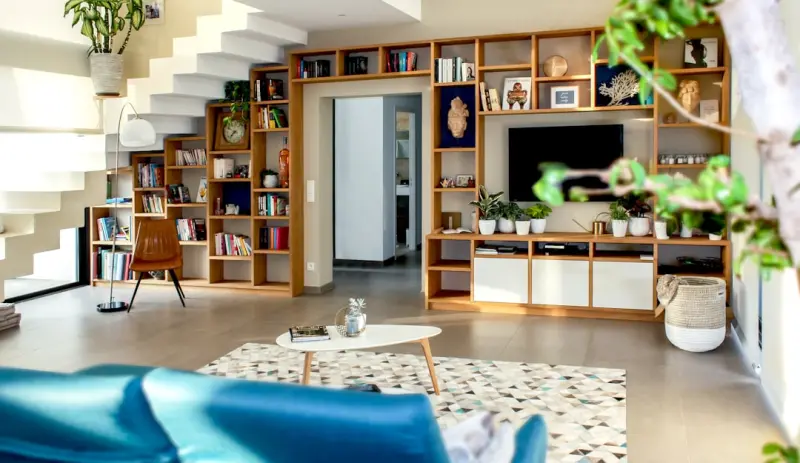
Smart, Sustainable Home Hacks for the Modern Household
Explore a collection of actionable, budget‑friendly home tips—from micro‑organizing sprints an... Read More
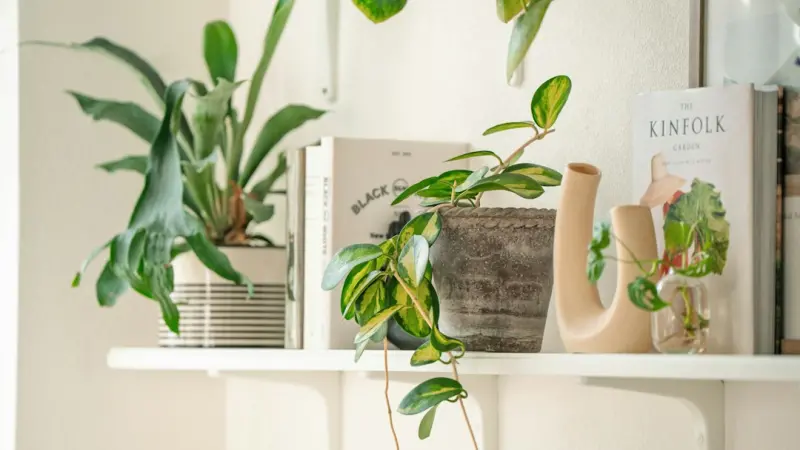
Creating a Home Sanctuary: 10 Unexpected Tips for Everyday Comfort
Learn ten unexpected, low‑effort strategies—from transition zones at the door to micro‑pause c... Read More
Top Posts

Embracing Sustainable Living as a Senior: A Journey to a Greener Tomorrow
As seniors, we have a unique opportunity to make a positive impact on the world around us. By embracing sustainable living, we can create a healthier, happier, ...Read More

Microinteractions Mastery: Elevating User Delight in Modern Web Design
Explore the power of tiny UI animations, from design principles to performance tips, and learn how they can turn ordinary clicks into memorable moments....Read More

When AI-Generated Scams Slip Into the Boardroom
AI‑generated scams, from deepfake videos to synthetic identities, are targeting enterprises like never before. This article uncovers the new threat landscape,...Read More

Home as Neighborhood: Remote Work’s Ripple on Urban Life
Remote work is redefining urban social dynamics, turning streets and local cafés into extensions of our professional lives. This post examines the rise of neig...Read More
0 Comments
Post Comment
You will need to Login or Register to comment on this post!