
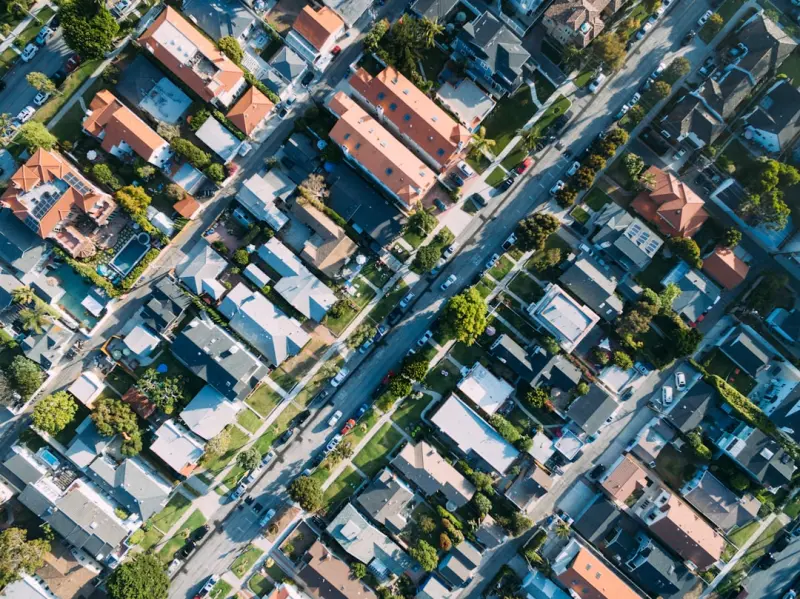
The Unexpected Social Shift: From Office Cubes to Community Corridors
When the pandemic forced millions of professionals out of the traditional office and into their living rooms, many expected the change to be temporary—a brief detour on the road to returning “to normal.” What unfolded instead was a profound re‑configuration of how we experience, negotiate, and even design our urban neighborhoods. Remote work isn’t just a new way to get tasks done; it’s a catalyst that is quietly reshaping the social fabric of cities.
Why the Physical Office Was More Than a Desk
Before the shift, the office served as a daily hub of incidental interaction: coffee‑line chats, spontaneous brainstorming sessions, and the shared rhythm of lunch breaks. These moments, while seemingly trivial, cultivated a sense of belonging that extended beyond project deliverables. Sociologists call this “social capital” – the network of relationships that fosters trust, reciprocity, and collective efficacy.
When those walls disappeared, the immediate loss of this built‑in social capital was palpable. Yet, as remote teams adapted, new forms of capital began to emerge—digital‑first collaborations, virtual coffee rooms, and most intriguingly, a re‑orientation of social life toward the immediate geography of the home.
From Private Homes to Public Front Porches
With commutes evaporated, people reclaimed hours that were once spent in transit. Many chose to spend that reclaimed time walking, biking, or simply lingering in their own neighborhoods. The result? A resurgence of “front‑porch culture” – casual conversations between strangers on sidewalks, impromptu block parties, and a renewed appreciation for local cafés and parks.
These micro‑interactions are doing the work that office water coolers once did: they create moments of shared experience that knit neighbors together. As one community organizer in a mid‑size city put it, “We’re seeing the same street that used to be a blur of cars become a living room for the block.”
Co‑Working Spaces as New Neighborhood Anchors
While many employees continue to work from home, a growing segment opts for hybrid models that blend remote days with occasional visits to co‑working hubs. These spaces have evolved beyond mere desks; they now act as third‑places—neither home nor office—where freelancers, entrepreneurs, and corporate employees intersect.
Co‑working venues are strategically locating themselves in underutilized storefronts, community centers, and even repurposed libraries. By doing so, they inject foot traffic into neighborhoods that might otherwise see a decline in daytime activity. The ripple effect includes higher patronage for nearby eateries, a boost to local retailers, and a subtle yet powerful reinforcement of community cohesion.
Digital Infrastructure Meets Neighborhood Sustainability
Remote work has forced companies to rethink the environmental impact of their digital ecosystems. The push for greener, more efficient tech stacks dovetails nicely with the desire for sustainable neighborhoods. For example, organizations that adopt an eco‑friendly digital setup often pair it with policies encouraging employees to use public transit, bike, or walk when they need to leave the house.
Such policies have a two‑fold benefit: they reduce the carbon footprint of corporate IT while simultaneously encouraging healthier, more community‑oriented commuting habits. The result is a virtuous cycle where technology, sustainability, and social interaction reinforce each other.
The Role of No‑Code Tools in Democratizing Community Projects
One of the most exciting developments in the remote‑work era is the democratization of software creation. Teams no longer need a full‑stack developer to build a simple app that solves a neighborhood problem—be it a shared parking tracker, a volunteer sign‑up sheet, or a hyper‑local news feed. Platforms that offer a no‑code collaboration toolkit enable civic-minded employees to prototype and launch community‑focused solutions in days rather than months.
This empowerment is already bearing fruit. In one suburb, a group of remote engineers built a lightweight platform that coordinates neighborhood tool‑sharing, dramatically reducing the need for each household to purchase rarely used equipment. In another city, a small team of marketers created a volunteer‑matching app that paired local nonprofits with remote volunteers willing to contribute a few hours per week. These grassroots digital interventions are stitching new layers of social capital into the urban fabric.
Redefining Public Spaces Through Remote‑Work Lenses
Urban planners have taken note of the shifting patterns of foot traffic and daytime activity. Parks that were once primarily evening destinations are now bustling with lunchtime yoga classes, pop‑up art installations, and informal business meetings. Streets are being re‑imagined as “slow lanes” for cyclists and pedestrians, encouraging spontaneous encounters that would have been impossible when rush‑hour traffic dominated.
Municipalities are also experimenting with “flex‑use” zoning, allowing commercial spaces to double as community centers after hours. The underlying idea is simple: if people are already spending more time in their neighborhoods, the built environment should accommodate a richer mix of social functions.
Challenges: Loneliness, Inequality, and Digital Overload
It would be disingenuous to paint the remote‑work transformation as uniformly positive. The dissolution of a centralized office can exacerbate feelings of isolation for those lacking strong local networks. Moreover, not all neighborhoods have equal access to high‑speed internet, safe sidewalks, or affordable co‑working spaces, widening the gap between affluent districts and underserved areas.
Companies can mitigate these challenges by adopting intentional policies: subsidizing broadband for remote employees, offering stipends for coworking memberships, and encouraging teams to schedule regular virtual “water cooler” moments. On a municipal level, investing in broadband infrastructure and public Wi‑Fi hotspots ensures that the benefits of remote work are more evenly distributed.
Looking Ahead: A Hybrid Social Blueprint
As we settle into a post‑pandemic world, the most sustainable model appears to be hybrid—mixing the flexibility of remote work with the relational richness of in‑person interaction. This hybrid approach will likely cement new social norms:
- Localized networking: Professionals will increasingly seek out neighborhood‑based events, from pop‑up meetups in community gardens to skill‑swap sessions in local libraries.
- Shared resources: The rise of tool‑libraries, car‑share programs, and community‑grown food initiatives will be amplified by remote workers who have the time and motivation to participate.
- Digital‑first civic engagement: Platforms built with no‑code tools will empower residents to propose, vote on, and implement micro‑projects that directly improve their streets.
- Eco‑conscious work habits: Companies will continue to champion greener digital practices, aligning remote‑work policies with broader sustainability goals.
These trends suggest that the future of urban society will be less about where you work and more about how you engage with the space around you. The office may have been the old “third place,” but the neighborhood is swiftly stepping into that role, enriched by digital tools and a collective desire for more meaningful connection.
Action Steps for Individuals, Companies, and Cities
For individuals: Take advantage of the extra time you’ve gained. Walk to a nearby park, join a local community board, or volunteer for a neighborhood clean‑up. Small, consistent actions accumulate into stronger social bonds.
For companies: Offer flexible stipends for coworking memberships, invest in secure, sustainable digital infrastructure, and encourage teams to schedule regular “local engagement” days where employees meet in person within their neighborhoods.
For city leaders: Prioritize broadband expansion, create incentives for mixed‑use developments, and partner with local businesses to turn public spaces into vibrant, multi‑purpose hubs.
When all three layers—people, organizations, and municipalities—move in concert, the ripple effect of remote work can transform urban neighborhoods from isolated pockets into thriving ecosystems of shared purpose.
Conclusion: The Neighborhood as the New Workplace Community
The narrative that remote work isolates us is losing its grip. Instead, we are witnessing a re‑balancing act where the boundaries between professional and personal life blur in service of richer, more grounded community experiences. By embracing the opportunities presented by flexible work arrangements, we can turn our streets, parks, and local cafés into extensions of our collaborative spaces, fostering a society that values both productivity and human connection.

Jessica Gills is a freelance writer carving a niche for herself by empowering others through her words. With a focus on careers, self-development, and business, she helps readers navigate the complexities of the modern professional landscape.
Related Posts

Society’s Green Pulse: How Everyday Choices Are Re‑Writing the Future
Jimmy Anand reveals how simple, daily choices—from eco‑friendly gaming to greener websites—are... Read More
The Renaissance of Community Hubs: Reimagining Public Spaces for Modern Society
A fresh look at how adaptable, inclusive public spaces can restore spontaneous social connections, b... Read More

Reimagining Community Trust Through Timebanks
Timebanks turn hours into community currency, fostering trust, skill exchange, and resilience. Learn... Read More
Top Posts

Green Clean Hacks for Renters & Shared Spaces
Discover sustainable cleaning solutions tailored for renters and shared living, featuring reusable tools, multi‑surface DIY cleaners, smart appliance integrat...Read More

Google’s Generative AI Wave: Transforming Everyday Tools
Discover how Google’s generative AI is revamping Docs, Slides, Maps, and admin tools, offering new productivity boosts, SEO tactics, and ethical safeguards fo...Read More
The Power of Networking in Sustainability: A Key to Unlocking a Greener Future
Networking plays a crucial role in creating a better future for our planet. By building connections with like-minded individuals and organizations, we can share...Read More

From Broadcast to Conversation: Reinventing Email Marketing for Real Engagement
Learn the fresh strategies that turn email from a noisy megaphone into an intimate dialogue, boosting opens, clicks, and long‑term loyalty....Read More
0 Comments
Post Comment
You will need to Login or Register to comment on this post!