
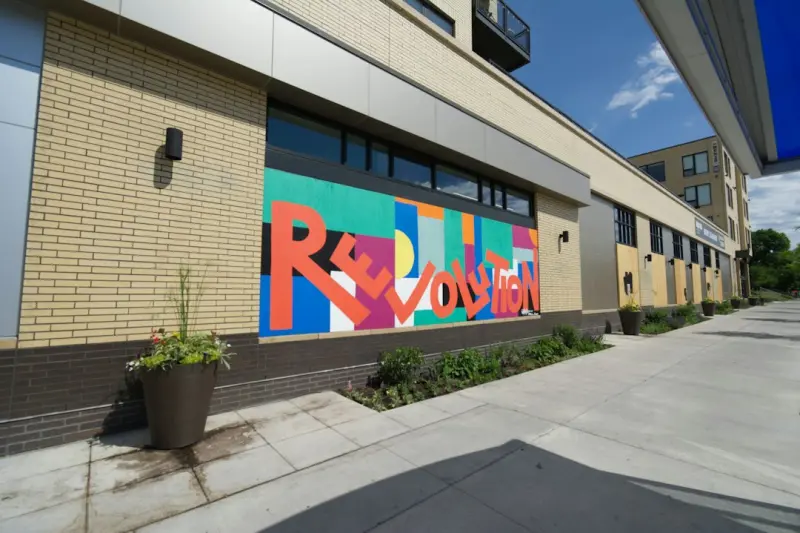
Why Public Spaces Need a Renaissance
Walking through a bustling city square today feels like stepping onto a stage where the script is constantly being rewritten. Once‑the‑go‑to backdrop for spontaneous conversation, street performances, and civic protest, many of our plazas, parks, and community rooms have become quiet corridors of transit. The pandemic accelerated this shift, turning vibrant gathering spots into under‑utilized corridors marked by social distancing signs and temporary closures. As we emerge into a world where remote work and digital interaction dominate daily life, a pressing question surfaces: how can we breathe new life into the physical spaces that knit our societies together?
The Social Fabric Is Fraying—And It’s Not Just About Distance
Beyond the obvious health concerns, the retreat from shared environments has revealed a deeper, structural issue: a weakening of the social glue that binds neighborhoods. Studies show that regular, low‑stakes encounters—chatting with a neighbor over a garden fence, sharing a bench with a stranger—play a crucial role in building trust and empathy. When those moments disappear, feelings of isolation rise, and community resilience erodes. This isn’t a call to revert to pre‑digital habits; rather, it’s an invitation to design public spaces that complement our online lives while restoring the tactile, spontaneous connections we’ve lost.
Designing for Human‑Scale Interaction
One emerging philosophy that offers a roadmap is the shift toward human‑centered digital experiences. While originally coined for web design, the underlying principle—that technology should adapt to the user’s mental bandwidth—translates beautifully to physical environments. Imagine a park bench that subtly adjusts its angle based on the sun’s position, or a fountain that slows its flow during peak foot traffic to create calmer pockets for conversation. When design respects the natural rhythms of its users, it encourages lingering, sharing, and the serendipitous encounters that are the lifeblood of community.
From One‑Size‑Fits‑All to Adaptive Hubs
Traditional public spaces were often conceived with a singular purpose—think of a city square built solely for markets or a park designed exclusively for passive recreation. The modern renaissance calls for adaptive hubs that can morph throughout the day. During morning commutes, a plaza might serve as a quick coffee stop with pop‑up kiosks; by afternoon, the same area could transform into an outdoor classroom for local schools; and in the evening, it could host a low‑key music series or a night market. Flexibility not only maximizes utility but also invites a broader cross‑section of citizens to claim the space as their own.
Technology as an Enabler, Not a Replacement
It’s tempting to think that the solution lies entirely in bricks and mortar, but technology can act as a subtle catalyst for richer social interaction. Sensors that monitor crowd density (used responsibly and anonymized) can inform real‑time adjustments to lighting, sound levels, or even seating arrangements, ensuring the environment remains welcoming without feeling invasive. Moreover, digital signage can display community‑generated content—local art, announcements, or crowd‑sourced playlists—creating a feedback loop where citizens actively shape the ambience of their shared spaces.
Inclusivity at the Core
Revitalized community hubs must be designed for everyone, regardless of age, ability, or socioeconomic status. This means integrating features like tactile paving for the visually impaired, wheelchair‑accessible pathways, multilingual information boards, and shaded areas for those who cannot tolerate extreme heat. When a space feels inclusive, it sends a powerful message: this is a place for you. That psychological safety fosters participation, and participation fuels the organic growth of community culture.
Economic Ripple Effects
Reimagined public spaces don’t just nurture social well‑being; they also stimulate local economies. Small vendors, artisans, and pop‑up startups thrive when given a flexible, low‑cost venue to showcase their work. A well‑designed plaza can become a catalyst for foot traffic, encouraging nearby businesses to flourish. Over time, the increased vibrancy can raise property values, attract new residents, and even inspire municipal investment in further infrastructure upgrades. The social return on investment becomes a virtuous cycle of prosperity and cohesion.
Learning from Successful Experiments
Several cities have already begun experimenting with adaptable public realms. In one European capital, a former parking lot was converted into a modular “living lab,” where movable timber structures, pop‑up gardens, and interactive art installations appear on a rotating schedule. Residents voted via a mobile app on what should occupy each slot, giving the community a direct hand in curating their environment. The project reported a 35% increase in foot traffic and a measurable boost in residents’ sense of belonging.
Community‑Driven Governance
One of the most powerful levers for sustaining these spaces is shared governance. When local councils invite residents to co‑manage budgets, maintenance schedules, and programming, the resulting sense of ownership can dramatically reduce vandalism and neglect. Digital platforms that facilitate transparent budgeting, voting on programming, and volunteer sign‑ups can streamline this process without overwhelming participants. The key is simplicity: tools should amplify, not replace, face‑to‑face dialogue.
The Role of Narrative in Place‑Making
Every successful public space tells a story—about its history, its people, and its aspirations. Incorporating storytelling elements—murals that depict local legends, benches engraved with community quotes, or interactive timelines that trace neighborhood milestones—creates an emotional anchor. When people see their collective narrative reflected in stone and steel, they feel compelled to protect and perpetuate it. This narrative layer adds depth that pure functionality can’t achieve.
Measuring Success Beyond Footfall
While traditional metrics focus on visitor counts, a renaissance of community hubs demands richer data points: the frequency of repeat visits, the diversity of users, the number of spontaneous interactions reported, and even qualitative feedback on feelings of safety and belonging. Surveys, observation studies, and participatory workshops can capture these insights. Over time, these metrics help fine‑tune design interventions, ensuring the space continues to evolve with its community.
Future‑Proofing Through Sustainable Design
Environmental stewardship must be woven into the fabric of any modern public space. Green roofs, rain gardens, and solar‑powered lighting not only reduce ecological impact but also serve as educational tools. When citizens can see the tangible benefits of sustainability—like a storm‑water basin turning into a seasonal wetland—they become ambassadors for broader environmental initiatives. A resilient, eco‑friendly hub signals a forward‑thinking community that cares for both people and planet.
How to Get Started in Your Neighborhood
If you’re inspired to champion a community hub transformation, start small. Gather a core group of neighbors, map existing assets, and identify underutilized parcels—perhaps a vacant lot, an overlooked alley, or a dormant courtyard. Conduct a listening tour to surface needs and desires, then collaborate with local officials to secure permits and modest funding. Leverage existing resources like conversational interfaces to keep residents informed and involved throughout the process. Remember, the most impactful change often begins with a single conversation over a coffee table.

Karen Edwards is a seasoned freelance writer with a passion for all things furry, feathered, and scaled. With a dedicated focus on pets, she brings a wealth of knowledge and a keen eye for detail to her writing.
Related Posts

Data Cooperatives: Reclaiming Power and Privacy for the Digital Age
Data cooperatives offer a fresh way to turn personal data into a shared asset, ensuring privacy, fai... Read More

Time Banking: Trading Hours for Community Capital
Explore the rise of time banking—where one hour of help equals one hour of support—showcasing it... Read More
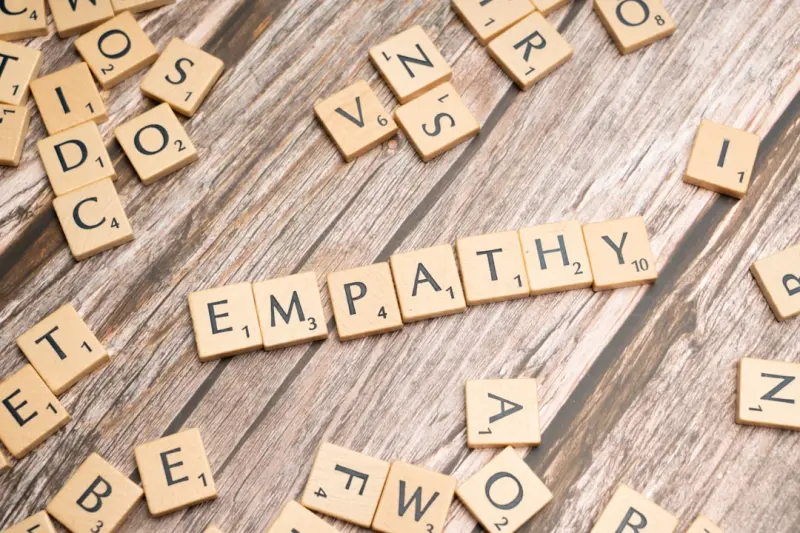
The Quiet Revolution of Digital Empathy: Re‑imagining Social Bonds in a Hyper‑Connected World
A deep dive into how embedding empathy into digital platforms can revive genuine community ties, fro... Read More
Top Posts

The Gift Revolution: Turning Thoughtful Surprises into Workplace Power Moves
A deep dive into why strategic gifting—rooted in sustainability, data insights, and personal storytelling—has become a powerful tool for boosting morale, re...Read More

Online Safety in 2024: Tyler Johnson’s Sustainable Blueprint for a Secure Digital Life
Tyler Johnson shares a sustainable, human‑focused approach to online safety in 2024, blending AI‑driven defenses, mindful habits, and eco‑friendly tech ch...Read More

Why Green Is the New Viral: Social Media Marketing Trends Shaping 2026
Discover how eco‑focused storytelling, algorithm boosts, and green influencer partnerships are redefining social media marketing in 2026....Read More
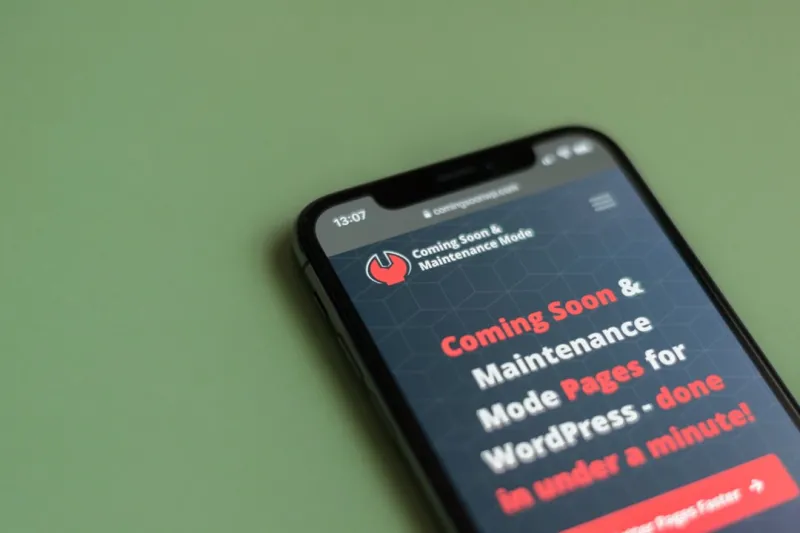
Sustainable Plugins: The Secret Sauce for WordPress in 2026
A deep dive into why sustainable plugins matter, how to choose and optimize them, and the emerging trends that will keep your WordPress site fast, green, and fu...Read More
0 Comments
Post Comment
You will need to Login or Register to comment on this post!