
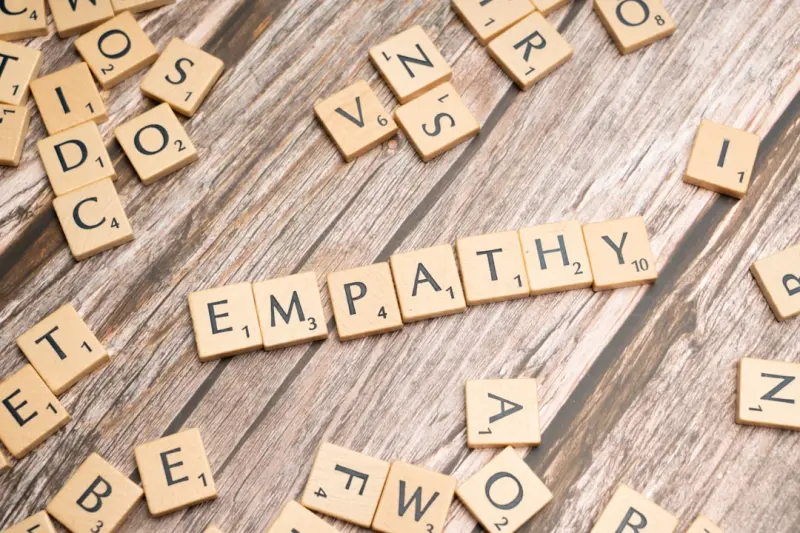
The Quiet Revolution of Digital Empathy: Re‑imagining Social Bonds in a Hyper‑Connected World
When I first stepped into a coworking space in downtown Seattle, I expected the usual hum of laptops, the clatter of coffee cups, and the occasional chat about weekend hikes. What surprised me was the palpable sense of isolation despite the room being packed. People were physically together, yet each was glued to a screen, scrolling through feeds that promised connection but delivered echo chambers.
It struck me that we’re at a crossroads: technology has given us unprecedented reach, but it has also frayed the fabric of everyday community. The question isn’t whether we’ll continue to rely on digital tools—it’s how we can infuse those tools with empathy to rebuild the social glue that once held neighborhoods, offices, and coffee shops together.
Why Empathy Needs a Digital Upgrade
Empathy, the ability to understand and share the feelings of another, has traditionally been cultivated through face‑to‑face interaction, shared experiences, and the subtle cues of body language. In a world where remote work, virtual events, and algorithm‑driven content dominate, those cues are muted or filtered out entirely.
Our brains are wired for social reciprocity. When that reciprocity is interrupted, we experience a drop in social dopamine—the chemical reward we get from genuine human connection. The result? A rise in loneliness, anxiety, and a growing mistrust of the platforms that claim to connect us.
To counteract this, we need to treat empathy not as a soft skill but as a core feature of digital design—a digital empathy layer that sits beneath the user interface, guiding interactions toward understanding rather than mere transaction.
From Transactional to Relational: Rethinking Platform Design
Most platforms today prioritize efficiency and engagement metrics. The success of a social feed is measured in clicks, likes, and time‑on‑site. Yet these metrics often reward sensational content that fuels division rather than dialogue.
Imagine a redesign where the algorithm isn’t just a content sorter but a personalized empathy engine. Instead of showing you the next viral meme, it surfaces stories from people who share your interests, challenges, or even your local community. It could highlight a neighbor’s small business, a local volunteer opportunity, or a thread where users discuss coping with remote‑work fatigue.
Such a shift would require:
- Contextual Signals: Going beyond likes and shares to understand sentiment, tone, and the emotional weight behind a post.
- Human‑Centric Feedback Loops: Allowing users to flag content that feels disingenuous or overly aggressive, feeding this back into the algorithm.
- Transparent Moderation: Clearly communicating why certain content is promoted, fostering trust in the platform’s intentions.
The Role of Community‑Focused Features
Platforms that empower small, localized communities already provide a glimpse of what’s possible. Neighborhood groups on social media, city‑wide volunteer portals, and micro‑forums for niche hobbies have shown higher engagement rates because members feel a personal stake.
Scaling this model involves:
- Geofencing Content: Delivering relevant updates based on a user’s location—like a pop‑up notice about a community garden clean‑up happening this weekend.
- Shared Goals: Enabling groups to set collective targets (e.g., “reduce local plastic waste by 20%”) and tracking progress publicly.
- Celebrating Micro‑Wins: Highlighting individual contributions to reinforce a sense of belonging.
When people see that their digital actions have tangible, localized impact, the abstract nature of online interaction becomes more concrete and rewarding.
Co‑Living Experiments Offer a Blueprint
One of the most compelling illustrations of intentional community building is the rise of co‑living experiments. While the concept isn’t new, its modern iteration blends shared living spaces with curated digital ecosystems that foster collaboration, learning, and mutual support.
In these environments, technology isn’t a distraction—it’s a facilitator. Residents use shared apps to coordinate meals, manage communal resources, and even co‑create cultural events. The digital layer amplifies the physical proximity, turning casual encounters into deeper relationships.
The lesson for broader society is clear: when technology is deliberately aligned with communal values, it can enhance—not erode—social cohesion.
Digital Empathy in the Workplace
Remote work has become the default for many industries, and with it comes a paradox: teams are more “available” than ever but also more disconnected. Traditional HR tools focus on productivity dashboards and performance metrics, often overlooking the human side of collaboration.
A digitally empathetic workplace could incorporate:
- Emotion‑Aware Check‑Ins: Brief pulse surveys that capture mood, stress levels, and personal milestones, feeding into manager dashboards that highlight well‑being trends.
- Virtual Watercooler Spaces: Low‑stakes chat rooms where employees share non‑work topics, curated by algorithms that match interests without forcing exposure to work‑related stressors.
- Peer‑Recognition Loops: Systems that surface moments of kindness, collaboration, or mentorship, reinforcing a culture of appreciation.
When employees feel seen and heard, the hidden costs of remote fatigue—burnout, turnover, disengagement—decline dramatically.
Education: Teaching Empathy at Scale
Schools are experimenting with AI‑driven simulations that place students in the shoes of others—refugees, people with disabilities, or individuals from different socioeconomic backgrounds. These tools can spark empathy, but they risk becoming “learning modules” if not integrated into ongoing dialogue.
To maximize impact, educators should:
- Facilitate Reflective Discussions: After a simulation, guide students to share feelings, challenge assumptions, and propose real‑world actions.
- Connect Classroom Experiences to Community Projects: Pair digital empathy exercises with local volunteer work, bridging virtual understanding and physical action.
- Leverage Peer Feedback: Use collaborative platforms where students can give constructive, compassionate feedback to each other’s reflections.
This approach ensures empathy isn’t a fleeting buzzword but a lived practice.
Measuring the Impact of Digital Empathy
Metrics matter. To demonstrate the value of empathy‑focused features, platforms can track:
- Engagement Quality: Time spent on community‑oriented content versus purely entertainment‑driven content.
- Sentiment Shifts: Using natural language processing to gauge the overall tone of user interactions over time.
- Retention Linked to Social Bonds: Correlating user retention with participation in localized groups or community challenges.
When data shows that empathetic design drives deeper, longer‑lasting connections, it becomes a compelling business case for stakeholders who might otherwise prioritize short‑term clicks.
Practical Steps for Individuals
Even if you’re not a product manager or a community organizer, you can champion digital empathy in everyday life:
- Curate Your Feed: Follow creators and groups that prioritize thoughtful discourse over sensationalism.
- Engage Authentically: Comment with genuine curiosity, ask open‑ended questions, and avoid knee‑jerk reactions.
- Share Local Stories: Highlight community events, local businesses, or personal anecdotes that foster a sense of place.
- Practice Digital Kindness: When you see a heated thread, step in with a calm, respectful perspective rather than adding fuel to the fire.
Collectively, these small actions can shift the algorithmic tide toward a more compassionate digital ecosystem.
The Future of Society: Empathy‑Driven Networks
We stand at a pivotal moment where the architecture of our digital lives can either deepen societal fractures or stitch them back together. By embedding empathy into the very code that powers our platforms, we create a feedback loop where humane interaction begets more humane interaction.
This isn’t a utopian fantasy; it’s a concrete design challenge. It calls for technologists to collaborate with sociologists, for product teams to partner with community leaders, and for every user to become an advocate for kindness.
When we succeed, the “quiet revolution” won’t be about turning off our devices—it’ll be about turning on our capacity to listen, understand, and act together, both online and off.

In the world of freelance writing, where creativity and adaptability are paramount, Michelle Fisher stands out as a dedicated and versatile professional. With a passion for crafting compelling narratives and a keen eye for detail, Michelle has established herself as a trusted voice.
Related Posts

Reimagining Public Spaces: Community Hubs as Antidotes to Urban Loneliness
A fresh look at how multifunctional community hubs can mend the social fabric of cities, offering in... Read More

Micro‑Communities: The Quiet Force Redefining Urban Belonging
Discover the rise of micro‑communities—small, intentional groups that foster deeper connections,... Read More

Why Co‑Living Is the Next Social Renaissance
Co‑living blends shared purpose, design, and technology to create vibrant, community‑first homes... Read More
Top Posts

When the Con Artists Get Clever: Decoding the New Wave of Digital Scams
Scammers now blend AI, privacy‑first design, and subscription tactics to create sophisticated fraud. This article unpacks the psychology behind these scams an...Read More

Google’s Generative AI Wave: Transforming Everyday Tools
Discover how Google’s generative AI is revamping Docs, Slides, Maps, and admin tools, offering new productivity boosts, SEO tactics, and ethical safeguards fo...Read More
The Hidden Power of Your Daily Rhythm Over Gym Hours
A deep dive into how respecting your circadian rhythm, timing meals, and incorporating micro‑pauses can transform health, productivity, and sleep—no fancy e...Read More

Micro-Communities: The Secret Engine Behind Authentic Social Engagement
Micro-communities are redefining social media by fostering tight‑knit groups where authentic dialogue thrives, giving brands a new path to meaningful engageme...Read More
0 Comments
Post Comment
You will need to Login or Register to comment on this post!