

Urban Loneliness: A Growing Quiet Crisis
Across bustling metropolises, a paradoxical quiet is settling in the hearts of millions, as skyscrapers and Wi‑Fi signals mask a deepening sense of isolation that traditional metrics of economic growth simply cannot quantify, and this silent epidemic—urban loneliness—has begun to surface in public health reports, workplace productivity studies, and even in the way people navigate their daily commutes, prompting city planners and social innovators to ask whether the concrete jungle can be reshaped into a more human‑centric ecosystem. In response, a new wave of thinkers is championing the revival of community hubs—multifunctional public spaces that blend libraries, maker labs, cafés, and childcare into one welcoming nucleus—hoping that the intentional design of shared environments will stitch together the frayed social fabric and restore a sense of belonging that digital screens have eroded.
The Data Behind the Disconnection
Recent surveys from metropolitan health departments reveal that one in three city dwellers report feeling “lonely often,” a statistic that correlates with higher rates of anxiety, depression, and even cardiovascular disease, suggesting that the cost of social isolation extends far beyond emotional discomfort and into tangible fiscal burdens on healthcare systems; meanwhile, longitudinal studies tracking social interaction patterns demonstrate that neighborhoods with accessible public gathering spots see a 12 % increase in resident‑reported happiness scores compared to districts lacking such amenities, underscoring the measurable power of place‑based connection. Moreover, economists note that areas anchored by vibrant community hubs experience a modest boost in local commerce, as residents are more likely to frequent nearby shops and services when they regularly converge in a shared, welcoming environment, creating a virtuous cycle where social well‑being fuels economic vitality.
From Town Squares to Modern Hubs: A Historical Lens
Historically, the town square served as the beating heart of civic life, a place where markets, festivals, political discourse, and spontaneous encounters coexisted, fostering a sense of collective identity that modern planners have largely forgotten amid zoning codes and car‑centric development; the erosion of these communal arteries coincided with the rise of suburban sprawl, where private front doors replaced public porches and personal vehicles supplanted pedestrian pathways, gradually relegating spontaneous social interaction to the periphery of daily routines. Yet the recent resurgence of “third places”—neutral grounds that are neither home nor work—signals a cultural yearning to reclaim the spontaneous, low‑stakes interactions that once defined neighborhoods, prompting architects to reinterpret the old square’s ethos through contemporary lenses such as pop‑up gardens, co‑working libraries, and intergenerational activity rooms.
Defining the Modern Community Hub
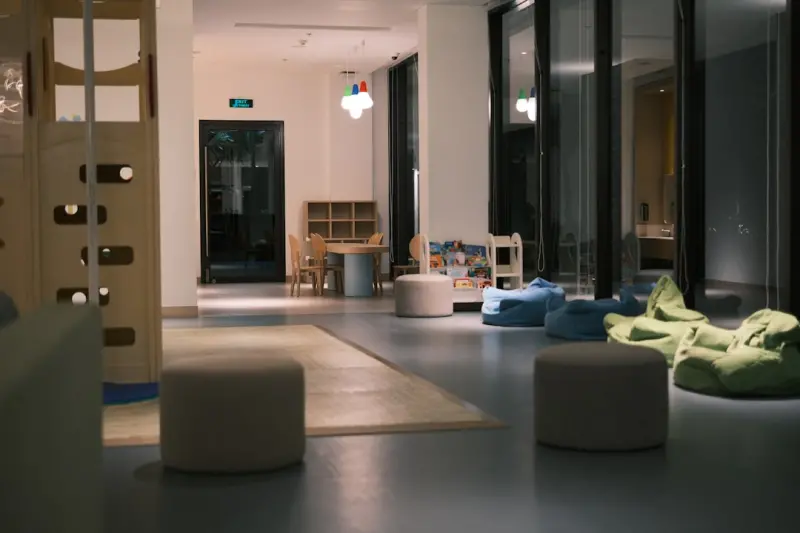
A contemporary community hub is deliberately multi‑purpose, designed to accommodate a spectrum of activities—from quiet reading and collaborative workshops to pop‑up performances and shared meals—while remaining flexible enough to evolve with shifting demographic needs, thereby ensuring that the space does not become a static monument but a living organism that reflects the pulse of its surrounding populace; crucial to this adaptability is the integration of inclusive design principles that welcome individuals of all ages, abilities, and cultural backgrounds, fostering an environment where the act of simply being present becomes a catalyst for connection. By embedding amenities such as free Wi‑Fi, adaptable furniture, and child‑friendly zones, hubs create low‑threshold entry points that invite both the introverted and the extroverted to participate on their own terms, gradually weaving a tapestry of micro‑interactions that collectively counteract the isolation endemic to modern urban life.
Design Principles That Nurture Belonging
Effective hub design rests on three pillars: accessibility, visibility, and programmability; first, locations should be situated within walking distance of residential clusters and transit hubs, with barrier‑free entrances that comply with universal design standards, ensuring that the space feels inviting rather than exclusive, while strategic placement of large windows and open façades enhances visual connectivity, allowing passersby to glimpse activity inside and feel drawn to join. Second, the interior layout must balance defined zones—such as quiet study alcoves, collaborative worktables, and communal kitchens—with fluid, reconfigurable elements that can be rearranged for workshops, art exhibitions, or pop‑up markets, thereby supporting a dynamic calendar of events that reflects community interests. Finally, programming should be co‑created with local residents, leveraging surveys, town‑hall meetings, and digital platforms to curate offerings that resonate culturally, from language exchange circles to intergenerational storytelling sessions, ensuring that the hub remains a true reflection of its community’s evolving narrative.
Case Study: Intergenerational Co‑Living Meets Public Space
In the riverfront district of a midsized city, a former industrial warehouse was transformed into a hybrid hub that couples intergenerational co‑living units with a publicly accessible commons, illustrating how residential and civic functions can synergize to combat loneliness; the project’s architects collaborated with local NGOs to allocate the ground floor for a free‑access library, maker studio, and café, while the upper floors house mixed‑age households who volunteer as mentors, tutors, and event organizers, creating a seamless flow of knowledge and companionship across age groups. This model echoes the principles highlighted in intergenerational co‑living, demonstrating that when private dwellings open their doors to communal programming, the resulting social elasticity not only reduces feelings of isolation among seniors but also enriches the lives of younger families who gain informal support networks and role models within arm’s reach.
Technology as a Bridge, Not a Barrier
While digital platforms have been blamed for fostering isolation, they can also serve as powerful tools to amplify the reach and relevance of community hubs, provided that technology is leveraged to complement—rather than replace—face‑to‑face interaction; mobile apps that aggregate real‑time event calendars, allow residents to reserve workstations, or solicit feedback on programming can lower the friction of participation, while interactive digital displays within the hub can showcase local art, announce neighborhood news, and highlight volunteer opportunities, turning the space into an informational conduit that encourages spontaneous engagement. Moreover, insights from the shift to remote work reveal a growing appetite for flexible, satellite gathering spots where dispersed teams can meet, as discussed in remote work’s impact on social fabric, suggesting that hubs can double as satellite offices, thereby weaving professional collaboration into the broader tapestry of community life.
Policy, Funding, and Community‑First Learning
To scale the hub model, municipal governments must adopt policies that prioritize funding for multi‑use public spaces, streamline zoning approvals for adaptive reuse projects, and incentivize private‑public partnerships that pool resources and expertise, ensuring that financial barriers do not stifle grassroots initiatives; grant programs focused on social cohesion should explicitly require community co‑design components, fostering a sense of ownership that sustains long‑term engagement, while tax incentives for businesses that sponsor programming can create a virtuous loop of investment and participation. Educational institutions also have a role to play, as integrating hub‑based learning experiences into curricula aligns with the vision presented in community‑first learning, where classrooms extend beyond four walls and students collaborate with neighbors on real‑world projects, reinforcing the hub’s position as an incubator for both social and intellectual growth.
Conclusion: Reweaving the Social Tapestry
The resurgence of community hubs offers a pragmatic, heart‑centered response to the silent spread of urban loneliness, inviting city dwellers to step out of isolated digital bubbles and into spaces where shared meals, collaborative creation, and spontaneous conversation become everyday rituals that knit individuals into a cohesive whole; by grounding design in accessibility, flexibility, and co‑created programming, and by harnessing technology as an enabler rather than a substitute, these hubs can evolve into resilient ecosystems that adapt to shifting societal trends while preserving the timeless human need for belonging. As municipalities, designers, and citizens collectively reimagine the role of public space, the promise of a more connected, compassionate urban future moves from idealistic vision to tangible reality, one welcoming doorway at a time.

Mei Chen is a dynamic professional who brings a unique blend of skills to Blogging Fusion. As a key contributor to the Blogging Fusion platform, she leverages her writing expertise to create engaging content that resonates with our audience.
Related Posts

How Remote Work is Redefining Our Social Fabric
Remote work is forging fresh social rituals, reviving local communities, and blending global connect... Read More

The Quiet Revolution of Digital Empathy: Re‑imagining Social Bonds in a Hyper‑Connected World
A deep dive into how embedding empathy into digital platforms can revive genuine community ties, fro... Read More

The Nomad Wave: How Mobile Communities Are Reshaping Cities
Digital nomad hubs are turning cities into vibrant, multicultural ecosystems, reshaping economies an... Read More
Top Posts

Turning Data Centers Green: A Pragmatic Playbook for Sustainable SaaS Ops
This post outlines a three‑phase blueprint—baseline, optimization, and compensation—to help SaaS companies measure, reduce, and transparently report their...Read More
Designing a Sensory Sanctuary: How to Turn Your Home Into a Curated Experience
Discover how to blend color, texture, scent, and sound to craft a sensory sanctuary at home, using sustainable pieces and personal artifacts for a truly curated...Read More

Edge‑First Web Development: Harnessing Serverless, Personalization, and Accessibility
Explore a fresh approach to web development that leverages edge computing, serverless functions, and advanced CSS techniques to create fast, personalized, and a...Read More

Plug‑In Power: How Modular Extensions Are Redefining Enterprise SaaS
Plugins are no longer afterthoughts; they’re strategic assets that drive speed, revenue, and scalability in modern SaaS. This post dives into design principle...Read More
0 Comments
Post Comment
You will need to Login or Register to comment on this post!