

Why a Sensory Approach Matters
When I first stood in a sparsely furnished apartment, the space felt more like a blank canvas than a home, and the silence was oddly oppressive; I quickly realized that décor isn’t just visual—it’s an orchestra of sight, touch, scent, and sound that tells a story about who we are. A sensory sanctuary invites the body and mind to settle, reducing stress and amplifying joy, because each element subtly cues the brain to relax or awaken, much like a favorite song can shift your mood in an instant. By deliberately curating these cues, you transform rooms from functional boxes into living, breathing extensions of your personality, and the process becomes a rewarding practice of self‑care that goes far beyond simply choosing a paint swatch.
Layering Color for Emotional Impact
Color is the most immediate way to influence mood, yet many homeowners treat it as a one‑off decision, applying a single hue to walls and never revisiting it; instead, think of color as a layered palette where accent pieces, textiles, and even kitchen appliances echo and amplify the primary shade. A deep teal sofa paired with mustard‑gold throw pillows and a soft, muted teal rug creates a harmonious dialogue that feels intentional, while a splash of coral in a vase or artwork can inject energy without overwhelming the eye. By mapping out a color story that evolves from dominant tones to subtle accents, you give each room a rhythm that can calm, inspire, or even motivate you throughout the day.
Texture Tactics: From Cushions to Wallcoverings
Touch is the unsung hero of home décor; the sensation of a plush velvet throw against skin can make a living room feel luxurious, while a rough, reclaimed‑wood wall adds earthy depth that photographs rarely capture. Mixing textures—silk curtains, linen sofas, woven baskets, and matte ceramic vases—creates a tactile tapestry that invites occupants to explore the space with their hands, not just their eyes, fostering a deeper emotional connection. I recommend selecting at least three distinct textures for each major area, then arranging them in a way that balances visual weight, ensuring the room feels cohesive rather than chaotic.
Scent as a Silent Designer
Our sense of smell is directly linked to memory, making fragrance a powerful, often overlooked design tool; a subtle lavender diffuser in the bedroom can cue relaxation, while citrus notes in the kitchen encourage alertness and appetite. Instead of generic air fresheners, opt for natural, sustainably sourced essential oils or soy‑based candles that complement the room’s purpose and color scheme—think warm amber for a cozy den or fresh eucalyptus for a bright home office. By pairing scent with visual elements, you create an immersive environment where the aroma reinforces the intended mood, turning an ordinary space into a multi‑sensory retreat.
Soundscapes: Curating Your Home’s Audio Mood
Just as you would select a playlist for a dinner party, consider the ambient sounds that accompany daily life; soft instrumental music in the living room can foster conversation, while a gentle water fountain in the entryway masks street noise and adds a calming rhythm. Strategic placement of soft‑fabric rugs and heavy curtains also acts as acoustic insulation, reducing echo and creating a sense of intimacy without the need for expensive soundproofing. By thoughtfully integrating sound‑focused elements, you give each room an auditory personality that supports its visual and tactile intentions.
Seasonal Rotation Without Waste
Changing décor each season doesn’t have to mean discarding items; instead, develop a capsule collection of versatile accessories that can be re‑styled, such as neutral‑toned throws, interchangeable cushion covers, and modular shelving units. When autumn arrives, swap out bright summer pillows for deep rust and amber fabrics, add a few pinecones, and introduce a richer, earth‑tone rug; in spring, replace those with pastel linens and fresh‑cut flowers to revive the space. This approach not only keeps your home feeling fresh year‑round but also aligns with a sustainable mindset, reducing the impulse to purchase new décor constantly.
Personal Artifacts as Narrative Anchors
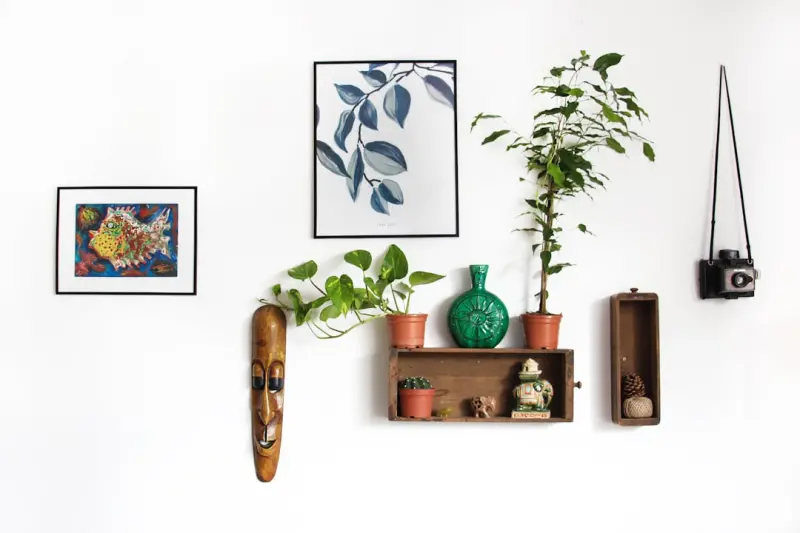
Every family has stories, and the most compelling décor elements are those that carry personal significance—a vintage postcard from a memorable trip, a handcrafted bowl from a local artisan, or a framed handwritten recipe that has been passed down for generations. Displaying these items on open shelves, gallery walls, or as centerpiece accents turns your home into a living museum of memories, inviting guests to engage with your narrative while reinforcing your own sense of belonging. By treating personal artifacts as curated artwork rather than clutter, you elevate everyday objects into meaningful design statements.
Sustainable Sourcing Meets Aesthetic Joy
Eco‑conscious choices can enhance, rather than limit, your design aspirations; sourcing reclaimed wood tables, upcycled glass vases, or organic cotton textiles adds depth and a story of renewal that resonates with many homeowners. For practical guidance on responsibly cleaning and maintaining these pieces, refer to our eco‑cleaning guide, which outlines gentle, non‑toxic methods that preserve material integrity. Additionally, the living‑green in small spaces article offers tips on maximizing style while minimizing waste, ensuring that your décor decisions support both aesthetic pleasure and planetary health.
Putting It All Together: A Step‑by‑Step Blueprint
Start by defining the emotional tone you want each room to convey, then select a dominant color and two complementary hues to build a cohesive palette; next, gather textures that echo those colors, layering them through cushions, rugs, and wall treatments. Incorporate scent strategically, matching fragrance intensity to the room’s function, and add subtle sound elements like soft music or water features to reinforce the mood. Finally, curate a rotating selection of personal artifacts and sustainably sourced pieces, using the
- capsule‑rotation method
- eco‑friendly cleaning practices
- intentional storytelling
to keep the space fresh and meaningful. By following this systematic yet flexible framework, you’ll create a home that feels like a curated sensory experience—one that nourishes the body, stimulates the mind, and reflects your unique story.

In the world of freelance writing, where creativity and adaptability are paramount, Michelle Fisher stands out as a dedicated and versatile professional. With a passion for crafting compelling narratives and a keen eye for detail, Michelle has established herself as a trusted voice.
Related Posts

When Walls Talk: Harnessing Ambient Tech for a Living Space That Listens
Discover how to blend invisible tech with timeless design, creating a home that intuitively adjusts ... Read More

Turning Forgotten Corners Into Curated Sanctuaries
Learn to turn neglected nooks into intimate, purposeful retreats by focusing on intent, lighting, te... Read More
Transforming Your Home into a Storytelling Sanctuary
Explore the art of turning your living space into a storytelling sanctuary using layered textiles, p... Read More
Top Posts

Rethinking Home Appliances: The Subscription Model That’s Changing How We Live
Explore the rise of appliance subscriptions, a service‑first approach that lowers upfront costs, extends product lifespans, and integrates predictive maintena...Read More

Scam Savvy: Decoding the Modern Tactics That Trick Even the Savvy
A deep dive into the psychology, tech tricks, and cultural cues behind today’s scams, offering practical defenses for anyone navigating the digital world....Read More

Reclaiming Calm: How Small Daily Rituals Transform Workplace Well‑Being
A practical guide to using micro‑rituals—like brief breathing exercises, hydration pauses, and micro‑movements—to improve mental health and productivity...Read More

The Storytelling Loop: Turning Every Content Piece Into a Living Asset
Learn to treat each piece of content as a living asset—using micro‑narratives, observability, and continuous iteration—to create adaptive marketing ecosys...Read More
0 Comments
Post Comment
You will need to Login or Register to comment on this post!