

The Untapped Potential of Micro‑Scale Composting in Urban Apartments
Living in a city doesn’t mean you have to abandon the ancient practice of turning food scraps into fertile soil. Micro‑scale composting leverages compact, odor‑free bins that fit under a kitchen sink or on a balcony, turning everyday waste into a powerhouse for indoor plants and rooftop gardens. By diverting even a few pounds of organic matter each week, residents can slash landfill contributions and cut greenhouse‑gas emissions associated with waste transport. The real magic lies in the community aspect—neighbors can share finished compost, creating a hyper‑local nutrient loop that feeds balcony tomatoes, herbs, and even the occasional indoor ficus.
Building a Zero‑Waste Capsule Wardrobe: Less Is More, And It’s Stylish
When I first tried to purge my closet, I discovered that a capsule wardrobe isn’t just a fashion trend; it’s an eco‑strategic move that reduces textile waste and the carbon footprint of fast‑fashion supply chains. The core idea is to curate a handful of versatile pieces—preferably made from organic cotton, Tencel, or recycled fibers—that can be mixed and matched for any occasion. By investing in quality over quantity, you extend garment lifespans, lower the frequency of purchases, and ultimately decrease the water and chemical load on the planet. To stay fresh, rotate seasonal items, swap with friends, or even repurpose old fabrics into accessories, turning the act of dressing into a mindful ritual.
Travel Light, Travel Green: Carbon‑Smart Planning for the Modern Explorer
Adventure doesn’t have to be synonymous with carbon footprints. By embracing a carbon‑smart travel mindset, you can explore new horizons while honoring the environment. Start by selecting destinations reachable by train or bus, which often emit far less CO₂ than short‑haul flights. When air travel is unavoidable, opt for airlines that invest in sustainable aviation fuel and consider purchasing carbon offsets that fund reforestation or renewable energy projects. Pack lightweight, multi‑functional gear, and use refillable water bottles to cut down on single‑use plastics. These small adjustments compound, turning a weekend getaway into a model of responsible tourism.
Neighborhood Sharing Hubs: The Future of Collective Consumption
Imagine a corner of your block where tools, appliances, and even seasonal decor are shared instead of owned. Neighborhood sharing hubs are popping up across cities, turning idle possessions into community assets. By borrowing a power drill, a high‑efficiency washer, or a set of garden tools, residents reduce the demand for new production, which in turn curtails resource extraction and manufacturing emissions. The social benefits are equally compelling: neighbors meet, exchange ideas, and build trust, fostering a resilient local economy that thrives on cooperation rather than competition.
Tech‑Enabled Carbon Tracking: Turning Data Into Daily Action
In the age of smartphones, we can transform abstract carbon numbers into tangible habits. Apps that sync with smart meters or track travel miles give you a real‑time view of your personal emissions, turning data into motivation. When you see a spike after a weekend flight, the app suggests offset options or alternative activities with a lower impact. Pair this with a home energy audit—like the one detailed in Refresh Your PC on a Budget—and you’ll discover hidden inefficiencies, from standby power draw to outdated lighting, that are easy wins for reducing your carbon tally.
DIY Upcycled Furniture: Turning Trash Into Treasure
There’s a profound satisfaction in breathing new life into discarded wood, pallets, or metal frames, and the environmental payoff is massive. By designing and building upcycled furniture, you divert waste from landfills while crafting unique pieces that reflect your personal style. Start with a sturdy pallet, sand it down, and add reclaimed drawer pulls for a rustic coffee table; or repurpose old wooden crates into modular shelving that grows with your needs. Not only do you save money, but you also reduce demand for virgin timber and the associated deforestation that fuels climate change.
Integrating Sustainable Design Principles Into Everyday Spaces
Even if you’re not an architect, applying sustainable design principles to your home can amplify your eco‑impact. Prioritize natural light, use low‑VOC paints, and incorporate indoor plants that improve air quality while adding a touch of greenery. Choose flooring made from bamboo or cork, both renewable materials with minimal processing footprints. For inspiration on marrying aesthetics with responsibility, check out Sustainable Web Design: Beauty Meets Responsibility, which showcases how thoughtful design can elevate both function and conscience.
Community‑Driven Eco‑Cleaning Swaps: Scaling Green Habits Together
Cleaning products are a hidden source of household pollution, but swapping homemade, non‑toxic solutions with neighbors can amplify the benefits. Organize a monthly eco‑cleaning swap where participants bring DIY recipes—like vinegar‑based surface cleaners or baking‑soda scrubs—to trade and test. This collective effort reduces reliance on chemical‑laden store brands, cuts packaging waste, and builds a supportive network of like‑minded residents. For a deeper dive into the chemistry behind safe home cleaning, the post Eco‑Cleaning Unlocked: From Kitchen Chemistry to Community Swaps offers a treasure trove of recipes and science.
Why Every Small Choice Adds Up: The Ripple Effect of Personal Eco‑Action
It’s easy to feel that one person’s habits are a drop in an ocean of environmental challenges, but the reality is a network of tiny ripples that become a tidal wave of change. By integrating micro‑composting, a capsule wardrobe, carbon‑smart travel, and community sharing into daily life, you set a benchmark for peers and inspire systemic shifts. The cumulative effect of reduced waste, lower emissions, and shared resources translates into measurable climate benefits—less landfill pressure, cleaner air, and a more resilient, collaborative society. Embrace the philosophy that every mindful decision, no matter how modest, is a step toward a thriving, sustainable future.

Ryan Stuart is a seasoned freelance features writer, editor, and professional photographer with a passion for exploring the world and capturing its beauty through words and images.
Related Posts

Greening the Cloud: Strategies for Lowering Server Energy Use
Learn how to lower the carbon footprint of online platforms by choosing renewable‑powered location... Read More
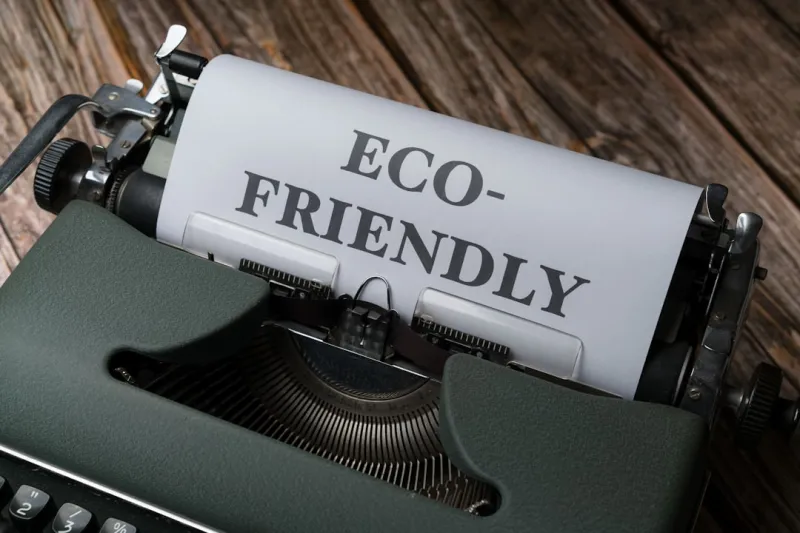
Eco-Friendly Living: A Journey Towards a Sustainable Future
Eco-friendly living is a journey towards a sustainable future. Learn how to reduce your environmenta... Read More

Quiet Revolutions: How Everyday Digital Choices Lighten Our Planet's Load
Margaret Thomson shows how SaaS companies can reduce their environmental footprint through smarter d... Read More
Top Posts

The Sound of Tomorrow: How Generative AI is Redefining Audio Branding for Media Agencies
Generative AI is reshaping audio branding, enabling media agencies to create adaptive, data‑driven sound experiences that feel uniquely personal to each liste...Read More

Fermentation at Home: Turning Scraps into Gourmet Gold
Learn to turn everyday food waste into flavorful, health‑boosting ferments, from simple starters to boutique side‑hustles, and join a thriving community of ...Read More

Edge-Optimized Mobile Apps: 5G and Edge Computing in Action
This post dives into how edge computing combined with 5G is redefining mobile app architecture, delivering real‑time experiences, bolstering privacy, and open...Read More

Family Tech Sabbaticals: Reclaiming Connection in a Screen‑Heavy World
A strategic “tech sabbatical” can transform screen‑heavy households into spaces where devices serve creativity and connection, not distraction. Discover p...Read More
0 Comments
Post Comment
You will need to Login or Register to comment on this post!