

Beyond the Screen: Greening Your Digital Workspace
When I first set up a home office in a sun‑lit attic, I imagined a sanctuary of productivity—an eco‑friendly haven where the only “waste” was a coffee cup that could be recycled. What I didn’t anticipate was how much invisible energy our daily clicks, cloud storage, and endless video calls were siphoning from the planet. The truth is, the digital realm has a carbon footprint that rivals many physical operations, and it’s time we treat it with the same intentional care we give our office plants.
In this post I’ll walk you through the hidden emissions baked into our everyday tech, share a few low‑effort tweaks that can slash that impact, and explore how a conscious approach to data can become a competitive advantage for any forward‑thinking team. Think of it as a sustainability audit for the bits and bytes that power your business.
Why Digital Carbon Matters More Than You Think
Every time you upload a file, stream a meeting, or spin up a virtual machine, data centers around the world fire up servers that consume electricity—much of it still generated from fossil fuels. According to recent research, the global ICT sector accounts for roughly 4% of total greenhouse‑gas emissions, a figure that could double by 2030 if we don’t change course. That’s not just an abstract statistic; it translates to millions of tons of CO₂, equivalent to the output of entire nations.
Beyond the energy draw, there’s a subtle but potent waste stream: digital bloat. Unnecessary emails, duplicate files, and outdated versions sit in the cloud, demanding storage space and the power to keep them accessible. The cumulative effect? A bloated carbon ledger that can be trimmed with a few mindful habits.
Audit Your Digital Footprint—Step by Step
Start with a simple audit. Grab a piece of paper or a digital note and answer these questions:
- How many cloud services does my team use daily? (e.g., file storage, project management, video conferencing)
- What is the average size of the files we share?
- Do we have a policy for archiving or deleting stale data?
- Are our video calls set to the highest resolution by default?
Jot down the answers, then flag the biggest energy hogs. For many teams, the culprit is high‑resolution video calls that run 24/7. Switching to “standard” mode can cut bandwidth usage by up to 50% without sacrificing clarity.
Choose Green‑Powered Cloud Providers
Not all cloud platforms are created equal. Some major providers have pledged to run their data centers on renewable energy, and they publish real‑time dashboards showing their carbon‑intensity. When you evaluate a new service, ask:
- What percentage of its power comes from wind, solar, or hydro?
- Does it offer carbon‑offset options for the workloads you run?
- Can you locate your workloads in regions where the grid is greener?
Choosing a provider that prioritizes sustainability can shave dozens of tons of CO₂ from your annual emissions, and it sends a powerful signal to customers and investors that you’re serious about the climate.
Smart Data Hygiene: Less is More
Every gigabyte of data stored translates into energy consumption. Implementing a disciplined data retention policy is one of the most effective ways to cut waste. Here’s a quick framework:
- Archive files older than 90 days that aren’t actively used, moving them to cold storage with lower energy demand.
- Purge duplicate files—use tools that flag redundancy and let you consolidate.
- Compress large media assets before uploading them to the cloud; a 70% reduction in file size can dramatically lower storage footprints.
These steps not only reduce energy usage but also boost team efficiency—no more hunting for the “latest” version of a document buried under a mountain of obsolete copies.
Collaborate with Intent: Meeting Fatigue Meets Eco‑Efficiency
Zoom fatigue is real, but so is “energy fatigue.” Every video call generates heat in the server farms that host the stream. To minimize impact:
- Set a default of 720p resolution unless you’re sharing high‑detail visuals.
- Encourage “audio‑only” check‑ins for quick status updates.
- Schedule “no‑meeting” blocks to give both people and servers a chance to rest.
These practices mirror the principles of a well‑designed sprint: focus, brevity, and purposeful execution. And the environmental payoff is immediate—fewer megabytes traveling across the internet means less power drawn from the grid.
Leverage Automation for Energy Savings
Automation isn’t just about speed; it can be a powerful lever for sustainability. By automating routine tasks, you can shut down idle resources automatically. For example, configure your CI/CD pipelines to spin down test environments after a set period of inactivity. This approach aligns with the ethos of no‑code automation for every team—you get efficiency without writing a single line of code, and you avoid the hidden energy cost of perpetually running servers.
Another low‑effort tactic: schedule your data backups during off‑peak hours when the grid’s demand is lower, and the same renewable energy sources can more easily meet the load. Many cloud platforms let you define backup windows, turning a routine operation into a climate‑friendly habit.
Mindful Device Usage at Home and in the Office
Even the smallest gadgets add up. A single laptop left on standby consumes roughly 5‑10 watts per hour. Multiply that across dozens of remote workers, and you have a substantial drain. Encourage a culture of “power‑down” at the end of the day—turn off monitors, unplug chargers, and switch laptops to battery mode when not in use.
For office spaces, invest in smart power strips that cut power to peripherals once the main device is turned off. Pair this with a policy that mandates closing laptops and monitors when stepping away for extended periods. It’s a simple habit that can slash office energy consumption by 15‑20%.
Carbon Offsetting: A Complement, Not a Crutch
While reducing emissions at source should be the primary goal, carbon offsets can play a supporting role, especially for unavoidable digital activities. Look for verified offset programs that fund renewable energy projects or reforestation efforts. The key is transparency—track the amount of emissions you’re offsetting and report it alongside your reduction initiatives.
Remember, offsets are a bridge, not a destination. The most compelling stories in sustainability come from organizations that first eliminate waste, then responsibly offset the remainder.
Turn Sustainability into a Competitive Edge
Clients are increasingly scrutinizing the environmental stewardship of their vendors. By publicizing your digital greening strategy, you can differentiate your brand in a crowded market. Include sustainability metrics in your proposals, and showcase how your carbon‑smart processes translate into cost savings for the customer.
Moreover, an eco‑focused mindset fosters innovation. Teams that ask “how can we do this more efficiently?” often discover new workflows, better collaboration tools, and smarter data architectures—benefits that ripple far beyond the carbon ledger.
Conclusion: Small Steps, Big Impact
Greening your digital workspace isn’t about a sweeping overhaul; it’s about weaving sustainability into the fabric of everyday tech habits. From choosing renewable‑powered cloud providers to instituting data hygiene rituals, each action compounds to create a measurable reduction in carbon emissions. As we continue to rely on technology to power our businesses, let’s remember that the most powerful tool we have is intention—directed at both our bottom line and the planet we share.
Ready to start? Take the audit, pick one tweak, and watch the ripple effect grow. Your team, your clients, and the environment will thank you.

Jessica Gills is a freelance writer carving a niche for herself by empowering others through her words. With a focus on careers, self-development, and business, she helps readers navigate the complexities of the modern professional landscape.
Related Posts

Eco Chic: Transform Your Closet Into a Sustainable Powerhouse
Learn practical steps to turn your wardrobe eco‑friendly—upcycle, choose sustainable fabrics, an... Read More

Turning Data Centers Green: A SaaS Guide
A practical guide for SaaS teams on reducing data‑center carbon footprints through efficient code,... Read More
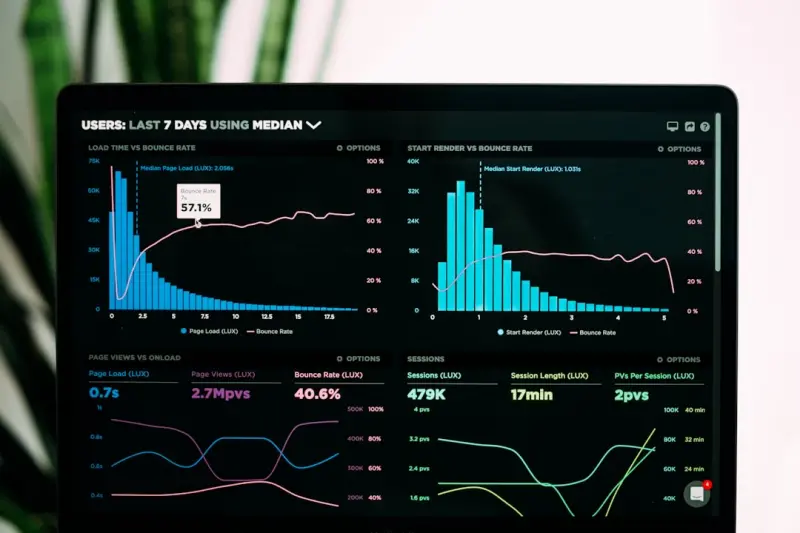
The Hidden Carbon Cost of Data: How to Shrink Your Digital Footprint
Discover how data storage, processing, and streaming inflate carbon emissions, and learn practical, ... Read More
Top Posts

Turning Your Blog into a Living Lab: Experiment, Iterate, Grow
Learn to transform your blog into a living lab—use minimalist workflows, real‑world data, and community loops to experiment, iterate, and create sustainable...Read More

Designing a Portfolio Career: How to Blend Passion, Paycheck, and Purpose
A portfolio career replaces the outdated single‑track ladder with a curated collection of roles, projects, and passions, offering resilience, satisfaction, an...Read More

Decoding the Silent Language of Your Garden: A Gardener’s Guide to Plant Communication
Learn how to interpret the subtle signals plants send—from leaf changes to soil cues—and turn those insights into a thriving, resilient garden....Read More

Voice‑First Tools: How Conversational Interfaces Supercharge Everyday Productivity
Explore the rise of voice‑first tools, from smart speakers to custom macros, and learn a practical checklist to integrate conversational interfaces into your ...Read More
0 Comments
Post Comment
You will need to Login or Register to comment on this post!